

Intermittent fasting has become one of the most discussed nutritional strategies in modern health research. Unlike traditional diets that focus heavily on calorie counting or eliminating specific food groups, intermittent fasting centers on structured eating windows. For beginners, understanding how to practice it safely is essential. Health authorities such as the World Health Organization emphasize that any eating pattern should prioritize balanced nutrition and long-term sustainability rather than extreme restriction. When approached responsibly, intermittent fasting can be integrated into a healthy lifestyle without compromising safety.
This comprehensive guide explores the science behind intermittent fasting, explains how to begin safely, outlines potential benefits and risks, and provides practical guidance grounded in credible medical research.
What Is Intermittent Fasting?
Intermittent fasting (IF) is an eating pattern that alternates between periods of eating and voluntary fasting. According to Harvard Health Publishing, intermittent fasting is not a specific diet but a timing strategy that influences metabolism and hormone regulation. The focus is on when food is consumed rather than strictly on what is consumed, though food quality remains crucial.
Common methods include:
- 12:12 method (12 hours fasting, 12 hours eating)
- 14:10 method (14 hours fasting, 10 hours eating)
- 16:8 method (16 hours fasting, 8 hours eating)
- 5:2 method (normal eating five days, reduced calorie intake two days per week)
- Alternate-day fasting
For beginners, shorter fasting periods such as 12:12 or 14:10 provide a safer starting point while allowing the body to gradually adapt.
How Intermittent Fasting Works in the Body
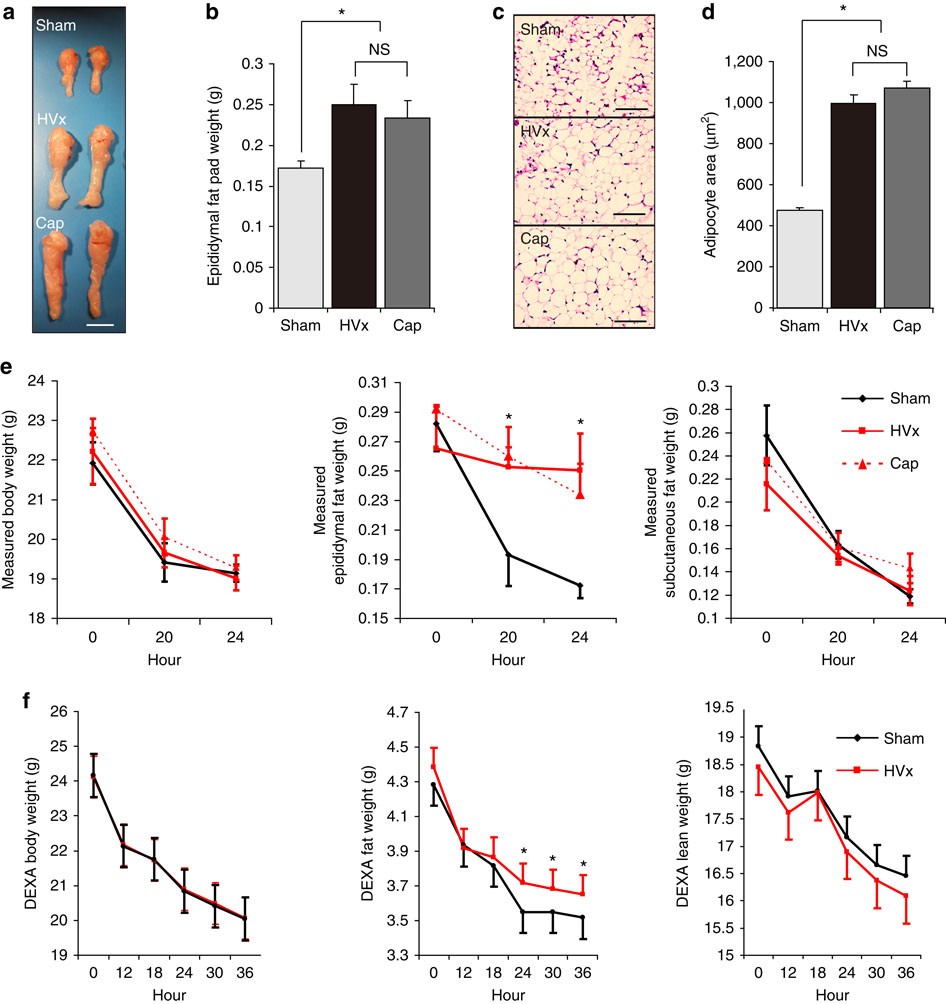
During eating periods, the body uses glucose from carbohydrates as its primary energy source. Insulin levels rise to help store excess glucose. When fasting begins and glucose availability decreases, insulin levels drop. The body then shifts toward burning stored fat for energy. Research highlighted by the National Institutes of Health explains this transition as a “metabolic switch,” where the body transitions from glucose utilization to fat oxidation.
Over time, this metabolic flexibility may improve insulin sensitivity and energy regulation. The Mayo Clinic notes that these changes can contribute to weight loss and improved metabolic markers, although results vary among individuals depending on overall diet and lifestyle.
Evidence-Based Benefits of Intermittent Fasting
Several large health organizations have evaluated intermittent fasting. According to Johns Hopkins Medicine, controlled fasting schedules may offer the following potential benefits:
- Improved blood sugar control
- Enhanced insulin sensitivity
- Reduced body fat
- Possible cardiovascular benefits
- Simplified meal structure
Harvard T.H. Chan School of Public Health also explains that many benefits arise not just from fasting itself but from reduced calorie intake and improved food quality during eating windows. This reinforces the importance of focusing on nutrient-dense meals rather than compensating with processed foods.
Is Intermittent Fasting Safe?
Safety depends on personal health status. The Academy of Nutrition and Dietetics advises that intermittent fasting can be safe for many healthy adults but is not appropriate for everyone. Individuals who should avoid or consult a healthcare professional before starting include:
- Pregnant or breastfeeding individuals
- People with type 1 diabetes
- Individuals with a history of eating disorders
- Underweight individuals
- Adolescents
- People with chronic medical conditions requiring strict meal timing
The Centers for Disease Control and Prevention emphasizes that sustainable weight management strategies must protect overall health rather than promote rapid or extreme changes.
Choosing the Right Fasting Method
Intermittent Fasting Methods Comparison Table
| Method | Fasting Duration | Ease for Beginners | Primary Goal | Risk Level |
|---|---|---|---|---|
| 12:12 | 12 hours | Very Easy | Habit building | Very Low |
| 14:10 | 14 hours | Easy | Gradual fat adaptation | Low |
| 16:8 | 16 hours | Moderate | Weight management | Moderate |
| 5:2 | 2 low-calorie days | Moderate | Structured calorie control | Moderate |
| Alternate-Day | 24-hour fast | Difficult | Advanced metabolic reset | Higher |
Beginners are strongly encouraged to start with 12:12 or 14:10 before progressing.
How to Start Intermittent Fasting Safely
1. Build a Balanced Plate
The World Health Organization recommends meals that include:
- Lean protein sources
- Whole grains
- Healthy fats
- High-fiber vegetables
- Limited added sugars
Nutritional quality during eating windows determines whether intermittent fasting supports or harms health.
2. Hydrate Consistently
Water intake is critical. Black coffee and unsweetened tea are generally permitted during fasting windows. Dehydration often causes headaches mistakenly attributed to hunger.
3. Avoid Overeating
Overcompensating during eating windows can eliminate potential benefits. The Mayo Clinic stresses portion awareness and mindful eating.
4. Prioritize Sleep
Sleep deprivation affects hunger hormones such as ghrelin and leptin, increasing cravings and making fasting more difficult.
5. Monitor Physical Response
Mild hunger during adaptation is normal. However, persistent dizziness, weakness, fainting, or confusion require medical attention.
Common Beginner Mistakes
- Skipping balanced nutrition
- Jumping directly into long fasting periods
- Exercising intensely without fuel
- Ignoring hydration
- Treating fasting as a quick-fix solution
Johns Hopkins Medicine highlights that intermittent fasting works best when combined with a generally healthy lifestyle that includes movement, sleep, and stress management.
Managing Hunger During Fasting
Hunger often comes in waves and is influenced by routine and hormones rather than true energy deficiency. Strategies include:
- Drinking water
- Staying mentally active
- Including sufficient protein at meals
- Increasing fiber intake
Research referenced by Harvard Health Publishing explains that hunger hormones adjust over time, making fasting easier after initial adaptation.
Exercise While Intermittent Fasting
Moderate exercise such as walking, cycling, or resistance training can be safe. Beginners may prefer scheduling workouts during eating windows. The CDC supports regular physical activity as part of overall health maintenance regardless of dietary pattern.
Long-Term Sustainability
Intermittent fasting should remain flexible. Social events, travel, and schedule disruptions are normal parts of life. Sustainability comes from consistency over months rather than strict daily perfection.
The National Institute on Aging notes that while fasting shows promise in certain research areas, long-term human studies are still ongoing. Therefore, moderate approaches grounded in balanced nutrition are recommended over extreme protocols.
Frequently Asked Questions
Does intermittent fasting slow metabolism?
Short-term fasting does not appear to significantly reduce resting metabolic rate. Severe long-term calorie restriction poses greater risk.
Can beginners drink coffee while fasting?
Yes, plain black coffee without added sugar or cream is typically acceptable.
How long before results appear?
Weight changes may occur within several weeks. Improvements in insulin sensitivity may appear earlier depending on lifestyle factors.
Can intermittent fasting cause muscle loss?
Adequate protein intake and resistance training help preserve muscle mass during weight loss.
Is intermittent fasting better than traditional dieting?
Both approaches can be effective. The best method is the one that promotes balanced nutrition and long-term adherence.
Final Thoughts
Intermittent fasting can be a structured, practical approach to improving metabolic health when implemented responsibly. Beginning with shorter fasting windows, focusing on nutrient-dense meals, maintaining hydration, and consulting healthcare professionals when needed all contribute to safety.
Rather than viewing intermittent fasting as an extreme diet, it is more accurate to understand it as a flexible timing strategy that supports healthier eating habits. Sustainable health improvements develop gradually through consistency, balance, and informed decision-making.
