
Detecting early signs of metabolic syndrome naturally could be the difference between a vibrant, energetic life and a future shadowed by chronic illness. This silent cluster of conditions—high blood pressure, elevated blood sugar, excess abdominal fat, and abnormal cholesterol—often creeps in unnoticed, quietly setting the stage for heart disease, diabetes, and stroke. The good news? Your body sends subtle signals long before a doctor’s diagnosis, and learning to read them empowers you to take control. Instead of waiting for lab results or symptoms to scream for attention, you can tune into your body’s whispers through simple, natural observations. From the way your clothes fit to how you feel after a meal, these early warnings are your body’s way of asking for help. This guide will show you how to spot them before they escalate, using nothing more than awareness, intuition, and a few practical tools.
What Is Metabolic Syndrome? A 40-Word Definition
Metabolic syndrome is a group of five risk factors—abdominal obesity, high blood pressure, elevated blood sugar, high triglycerides, and low HDL cholesterol—that double your risk of heart disease and quintuple your risk of type 2 diabetes. It’s not a single disease but a cluster of conditions that, when combined, create a perfect storm for chronic illness.
While doctors diagnose it through lab tests, the early signs often appear in everyday life. Catching these red flags early means you can reverse course before the syndrome takes hold. Think of it as your body’s early warning system—one that doesn’t require a prescription or a doctor’s visit to interpret.
Listen to Your Body’s Subtle Signals
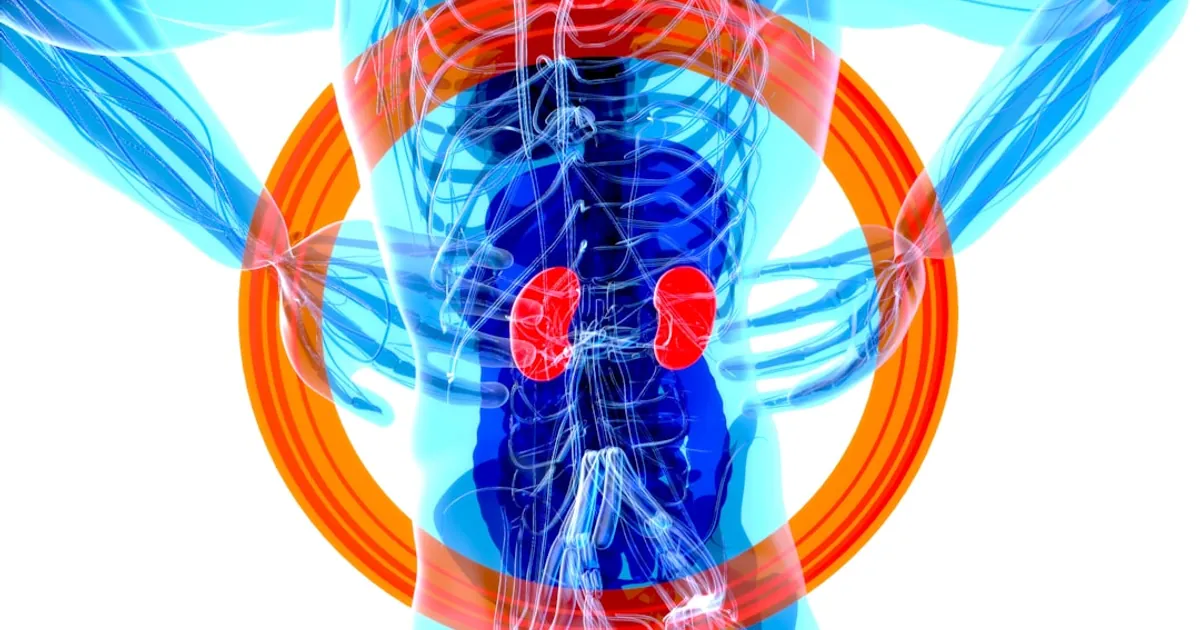
Your body communicates in ways that go beyond obvious symptoms like fatigue or weight gain. For example, do you notice your energy crashing mid-afternoon, even after a full night’s sleep? That’s not just “getting older”—it could be insulin resistance, a hallmark of metabolic syndrome. Or perhaps you’ve developed a stubborn “muffin top” that won’t budge, no matter how much you diet. That’s visceral fat, the dangerous kind that wraps around your organs and fuels inflammation.
Other subtle signs include frequent thirst, even when you’re not dehydrated, or waking up multiple times a night to urinate. These aren’t just annoyances; they’re your body’s way of telling you blood sugar levels are creeping up. Pay attention to how your skin feels, too. Dark patches on your neck or armpits, known as acanthosis nigricans, are a visual clue that insulin isn’t working as it should. These signs don’t scream for attention, but they’re there if you know where to look.
How to Track Energy Fluctuations
Keep a simple journal for a week, noting when you feel sluggish or unusually hungry. Do you crash after meals, especially those high in carbs? That’s a classic sign of blood sugar spikes and crashes. Compare your energy levels to what you ate—you might notice a pattern. For instance, if a bowl of pasta leaves you dozing at your desk, your body could be struggling to process glucose efficiently. This isn’t normal, even if it’s common.
Why Your Waistline Tells a Story
Measure your waist at the narrowest point, just above your belly button. For women, a measurement over 35 inches (88 cm) is a red flag; for men, it’s 40 inches (102 cm). But don’t just rely on the number—notice how your clothes fit. If your pants feel tighter around the waist but not the hips, that’s visceral fat accumulating, a key player in metabolic syndrome. Unlike subcutaneous fat (the kind you can pinch), visceral fat is metabolically active, releasing hormones and inflammatory chemicals that disrupt your body’s balance.
Monitor Your Blood Pressure at Home
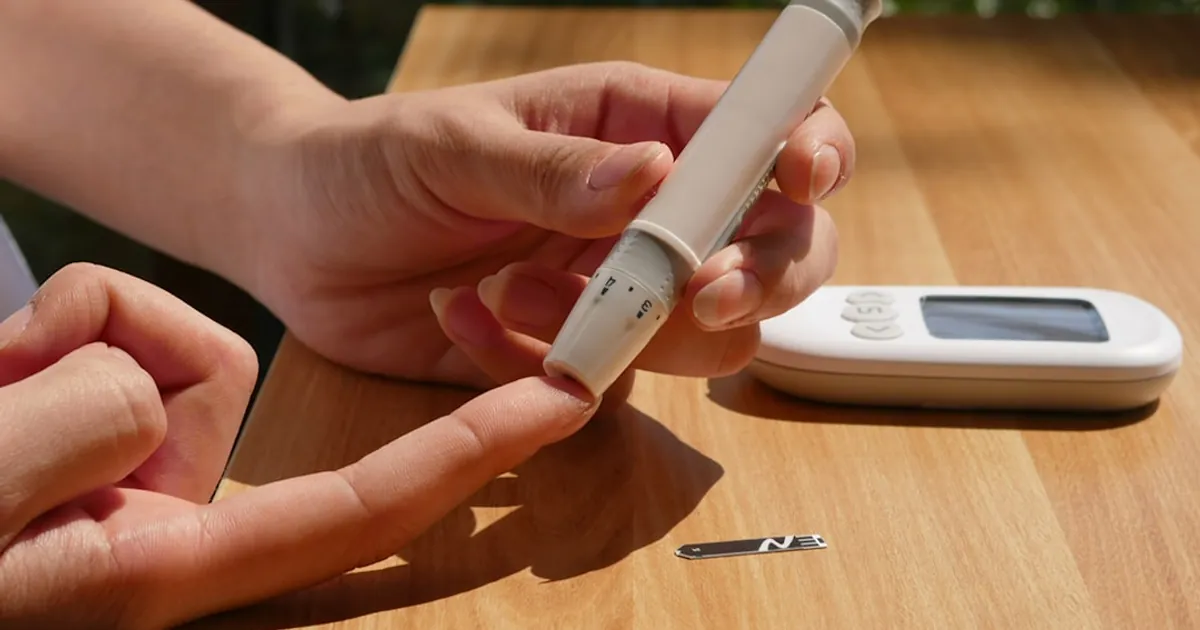
High blood pressure, or hypertension, is often called the “silent killer” because it rarely causes symptoms until it’s dangerously high. But you don’t need to wait for a doctor’s visit to check yours. Invest in a reliable home blood pressure monitor—it’s one of the best tools for early detection. Take readings at the same time each day, ideally in the morning before caffeine or exercise. A reading consistently above 130/85 mmHg is a warning sign, even if you feel fine.
Pay attention to how you feel, too. Do you get headaches after a salty meal? Does your vision blur when you stand up too quickly? These could be signs of blood pressure fluctuations. Stress, lack of sleep, and even dehydration can temporarily raise your numbers, but if they stay elevated, it’s time to dig deeper. Lifestyle changes like reducing sodium, increasing potassium-rich foods (think bananas and spinach), and practicing deep breathing can help bring numbers down naturally.
Choosing the Right Blood Pressure Monitor
Not all monitors are created equal. Look for one validated by the British and Irish Hypertension Society or the American Heart Association. Wrist monitors are convenient but less accurate than upper-arm models. Avoid cheap, no-name brands—accuracy matters when your health is on the line. Once you have a monitor, take multiple readings a few minutes apart to ensure consistency.
Natural Ways to Lower Blood Pressure
If your numbers are creeping up, don’t panic—small changes can make a big difference. Start with your diet: swap processed snacks for whole foods like nuts, berries, and leafy greens. The DASH (Dietary Approaches to Stop Hypertension) diet is a great blueprint, emphasizing fruits, vegetables, lean proteins, and whole grains while cutting back on salt and sugar. Exercise is another powerful tool. Even a 30-minute walk most days can lower blood pressure by 4–9 mmHg. And don’t underestimate the power of stress management—meditation, yoga, or even deep breathing exercises can help keep your numbers in check.
Decode Your Hunger and Cravings

Do you find yourself ravenous an hour after eating, even if you had a full meal? Or do you crave sweets or carbs uncontrollably, especially in the afternoon? These aren’t just bad habits—they’re signs your body is struggling with insulin resistance. When cells stop responding to insulin, your blood sugar spikes and crashes, leaving you hungry and irritable. Over time, this cycle can lead to weight gain, especially around the abdomen, and set the stage for metabolic syndrome.
Pay attention to what you crave, too. A sudden urge for sugar or refined carbs (think white bread, pasta, or pastries) is your body’s way of asking for quick energy, but it’s a short-term fix that backfires. Instead of giving in, try eating more protein, fiber, and healthy fats at meals. These nutrients slow digestion, stabilize blood sugar, and keep you full longer. For example, swap your morning toast for eggs and avocado, or snack on nuts instead of crackers. These small tweaks can break the cycle of cravings and help your body regain balance.
How to Identify Insulin Resistance at Home
One simple way to check for insulin resistance is the “hanger test.” After eating a meal high in carbs (like a sandwich or pasta), note how you feel 1–2 hours later. If you’re irritable, shaky, or exhausted, your blood sugar likely spiked and crashed—a classic sign of insulin resistance. Another clue is frequent urination, especially at night. When blood sugar is high, your kidneys work overtime to flush out the excess, leading to more trips to the bathroom.
Foods That Stabilize Blood Sugar
Not all carbs are created equal. Focus on complex carbs like sweet potatoes, quinoa, and lentils, which digest slowly and prevent blood sugar spikes. Pair them with protein and healthy fats—think grilled chicken with roasted veggies or Greek yogurt with chia seeds—to further slow digestion. Cinnamon, vinegar, and berries are natural blood sugar regulators, too. Add a dash of cinnamon to your coffee or oatmeal, or drizzle apple cider vinegar on your salad. These small additions can make a big difference in how your body processes glucose.
Check Your Cholesterol Without a Lab

High cholesterol doesn’t come with warning lights, but it’s a key player in metabolic syndrome. While you can’t measure your exact levels at home, you can look for physical signs that something’s off. For example, yellowish bumps on your skin, called xanthomas, are deposits of cholesterol and a clear sign your levels are too high. They often appear on the elbows, knees, or eyelids. Another clue is a white or gray ring around the cornea of your eye, known as arcus senilis. It’s more common in older adults but can appear earlier if cholesterol is elevated.
Your diet and lifestyle offer clues, too. If you eat a lot of fried foods, processed meats, or baked goods, your cholesterol is likely creeping up. On the flip side, if you’re eating plenty of fiber, healthy fats, and plant-based foods but still struggling with weight or energy, it’s worth investigating further. Even if you feel fine, high cholesterol can silently damage your arteries, setting the stage for heart disease. The good news? It’s one of the easiest risk factors to reverse with natural strategies.
Natural Ways to Improve Your Lipid Profile
Start by swapping saturated fats (found in red meat and full-fat dairy) for unsaturated fats like olive oil, avocados, and fatty fish. Soluble fiber, found in oats, beans, and flaxseeds, binds to cholesterol in your gut and helps remove it from your body. Aim for at least 25–30 grams of fiber per day. Exercise is another powerful tool—it raises HDL (“good” cholesterol) while lowering LDL (“bad” cholesterol) and triglycerides. Even moderate activity, like brisk walking or cycling, can make a difference.
Herbs and Supplements That Support Heart Health
Certain herbs and supplements can help lower cholesterol naturally. Garlic, for example, has been shown to reduce LDL cholesterol by up to 10%. Psyllium husk, a type of soluble fiber, can lower LDL by 5–10% when taken daily. Green tea is another powerhouse—its antioxidants, called catechins, help reduce LDL and improve HDL. If you’re considering supplements, talk to your doctor first, especially if you’re on medication. Some, like red yeast rice, can interact with statins and other drugs.
Assess Your Sleep Quality
Poor sleep isn’t just a nuisance—it’s a major risk factor for metabolic syndrome. When you don’t get enough rest, your body produces more cortisol, a stress hormone that increases blood sugar and promotes fat storage, especially around the abdomen. Sleep deprivation also disrupts the hormones that regulate hunger, making you crave high-calorie, high-carb foods the next day. Over time, this cycle can lead to weight gain, insulin resistance, and high blood pressure.
But it’s not just about quantity—quality matters, too. Do you wake up feeling refreshed, or do you drag yourself out of bed? Do you toss and turn, or wake up multiple times a night? These are signs your sleep isn’t restorative. Even if you’re in bed for 8 hours, poor sleep can leave you feeling exhausted and set the stage for metabolic issues. The good news? Small changes can make a big difference. Start by keeping a consistent sleep schedule, even on weekends. Avoid screens an hour before bed, and create a relaxing routine—think reading, stretching, or meditation—to signal to your body that it’s time to wind down.
How to Track Sleep Without a Gadget
You don’t need a fancy sleep tracker to assess your rest. Keep a simple sleep diary for a week, noting when you went to bed, when you woke up, and how you felt in the morning. Rate your sleep quality on a scale of 1–10, and note any disruptions (like waking up to use the bathroom or feeling too hot). You might notice patterns, like poor sleep after late-night snacking or better rest on days you exercised. These insights can help you pinpoint what’s disrupting your sleep and make targeted changes.
Natural Remedies for Better Sleep

If you struggle with sleep, start with your environment. Keep your bedroom cool, dark, and quiet—blackout curtains and a white noise machine can help. Avoid caffeine after noon, and limit alcohol, which disrupts sleep cycles. Magnesium-rich foods like spinach, pumpkin seeds, and almonds can promote relaxation, as can herbal teas like chamomile or valerian root. If stress is keeping you up, try journaling before bed to clear your mind. Write down your worries, then set them aside—literally. The act of putting them on paper can help you let go and drift off more easily.
Key Takeaways
- Metabolic syndrome is a cluster of conditions—abdominal obesity, high blood pressure, elevated blood sugar, high triglycerides, and low HDL cholesterol—that increase your risk of heart disease and diabetes.
- Early signs include energy crashes, stubborn belly fat, frequent thirst, and dark patches on the skin (acanthosis nigricans).
- Monitor blood pressure at home with a validated upper-arm monitor, and aim for readings below 130/85 mmHg.
- Insulin resistance often shows up as intense cravings, especially for sugar and refined carbs, or “hanger” after meals.
- High cholesterol may cause physical signs like xanthomas (yellow bumps on the skin) or arcus senilis (a ring around the cornea).
- Poor sleep disrupts hormones, increasing cortisol and hunger hormones, which can lead to weight gain and metabolic issues.
- Natural strategies like diet, exercise, stress management, and sleep hygiene can reverse early signs before they escalate.
“Metabolic syndrome isn’t a life sentence—it’s a wake-up call. The body is incredibly resilient, and small, consistent changes can reverse even advanced risk factors. The key is catching it early, before symptoms become chronic. Think of it like a garden: if you pull the weeds when they’re small, you’ll never have to deal with an overgrown mess. The same goes for your health.”
—Dr. Sarah Hallberg, Medical Director at Virta Health
Frequently Asked Questions
Can metabolic syndrome be reversed naturally?
Absolutely. Research shows that lifestyle changes—like a low-carb or Mediterranean diet, regular exercise, and stress management—can reverse metabolic syndrome in as little as 10 weeks. The key is consistency. Focus on whole foods, prioritize sleep, and move your body daily. Even small changes, like swapping soda for water or taking a 10-minute walk after meals, can make a big difference over time.
What’s the first sign of metabolic syndrome?
The earliest sign is often abdominal obesity, especially if your waist measurement exceeds 35 inches (women) or 40 inches (men). But other subtle clues include frequent thirst, fatigue after meals, or cravings for sugar and carbs. These signs appear long before lab tests show abnormalities, so paying attention to them gives you a head start on prevention.
How often should I check my blood pressure at home?
If your numbers are normal, check once a month to establish a baseline. If you’re at risk or have elevated readings, check daily for a week to identify patterns, then weekly. Always take readings at the same time of day, ideally in the morning before caffeine or exercise. Record your numbers in a journal or app to track trends over time.
Are there any foods that worsen metabolic syndrome?
Yes. Processed foods, sugary drinks, refined carbs (like white bread and pasta), and trans fats (found in fried and baked goods) worsen insulin resistance and inflammation. These foods spike blood sugar, increase triglycerides, and promote fat storage around the abdomen. Focus on whole, unprocessed foods like vegetables, lean proteins, healthy fats, and complex carbs to support metabolic health.
Can stress cause metabolic syndrome?
Chronic stress is a major contributor. When you’re stressed, your body releases cortisol, which increases blood sugar, promotes fat storage (especially around the abdomen), and disrupts sleep. Over time, this can lead to insulin resistance, high blood pressure, and weight gain. Managing stress through mindfulness, exercise, and adequate sleep is just as important as diet and exercise for preventing metabolic syndrome.
What’s the best exercise for metabolic syndrome?
Any movement helps, but a combination of cardio and strength training is ideal. Aim for 150 minutes of moderate exercise (like brisk walking or cycling) per week, plus 2–3 strength training sessions. High-intensity interval training (HIIT) is especially effective for improving insulin sensitivity and burning visceral fat. Even short bursts of activity, like a 10-minute walk after meals, can make a difference.
How does sleep affect metabolic syndrome?
Poor sleep disrupts the hormones that regulate hunger, blood sugar, and fat storage. When you don’t get enough rest, your body produces more ghrelin (the “hunger hormone”) and less leptin (the “fullness hormone”), leading to overeating. Sleep deprivation also increases cortisol, which promotes fat storage around the abdomen. Aim for 7–9 hours of quality sleep per night to support metabolic health.
Detecting early signs of metabolic syndrome naturally isn’t about fear—it’s about empowerment. Your body is constantly sending you signals, and learning to interpret them gives you the power to make changes before small issues become big problems. Start with one habit: measure your waist, track your energy, or check your blood pressure. Small steps lead to big results, and the best time to act is now. Your future self will thank you.

