
Managing mild hypertension without medication might sound like a daunting task, but with the right daily routine, it’s entirely achievable. High blood pressure, even in its early stages, can quietly damage your heart, kidneys, and blood vessels if left unchecked. The good news? Small, consistent lifestyle changes can significantly lower your numbers and reduce your risk of complications. Instead of relying solely on prescriptions, adopting a holistic approach that combines nutrition, movement, stress management, and sleep can transform your health from the inside out. This isn’t about quick fixes or extreme measures—it’s about building sustainable habits that support your body’s natural ability to regulate blood pressure. Whether you’ve just been diagnosed or want to prevent hypertension altogether, this guide will walk you through a practical, science-backed daily routine that puts you in control.
What Is Mild Hypertension and Why It Matters
Mild hypertension, often called stage 1 hypertension, is defined as having a systolic blood pressure (the top number) between 130–139 mmHg or a diastolic pressure (the bottom number) between 80–89 mmHg. While it may not cause immediate symptoms, it’s a warning sign that your cardiovascular system is under strain. Over time, this can lead to hardened arteries, increased risk of heart disease, stroke, and even cognitive decline. The silver lining? This stage is highly responsive to lifestyle interventions. Unlike severe hypertension, which often requires medication, mild cases can frequently be managed—or even reversed—through diet, exercise, and stress reduction. Think of it as your body’s way of nudging you to make healthier choices before more serious issues arise.
Understanding the root causes of mild hypertension is key to addressing it effectively. Factors like chronic stress, poor sleep, excessive sodium intake, and sedentary habits all play a role. Genetics can also contribute, but they don’t have to dictate your fate. Research shows that even modest improvements in lifestyle can lower blood pressure by 5–10 mmHg, which is enough to move you out of the hypertensive range. The goal isn’t perfection—it’s progress. By focusing on small, daily actions, you can create a ripple effect that improves not just your blood pressure, but your overall well-being.
How Blood Pressure Works in Your Body
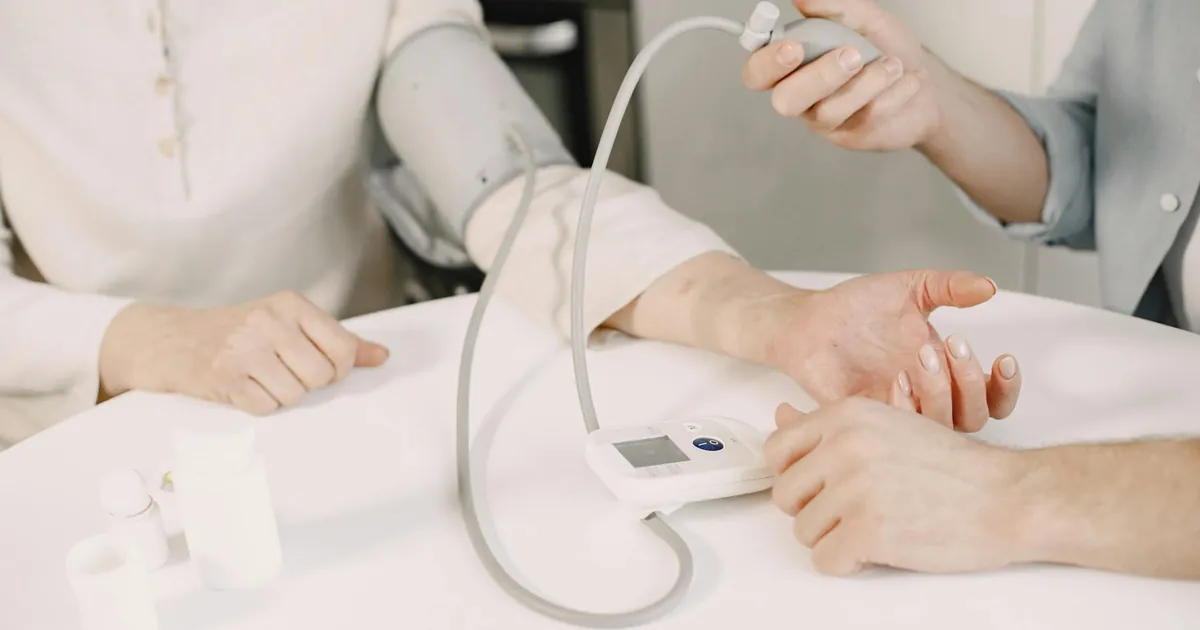
Blood pressure is the force of blood pushing against the walls of your arteries as your heart pumps. When this pressure is consistently too high, it damages the delicate lining of your blood vessels, making them less flexible and more prone to plaque buildup. This process, called atherosclerosis, narrows the arteries and forces your heart to work harder, creating a vicious cycle. Your kidneys also play a role by regulating fluid and sodium levels, which directly impact blood volume and pressure. When these systems are out of balance, hypertension can develop. The good news is that your body is remarkably adaptable. By supporting these natural processes with the right habits, you can help restore equilibrium.
When to Seek Medical Advice
While lifestyle changes are powerful, they’re not a substitute for professional care if your blood pressure remains elevated. If your readings consistently stay above 130/80 mmHg despite your efforts, or if you experience symptoms like headaches, dizziness, or chest pain, it’s time to consult a doctor. They may recommend monitoring your blood pressure at home or running tests to rule out underlying conditions like kidney disease or sleep apnea. Remember, mild hypertension is a manageable condition, but ignoring it can lead to more serious health issues down the road. Regular check-ups, like those outlined in this preventive health guide, can help you stay on top of your numbers and catch any changes early.
Morning Rituals to Start Your Day Right
How you begin your day sets the tone for your blood pressure. A mindful morning routine can help reduce stress hormones like cortisol, which are known to elevate blood pressure. Start by waking up at the same time each day to regulate your circadian rhythm—a key factor in maintaining healthy blood pressure. Instead of reaching for your phone first thing, try a few minutes of deep breathing or gentle stretching. This simple act can lower your stress response and prepare your body for the day ahead. Hydration is another critical component. Drinking a glass of water upon waking helps flush out excess sodium and supports kidney function, both of which are essential for blood pressure regulation.
Breakfast is your first opportunity to fuel your body with hypertension-friendly nutrients. Opt for foods rich in potassium, magnesium, and fiber, such as oatmeal topped with berries and nuts, or a smoothie with spinach, banana, and flaxseeds. These nutrients help relax blood vessels and improve circulation. Avoid processed foods and excessive caffeine, which can cause spikes in blood pressure. If you’re a coffee lover, consider switching to green tea, which contains L-theanine—a compound that promotes relaxation without the jitters. Pair your meal with a short walk or light yoga session to get your blood flowing and reduce stiffness from sleep.
Hydration and Its Impact on Blood Pressure
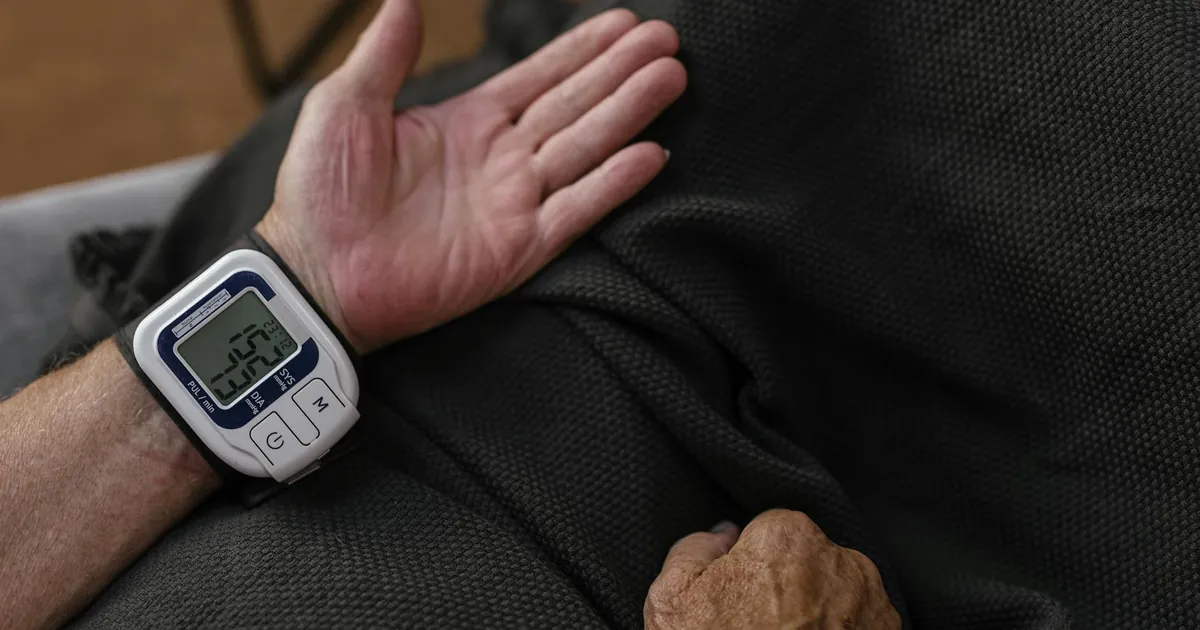
Water is often overlooked in blood pressure management, but it plays a crucial role. Dehydration causes your blood vessels to constrict, increasing pressure. Aim to drink at least 8–10 glasses of water throughout the day, with an extra glass in the morning to kickstart your metabolism. Herbal teas, like hibiscus or chamomile, can also support hydration while providing additional benefits. Hibiscus tea, in particular, has been shown to lower blood pressure thanks to its natural diuretic properties. Avoid sugary drinks and excessive alcohol, as they can dehydrate you and worsen hypertension.
Mindful Movement to Lower Stress
Stress is a major contributor to high blood pressure, and morning is the perfect time to counteract it. Incorporate mindful movement into your routine, such as tai chi, yoga, or even a brisk walk in nature. These activities lower cortisol levels and promote relaxation. If you’re short on time, try a 5-minute breathing exercise: inhale deeply for 4 seconds, hold for 4 seconds, and exhale for 6 seconds. This technique, known as box breathing, has been shown to reduce blood pressure by activating the parasympathetic nervous system. The key is consistency—even a few minutes of mindfulness each morning can make a significant difference over time.
The Power of a Blood Pressure-Friendly Diet
What you eat has a direct impact on your blood pressure. The DASH (Dietary Approaches to Stop Hypertension) diet is one of the most effective eating plans for managing hypertension. It emphasizes whole foods like fruits, vegetables, whole grains, lean proteins, and low-fat dairy while limiting sodium, saturated fats, and added sugars. The beauty of the DASH diet is that it’s not restrictive—it’s about making smarter choices. For example, swapping processed snacks for nuts and seeds, or choosing grilled chicken over fried. These small changes add up to big results.
One of the most important nutrients for blood pressure is potassium, which helps balance sodium levels in your body. Foods like bananas, sweet potatoes, spinach, and avocados are excellent sources. Magnesium is another key player, as it helps relax blood vessels. Incorporate foods like dark leafy greens, nuts, and whole grains into your meals. Omega-3 fatty acids, found in fatty fish like salmon and mackerel, also reduce inflammation and improve heart health. If you’re not a fan of fish, flaxseeds and chia seeds are great plant-based alternatives. The goal is to create a diet that’s rich in nutrients and low in processed foods, which can cause inflammation and raise blood pressure.
Foods to Avoid for Better Blood Pressure
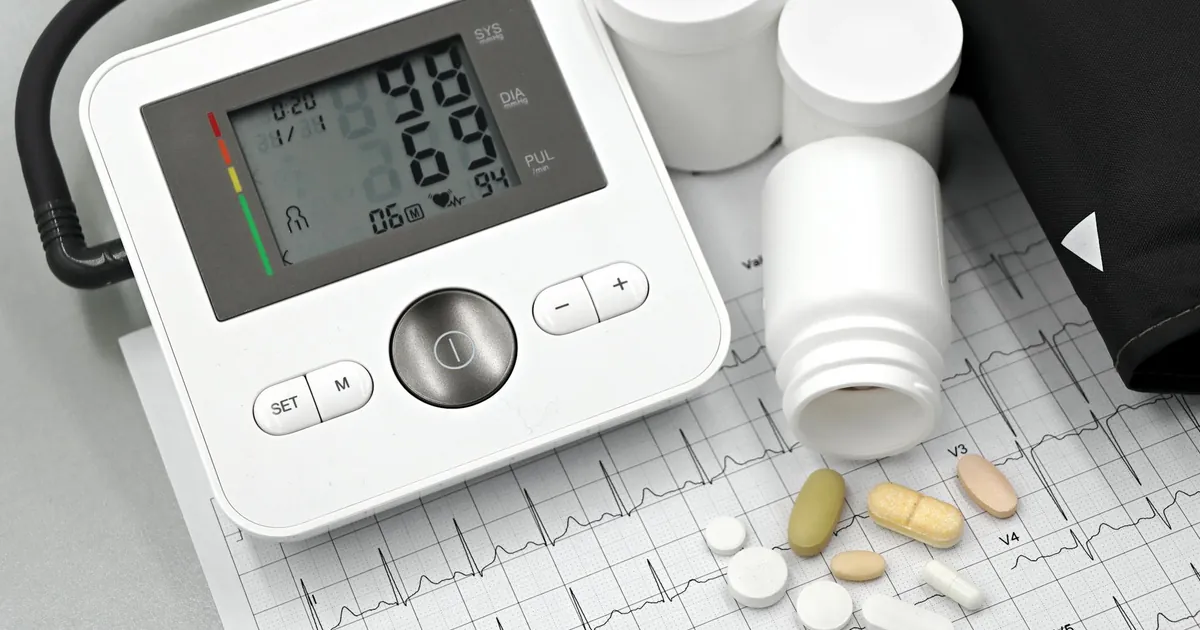
While some foods help lower blood pressure, others can make it worse. Processed foods, like deli meats, canned soups, and frozen meals, are often loaded with sodium, which causes your body to retain water and increases blood pressure. Sugary foods and beverages, such as soda and candy, can lead to weight gain and insulin resistance, both of which contribute to hypertension. Trans fats, found in fried foods and baked goods, increase inflammation and damage blood vessels. Even seemingly healthy foods like bread and cereal can be problematic if they contain added sugars or refined grains. The key is to read labels and choose whole, unprocessed foods whenever possible.
Meal Timing and Portion Control
When and how much you eat can also affect your blood pressure. Large meals, especially those high in carbohydrates, can cause a temporary spike in blood pressure. Instead, opt for smaller, more frequent meals throughout the day to keep your energy levels stable. Eating dinner at least 2–3 hours before bedtime can also help, as digestion can interfere with sleep quality, which is crucial for blood pressure regulation. Portion control is equally important. Overeating can lead to weight gain, which puts extra strain on your heart. Use smaller plates, measure servings, and listen to your body’s hunger cues to avoid overeating.
Exercise Strategies for Natural Blood Pressure Control
Exercise is one of the most effective ways to lower blood pressure naturally. It strengthens your heart, improves circulation, and helps your body use oxygen more efficiently. The best part? You don’t need to run a marathon to see results. Even moderate activities like walking, swimming, or cycling can make a significant difference. The American Heart Association recommends at least 150 minutes of moderate-intensity exercise per week, or about 30 minutes a day, five days a week. If you’re new to exercise, start slow and gradually increase the intensity. Consistency is more important than intensity—find an activity you enjoy and stick with it.
Aerobic exercise, like brisk walking or jogging, is particularly beneficial for blood pressure because it improves cardiovascular health. Strength training, such as lifting weights or using resistance bands, can also help by reducing arterial stiffness. Yoga and Pilates are great options for improving flexibility and reducing stress, which indirectly lowers blood pressure. If you’re short on time, try high-intensity interval training (HIIT), which alternates between short bursts of intense activity and periods of rest. Studies show that HIIT can lower blood pressure as effectively as traditional cardio, but in less time. The key is to find something you enjoy and make it a regular part of your routine.
Best Exercises for Hypertension
Not all exercises are created equal when it comes to blood pressure. Aerobic activities, like walking, swimming, and cycling, are the most effective because they improve heart health and circulation. Strength training, such as weightlifting or bodyweight exercises, can also help by reducing arterial stiffness. Yoga and tai chi are excellent for stress reduction, which is a major contributor to hypertension. If you’re looking for a low-impact option, consider water aerobics or elliptical training. The best exercise is the one you’ll stick with, so choose something you enjoy and can do regularly.
How to Stay Motivated and Consistent
Staying motivated to exercise can be challenging, especially if you’re not seeing immediate results. One way to stay on track is to set small, achievable goals. For example, start with a 10-minute walk each day and gradually increase the time. Tracking your progress can also help—use a fitness app or journal to record your workouts and celebrate your successes. Another tip is to find a workout buddy or join a class. Having someone to hold you accountable can make exercise more enjoyable and less of a chore. Finally, mix up your routine to keep things interesting. Try new activities, like dancing or hiking, to prevent boredom and stay engaged.
Stress Management Techniques That Work
Stress is a silent contributor to high blood pressure. When you’re stressed, your body releases hormones like cortisol and adrenaline, which cause your heart to beat faster and your blood vessels to constrict. Over time, chronic stress can lead to sustained high blood pressure and increase your risk of heart disease. The good news is that there are many effective ways to manage stress and lower your blood pressure naturally. The key is to find what works for you and make it a regular part of your routine.
One of the most effective stress management techniques is mindfulness meditation. Studies show that just 10–15 minutes of meditation per day can lower blood pressure by reducing stress hormones and promoting relaxation. Deep breathing exercises, like diaphragmatic breathing, can also help by activating the parasympathetic nervous system, which slows your heart rate and lowers blood pressure. Other techniques, like progressive muscle relaxation and guided imagery, can help you release tension and calm your mind. The key is to find a practice that resonates with you and make it a daily habit.
Breathing Exercises for Instant Calm
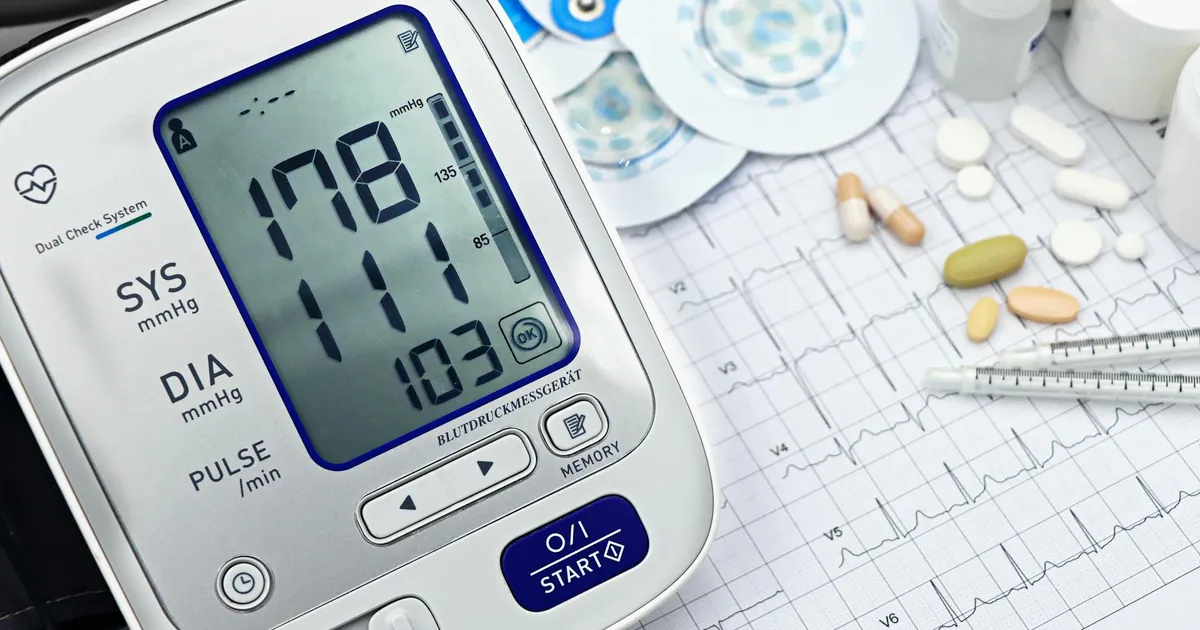
Breathing exercises are a simple yet powerful way to lower blood pressure in the moment. One of the most effective techniques is the 4-7-8 method: inhale for 4 seconds, hold your breath for 7 seconds, and exhale for 8 seconds. This technique helps slow your heart rate and activate the parasympathetic nervous system, which promotes relaxation. Another option is box breathing, which involves inhaling, holding, exhaling, and holding again for equal counts of 4 seconds each. These exercises can be done anywhere, anytime, and are especially useful during stressful situations.
Mindfulness and Meditation for Long-Term Benefits
Mindfulness and meditation are powerful tools for managing stress and lowering blood pressure. Mindfulness involves paying attention to the present moment without judgment, while meditation is a practice that helps you focus your mind and cultivate a sense of calm. Both techniques have been shown to reduce stress hormones, improve sleep, and lower blood pressure. To get started, try a guided meditation app or attend a local class. Even a few minutes of mindfulness each day can make a big difference in your stress levels and overall health.
Sleep Optimization for Blood Pressure Regulation
Sleep is often overlooked in blood pressure management, but it plays a crucial role. Poor sleep quality or insufficient sleep can raise your blood pressure and increase your risk of heart disease. During deep sleep, your body repairs and regenerates tissues, including your blood vessels. It also regulates hormones that control stress and appetite, both of which can impact blood pressure. Aim for 7–9 hours of quality sleep per night, and try to go to bed and wake up at the same time each day to regulate your circadian rhythm.
Creating a sleep-friendly environment is key to getting quality rest. Keep your bedroom cool, dark, and quiet, and avoid screens for at least an hour before bed. The blue light emitted by phones and TVs can interfere with your body’s production of melatonin, a hormone that regulates sleep. Instead, try reading a book, taking a warm bath, or practicing relaxation techniques to wind down. If you struggle with insomnia or sleep apnea, talk to your doctor about potential solutions. Addressing these issues can have a significant impact on your blood pressure and overall health.
Creating a Bedtime Routine for Better Sleep

A consistent bedtime routine can help signal to your body that it’s time to wind down. Start by setting a regular bedtime and wake-up time, even on weekends. About an hour before bed, engage in relaxing activities like reading, listening to calming music, or practicing gentle yoga. Avoid stimulating activities, like work or intense exercise, as they can make it harder to fall asleep. You can also try a warm cup of herbal tea, like chamomile or valerian root, to promote relaxation. The key is to create a routine that works for you and stick with it.
How Sleep Apnea Affects Blood Pressure
Sleep apnea is a common but often undiagnosed condition that can significantly impact blood pressure. It occurs when your breathing is repeatedly interrupted during sleep, causing your body to release stress hormones and raising your blood pressure. Over time, this can lead to sustained hypertension and increase your risk of heart disease. If you snore loudly, wake up gasping for air, or feel exhausted during the day, you may have sleep apnea. Talk to your doctor about getting tested—treatment options like a CPAP machine or lifestyle changes can make a big difference in your blood pressure and overall health.
Key Takeaways
- Mild hypertension can often be managed with lifestyle changes, including diet, exercise, and stress reduction.
- The DASH diet, rich in fruits, vegetables, and whole grains, is one of the most effective eating plans for lowering blood pressure.
- Regular exercise, even moderate activities like walking, can significantly improve cardiovascular health and lower blood pressure.
- Stress management techniques, like meditation and deep breathing, can help reduce stress hormones and promote relaxation.
- Quality sleep is essential for blood pressure regulation—aim for 7–9 hours per night and address any sleep issues like apnea.
- Small, consistent changes in your daily routine can add up to big results over time.
- Regular health check-ups can help you monitor your progress and catch any changes early.
“Lifestyle modifications are the cornerstone of hypertension management. Even small changes in diet, exercise, and stress reduction can have a profound impact on blood pressure. The key is consistency—these habits need to become a part of your daily routine, not just a temporary fix.”
— Dr. Sarah Johnson, Cardiologist and Author of “The Heart-Healthy Lifestyle”
Frequently Asked Questions
Can mild hypertension be reversed without medication?
Yes, mild hypertension can often be reversed or managed without medication through lifestyle changes. Research shows that adopting a healthy diet, regular exercise, stress management, and adequate sleep can lower blood pressure by 5–10 mmHg or more. However, it’s important to monitor your blood pressure regularly and consult a doctor if your numbers remain elevated. For some people, medication may still be necessary, but lifestyle changes can reduce or eliminate the need for it over time.
How long does it take to see results from lifestyle changes?
The timeline for seeing results varies from person to person, but most people start to see improvements in their blood pressure within 2–4 weeks of making consistent lifestyle changes. For example, reducing sodium intake can lower blood pressure within days, while regular exercise may take a few weeks to show effects. The key is to stick with your routine—even if you don’t see immediate results, these changes are benefiting your long-term health.
What are the best foods to eat for lowering blood pressure?
The best foods for lowering blood pressure are those rich in potassium, magnesium, and fiber. These include fruits like bananas and berries, vegetables like spinach and sweet potatoes, whole grains like oats and quinoa, and lean proteins like fish and beans. The DASH diet is a great framework for eating to lower blood pressure, as it emphasizes these foods while limiting sodium, saturated fats, and added sugars. Incorporating these foods into your meals can help you see improvements in your blood pressure over time.
Is it safe to exercise with high blood pressure?
Yes, exercise is generally safe and beneficial for people with high blood pressure, but it’s important to start slow and choose the right activities. Aerobic exercises like walking, swimming, and cycling are excellent choices because they improve cardiovascular health without putting too much strain on your heart. Strength training can also be beneficial, but it’s best to avoid heavy lifting or exercises that involve holding your breath. Always check with your doctor before starting a new exercise program, especially if your blood pressure is very high or you have other health conditions.
How does alcohol affect blood pressure?
Alcohol can have a significant impact on blood pressure, both in the short and long term. In the short term, drinking alcohol can cause a temporary spike in blood pressure, especially if you consume large amounts. Over time, regular alcohol consumption can lead to sustained high blood pressure and increase your risk of heart disease. The American Heart Association recommends limiting alcohol to no more than one drink per day for women and two drinks per day for men. If you drink, do so in moderation and consider cutting back if your blood pressure is elevated.
What role does hydration play in blood pressure management?
Hydration plays a crucial role in blood pressure management. When you’re dehydrated, your blood vessels constrict, which increases blood pressure. Drinking enough water helps your body flush out excess sodium and supports kidney function, both of which are essential for regulating blood pressure. Aim to drink at least 8–10 glasses of water per day, and more if you’re active or live in a hot climate. Herbal teas and water-rich foods like cucumbers and watermelon can also help you stay hydrated.
Can stress alone cause high blood pressure?
While stress alone may not cause long-term high blood pressure, it can contribute to temporary spikes in blood pressure and increase your risk of developing hypertension over time. Chronic stress can also lead to unhealthy coping mechanisms, like overeating, drinking alcohol, or smoking, which can further raise your blood pressure. Managing stress through techniques like meditation, deep breathing, and exercise can help lower your blood pressure and improve your overall health.
Managing mild hypertension without medication is entirely possible with the right daily routine. By focusing on small, sustainable changes in your diet, exercise, stress management, and sleep, you can take control of your blood pressure and improve your overall health. Remember, consistency is key—these habits need to become a part of your daily life, not just a temporary fix. Start with one or two changes, like adding more fruits and vegetables to your diet or taking a daily walk, and build from there. Over time, these small steps will add up to big results. If you’re ever unsure about your progress, don’t hesitate to consult a healthcare professional. Your heart will thank you for it.

