
Embarking on a fitness journey from the comfort of your own home can feel daunting, but a well-designed progressive overload workout plan for beginners at home is the cornerstone of sustainable, effective progress. Forget crowded gyms and intimidating equipment; your living room, bedroom, or even a small corner can become your personal training sanctuary. The principle of progressive overload, simply put, means gradually increasing the stress on your muscles over time to stimulate growth and strength. This isn’t about reinventing the wheel; it’s about smart, consistent application of foundational training principles. When you’re just starting, the goal is to build a solid base of strength and endurance, familiarize yourself with proper form, and ignite your body’s incredible adaptive capabilities. This plan focuses on bodyweight exercises that require minimal equipment, making it accessible to everyone, everywhere. We’ll guide you through understanding how to manipulate variables like reps, sets, tempo, and even exercise difficulty to keep your body challenged and moving forward, ensuring you avoid plateaus and feel the rewarding sense of accomplishment week after week.
What is Progressive Overload for Beginners?
Progressive overload is the most fundamental principle for building strength and muscle, and it’s surprisingly simple to implement for beginners training at home. At its core, it means systematically increasing the demands placed on your body over time. If you consistently perform the same workout, your body will adapt and stop seeing improvements. Think of it like this: if you lift a 5-pound dumbbell every day, eventually your muscles will get strong enough to do that easily, and no further growth will occur. Progressive overload counters this by ensuring that your workouts become progressively more challenging. For beginners, this often starts with mastering basic bodyweight movements like squats, push-ups (modified if necessary), lunges, and planks. The initial “overload” might be simply performing more repetitions than last time, increasing the duration of an isometric hold, or reducing rest periods between sets. As you get stronger, you’ll gradually introduce more difficult variations of these exercises, or focus on controlling the movement with slower tempos. The key is to listen to your body and ensure that each increase in demand is manageable, fostering a sense of accomplishment rather than burnout. It’s about smart, gradual increases that keep your muscles guessing and adapting, leading to tangible improvements in your strength, endurance, and overall fitness levels. This approach is sustainable and less prone to injury compared to drastic jumps in intensity. Think of it as a gentle, consistent nudge, not a harsh shove, guiding your body towards new levels of capability. For more on building this essential trait, check out how to build self-discipline for workout consistency.
Designing Your Beginner Home Workout

Creating an effective progressive overload workout plan for beginners at home hinges on selecting compound exercises that work multiple muscle groups simultaneously. This maximizes your workout efficiency and builds functional strength. Start with a foundational routine that includes exercises like bodyweight squats, push-ups (on knees or against a wall if standard push-ups are too hard), lunges (forward or reverse), glute bridges, and planks. These movements target your legs, chest, shoulders, back, arms, and core, providing a well-rounded stimulus. For each exercise, aim for a rep range that challenges you, typically between 8-15 repetitions, performing 2-3 sets. The crucial aspect of progressive overload comes into play next. Once you can comfortably complete the upper end of your rep range for all sets with good form, it’s time to increase the challenge. This doesn’t mean you need to immediately add weight or jump to more advanced exercises. Instead, you’ll employ subtle but effective strategic modifications. You could increase the number of repetitions within that range, add an extra set, decrease the rest time between sets by 10-15 seconds, or focus on slowing down the eccentric (lowering) portion of the movement, which increases time under tension and muscle fatigue. Another excellent method is to increase the difficulty of the exercise itself. For example, progressing from knee push-ups to standard push-ups, or from static squats to tempo squats where you control the descent and ascent. Consistent tracking of your workouts – noting reps, sets, and any modifications made – is vital. This data allows you to see your progress and plan your next overload step effectively. The initial focus should be on mastering form; quality always trumps quantity. As you gain confidence and strength, you can explore incorporating simple equipment like resistance bands, which offer a versatile and portable way to add resistance and continue the progressive overload process. The goal is consistency and gradual adaptation, making fitness a sustainable part of your lifestyle rather than a temporary chore.
Bodyweight Exercise Progression
Within your beginner home workout, specific bodyweight exercises offer a clear path for progression without needing any external equipment. For squats, you might start with standard bodyweight squats, focusing on achieving depth and proper form. Once you can comfortably perform 3 sets of 15 repetitions with excellent control, you can progress to variations like tempo squats (slower eccentric phase), pause squats (holding at the bottom for 1-2 seconds), or even jump squats for an added explosive element. For push-ups, starting on your knees or against a wall is perfectly acceptable. The progression involves gradually increasing repetitions, then moving to incline push-ups on a stable elevated surface (like a sturdy chair or table), then to standard push-ups on the floor, and eventually to decline push-ups where your feet are elevated. Lunges can be progressed by increasing repetitions, adding a pause at the bottom, performing them with a greater range of motion, or eventually adding a small hop at the top for plyometric benefits. Core exercises like planks can be made more challenging by increasing the hold time, adding an arm or leg raise, or transitioning to side planks. The introduction of these variations not only adds resistance but also works your muscles in slightly different ways, preventing plateaus and ensuring continuous adaptation. Patience is key; don’t rush these progressions. Focus on mastering each stage before moving to the next to build a strong foundation and prevent injuries. For example, instead of jumping straight to jump squats, ensure your standard squat form is impeccable and you can perform a significant number of repetitions with control and depth. This methodical approach ensures that your gains are solid and built to last, making your home-based training truly effective.
Incorporating Resistance Bands
Resistance bands are an incredibly versatile and affordable tool for beginners looking to implement progressive overload at home. Unlike free weights, bands provide accommodating resistance, meaning the tension increases as you stretch them further. This unique characteristic can offer a different type of stimulus for your muscles. To start, you might use a light band for exercises like banded squats, focusing on driving your knees outward against the band’s tension. As you get stronger, you can progress by moving to a thicker band that provides more resistance, or by increasing the number of repetitions or sets. For upper body exercises, bands can be looped around your feet for banded chest presses or rows, or held overhead for banded shoulder presses. The key to progressive overload with bands is to thoughtfully increase either the resistance of the band itself (moving from a lighter to a heavier band), or to increase the volume (more reps and sets) or decrease rest periods. You can also manipulate the exercise’s lever arm, for instance, by changing the angle at which you perform a banded row or press. Some individuals also find success by increasing the time under tension, meaning you perform the movement slower, especially the eccentric portion. For example, when doing a banded row, slowly control the band back to the starting position. This builds intramuscular tension and can be a significant driver of adaptation. Bands are also excellent for warm-ups and cool-downs, helping to activate specific muscle groups and improve mobility. When choosing bands, look for a set that offers several different resistance levels. This allows you to seamlessly transition to a more challenging band as you progress, ensuring that your home workouts continue to be effective and stimulating week after week. Learn more about choosing the right equipment here: Related Article.
The Importance of Proper Form
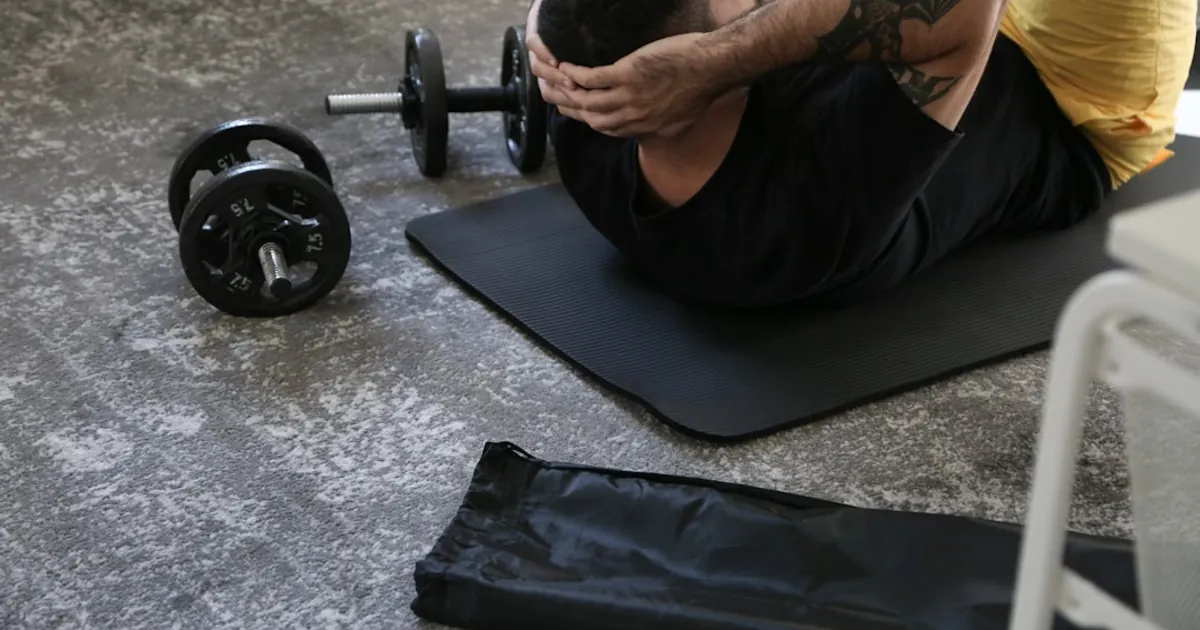
Mastering proper form is paramount when implementing a progressive overload workout plan for beginners at home. It’s not just about lifting more or doing more reps; it’s about doing it safely and effectively to maximize muscle activation and minimize injury risk. Poor form can lead to ineffective workouts, where you might be expending significant energy but not actually targeting the intended muscles, or worse, putting undue stress on joints and connective tissues. For beginners, this means taking the time to learn the correct biomechanics of each exercise. For example, during squats, focus on maintaining a neutral spine, engaging your core, and ensuring your knees track in line with your toes, not collapsing inward. When performing push-ups, keep your body in a straight line from head to heels and avoid letting your hips sag. This often involves watching instructional videos from reputable sources, perhaps even recording yourself to compare your form to the ideal. Initially, you might need to perform fewer repetitions or use an easier variation of an exercise simply to ensure your form is perfect. The initial phase of your training should prioritize quality over quantity. As you become more proficient, you’ll naturally feel the correct muscles engaging, and you’ll build confidence in your movements. Progressive overload should only be applied once you can perform an exercise with excellent form. Rushing the process, such as trying to do more reps with sloppy technique, will be counterproductive and can lead to injuries that will derail your progress entirely. Think of good form as the sturdy foundation upon which all your strength and muscle gains will be built. Without it, any progress you make will be on shaky ground, making it much more susceptible to collapse. This dedication to correct execution ensures that your progressive overload efforts are efficiently translated into tangible improvements in strength and physique, creating a truly sustainable and rewarding fitness journey in your own home.
Structuring Your Weekly Routine
A well-structured weekly routine is crucial for allowing your body adequate recovery while consistently applying progressive overload. For beginners, a full-body workout performed 2-3 times per week with at least one rest day in between is generally recommended. This allows each muscle group to be stimulated multiple times per week, which is highly effective for building a foundation. For example, you might train on Monday, Wednesday, and Friday, with Tuesday, Thursday, Saturday, and Sunday dedicated to rest or active recovery like light walking or stretching. The focus within each session should be on compound movements that engage large muscle groups. This approach ensures that you are working all major muscle groups multiple times a week, promoting greater overall strength development and calorie expenditure. Within each workout, apply the principles of progressive overload. If you completed 3 sets of 10 squats last session, aim for 3 sets of 11 or 12 this session, or perhaps reduce your rest time by 15 seconds. As you progress, you might introduce slightly more challenging exercise variations or add an additional set to one or two exercises. It’s essential to listen to your body; if you are feeling excessively sore or fatigued, it’s okay to repeat the same workout for an extra session before pushing for an overload. This isn’t failure; it’s smart training that respects your body’s recovery needs. Consistency in your routine is key. Having a set schedule makes it easier to adhere to your plan and track your progress. Avoid jumping between different workout plans too frequently, especially in the initial stages. Stick with a program for at least 4-8 weeks, focusing on applying progressive overload principles consistently, before considering major changes. This creates a reliable framework for improvement and helps build the discipline needed for long-term fitness success. Consider incorporating a 30-minute cardio session on your rest days for cardiovascular health: Related Article.
Progressive Overload Methods Explained
Understanding the various methods of progressive overload allows you to tailor your training and ensure continuous adaptation. The most straightforward method is increasing reps: once you can comfortably reach the top of your set’s rep range with good form, aim for one or two more reps in the next session. Next is increasing sets: after mastering a rep goal, you can add an additional set to an exercise, increasing the total volume. Another effective technique is decreasing rest periods between sets. Shaving off 10-15 seconds can significantly increase the workout’s intensity and cardiovascular demand. Tempo manipulation is a subtler but powerful tool. Slowing down the eccentric (lowering) phase of an exercise, for 3-4 seconds, increases time under tension, which is a potent stimulus for muscle growth. For example, in a push-up, slowly lower yourself down for 3 counts, pause briefly, and then push back up. Changing the exercise difficulty is also a cornerstone of effective overload, especially with bodyweight training. This involves progressing to more challenging variations of an exercise. For instance, moving from incline push-ups to standard push-ups, or from regular squats to Bulgarian split squats. Finally, you can increase the range of motion, performing exercises through a fuller, more challenging range of motion while maintaining good form. This could involve squatting deeper or performing a more complete pull. Not all these methods need to be applied to every exercise in every workout. Choose one or two methods per session or per week to focus on, ensuring you don’t overload yourself and risk injury or excessive fatigue. The goal is consistent, manageable challenges that guide your body towards adaptation and improved performance.
Tracking Your Progress
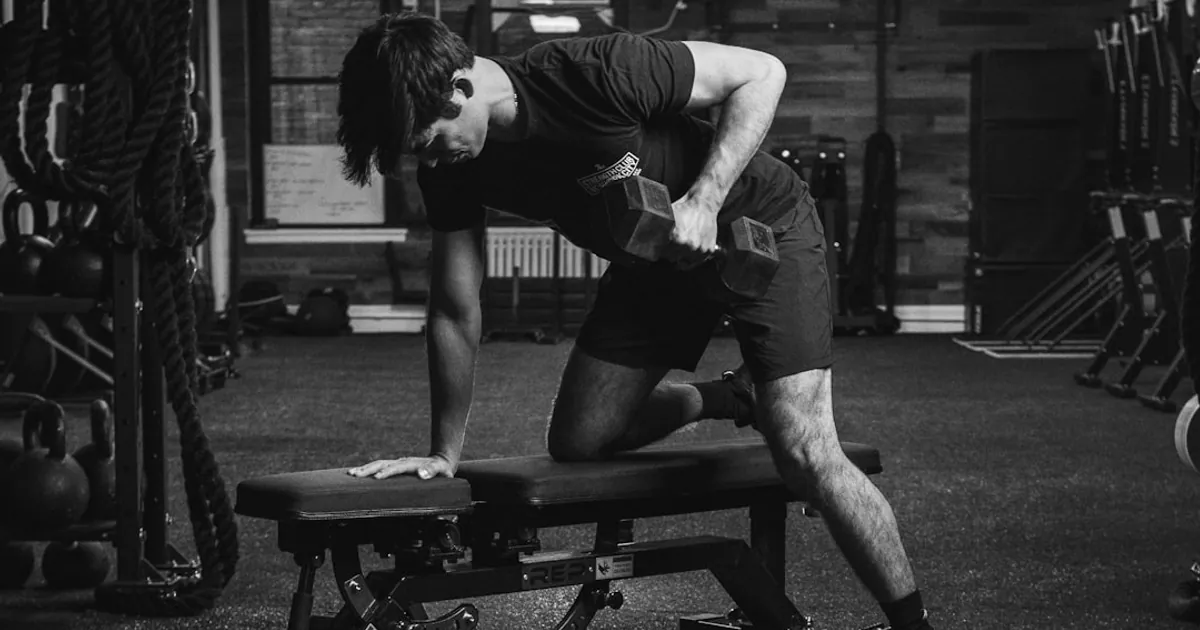
Diligent tracking of your workouts is not merely a suggestion; it’s an absolute necessity for a successful progressive overload workout plan for beginners at home. Without it, you’re essentially training blind, guessing whether you’re making progress or simply repeating the same efforts. A training log, whether it’s a dedicated notebook, a spreadsheet, or a fitness app, should meticulously record key details from each session. This includes the date of the workout, the specific exercises performed, the number of sets for each exercise, the number of repetitions completed per set, and the rest time taken between sets. Crucially, you should also note any modifications made, such as using an easier variation of an exercise, or any subjective feelings like perceived exertion or muscle soreness. This data serves as your roadmap. After each workout, review your log. Did you hit your target reps and sets? If yes, that indicates it’s time to implement an overload strategy in your next session for that particular exercise. If you struggled to reach your targets, it might mean you need to maintain the current level or even slightly reduce the demand to focus on form. Beyond just numbers, tracking your progress allows you to witness your journey unfold. Seeing that you’ve gone from 5 knee push-ups to 12 standard push-ups, or that you can now hold a plank for 60 seconds instead of 30, provides immense motivation and reinforces the effectiveness of your training. This concrete evidence of improvement is a powerful psychological boost, helping you stay committed to your fitness goals. It also helps identify potential plateaus early on, allowing you to adjust your strategy before stagnation sets in. Think of your training log as your personal progress report, each entry a testament to your dedication and hard work. This meticulous approach transforms abstract goals into measurable achievements.
Key Takeaways
- Progressive overload means gradually increasing the demands on your muscles to stimulate growth and strength.
- For beginners at home, start with compound bodyweight exercises and focus on mastering proper form.
- Methods for progressive overload include increasing reps, sets, decreasing rest times, manipulating tempo, changing exercise difficulty, and increasing range of motion.
- A consistent weekly routine of 2-3 full-body workouts with rest days is ideal for beginners.
- Meticulously tracking your workouts is essential for monitoring progress and planning future overload strategies.
- Prioritize safety and listen to your body; never sacrifice form for the sake of increasing weight or reps.
“The most effective fitness plans are those that are sustainable and adaptable. Progressive overload, when applied thoughtfully and consistently, empowers individuals to achieve remarkable results from anywhere, fostering a lifelong commitment to health and well-being. It’s about intelligent progression, not brute force.”
A hypothetical excerpt from a renowned strength and conditioning coach.
Frequently Asked Questions

How often should I increase the challenge?
As a beginner, aim to increase the challenge roughly every 1-2 weeks, or whenever you comfortably hit the upper end of your target rep range for all sets with excellent form. It’s not a strict timeline; it’s based on your body’s adaptation. Listen to your body – if you’re still finding the current level challenging, stick with it for another session.
What if I can’t do a standard push-up?

This is perfectly normal! Start with incline push-ups against a wall or a sturdy elevated surface like a kitchen counter or chair. As you get stronger, gradually lower the height of the surface until you can perform knee push-ups, and then eventually standard push-ups. Focus on controlled movement and progressive overload at each stage.
How much rest should I take between sets?
For beginners, aiming for 60-90 seconds of rest between sets is a good starting point. This allows for sufficient recovery to maintain good form on subsequent sets. As you progress and reduce rest times, you can gradually decrease this interval.
Can I use progressive overload for cardio at home?
Absolutely! For cardio, progressive overload can involve increasing duration, intensity (e.g., faster pace, higher incline if you have a treadmill or stairs), reducing rest intervals during interval training, or incorporating more challenging movements like burpees or jump lunges into your routines. The principle remains the same: gradually increase the demand.
Should I focus on strength or endurance first?

For beginners using progressive overload, it’s beneficial to focus on building a solid base of both strength and muscular endurance simultaneously. A rep range of 8-15 repetitions for most exercises effectively targets both. As you become more advanced, you can vary your rep ranges for more specific goals.
By embracing the principle of progressive overload, you’re setting yourself up for a rewarding and sustainable fitness journey right in your own home. Remember, consistency, proper form, and listening to your body are your greatest assets. Start today, track your progress, and celebrate every small victory. Your future, stronger self will thank you for it. Begin implementing these strategies and unlock your potential!

