
A low impact workout routine for joint pain and beginners isn’t just about easing discomfort—it’s about rebuilding strength, confidence, and mobility without the risk of injury. If you’ve ever winced through a squat or hesitated before stepping onto a treadmill, you’re not alone. Millions of people struggle with joint sensitivity, past injuries, or simply the intimidation of starting a fitness journey from scratch. The good news? You don’t need high-intensity jumps or heavy weights to see real results. Gentle, mindful movement can improve flexibility, boost endurance, and even reduce chronic pain over time. The key lies in choosing exercises that respect your body’s limits while gradually pushing them forward.
This guide is designed for anyone who’s ever felt sidelined by joint pain or overwhelmed by complex workout plans. Whether you’re recovering from an injury, managing arthritis, or just starting your fitness journey, these routines prioritize safety, sustainability, and progress. We’ll explore how to listen to your body, modify movements for comfort, and build a foundation that supports long-term health. And the best part? You can do most of these exercises at home with little to no equipment, making it easier than ever to stay consistent.
What Is a Low Impact Workout Routine?
A low impact workout routine is a 40-word definition: a series of exercises designed to minimize stress on joints while improving strength, flexibility, and cardiovascular health. These routines avoid high-impact movements like jumping or running, making them ideal for beginners, those with joint pain, or anyone recovering from injury.
Unlike traditional workouts that rely on explosive movements, low impact routines focus on controlled, fluid motions. Think swimming, cycling, or bodyweight exercises performed at a steady pace. The goal isn’t to push your heart rate to its max but to engage muscles and joints in a way that builds endurance without strain. For example, a brisk walk can be just as effective as a jog for improving cardiovascular health—without the jarring impact on your knees or ankles.
These routines are also incredibly versatile. You can tailor them to your fitness level, whether you’re a complete beginner or someone looking to maintain activity during recovery. The beauty of low impact workouts is that they’re scalable. A simple seated leg lift can progress to a standing version as your strength improves, ensuring you never hit a plateau. Plus, they’re often more sustainable in the long run because they reduce the risk of burnout or injury.
For those dealing with joint pain, low impact exercises can be a game-changer. Conditions like osteoarthritis or tendonitis thrive on gentle movement, which helps lubricate joints and reduce stiffness. Even if you’re not in pain, these routines are a smart choice for preventing future issues. They teach proper form, strengthen supporting muscles, and promote overall body awareness—all of which are crucial for long-term joint health.
Why Low Impact Workouts Are Perfect for Beginners

Starting a fitness journey can feel overwhelming, especially if you’re unsure where to begin. Low impact workouts remove the guesswork by offering a gentle entry point that builds confidence alongside strength. For beginners, the biggest hurdle isn’t always physical—it’s mental. The fear of injury or failure can hold you back, but these routines eliminate that risk by focusing on controlled, manageable movements.
One of the biggest advantages of low impact workouts is their adaptability. You don’t need a gym membership or fancy equipment to get started. Many exercises can be done at home using just your body weight, a chair, or a yoga mat. This accessibility makes it easier to stick with a routine, even on busy days. For example, a 10-minute session of seated marches or wall push-ups can fit seamlessly into a morning routine, setting a positive tone for the rest of the day.
Another reason beginners love low impact workouts is their focus on foundational strength. Instead of jumping into complex movements, these routines prioritize proper form and muscle engagement. This approach not only reduces the risk of injury but also helps you develop a deeper connection with your body. You’ll learn how to activate your core, stabilize your joints, and move with intention—skills that will serve you well as you progress to more challenging exercises.
Low impact workouts also foster consistency, which is the key to long-term success. Because they’re gentle, you’re less likely to experience soreness or fatigue that might derail your progress. This makes it easier to establish a habit, which is especially important for beginners. Over time, you’ll notice improvements in your endurance, flexibility, and overall energy levels, all of which can motivate you to keep going.
Building Confidence Through Small Wins
Confidence in fitness isn’t built overnight—it’s cultivated through small, consistent victories. Low impact workouts are perfect for this because they allow you to celebrate progress without the pressure of intense performance. Maybe you held a plank for 10 seconds longer than last week, or perhaps you completed a full set of squats without discomfort. These milestones add up, reinforcing your belief in what you’re capable of.
For beginners, this incremental progress is invaluable. It shifts the focus from perfection to effort, which is a much healthier mindset. You’ll start to see fitness as a journey rather than a destination, and that perspective can make all the difference in staying motivated. Plus, as your confidence grows, you’ll naturally feel more comfortable exploring new exercises or increasing the intensity of your workouts.
Overcoming the Fear of Injury
One of the biggest barriers for beginners is the fear of getting hurt. Low impact workouts address this concern head-on by prioritizing safety. Because these routines avoid high-impact movements, they significantly reduce the risk of strains, sprains, or joint stress. This peace of mind allows you to focus on the movement itself, rather than worrying about potential setbacks.
Additionally, low impact exercises often incorporate modifications, so you can adjust the intensity based on how you’re feeling. For example, if a standing exercise feels too challenging, you can perform it seated instead. This flexibility ensures that you’re always working within your limits while still making progress. Over time, you’ll build the strength and stability needed to tackle more advanced movements—without the fear of injury holding you back.
Top Low Impact Exercises for Joint Pain Relief
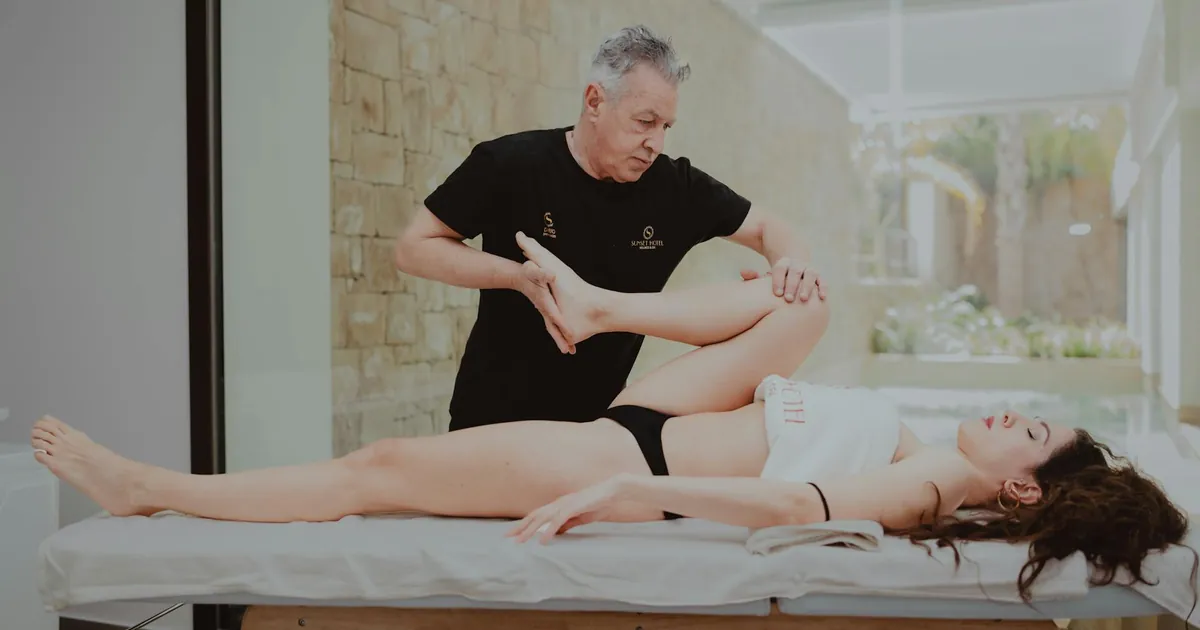
When joint pain flares up, the last thing you want is a workout that aggravates it. The right low impact exercises can actually provide relief by improving circulation, reducing stiffness, and strengthening the muscles that support your joints. The key is to choose movements that are gentle yet effective, focusing on controlled motions that don’t overtax your body.
One of the best exercises for joint pain is swimming or water aerobics. The buoyancy of water reduces the impact on your joints while providing resistance to build strength. Even a simple walk in the pool can work wonders for your mobility and comfort. If you don’t have access to a pool, don’t worry—there are plenty of land-based options that deliver similar benefits.
Another excellent choice is cycling, whether on a stationary bike or outdoors. Cycling is a low impact way to get your heart rate up without putting stress on your knees or hips. It’s also a great way to improve leg strength, which can help stabilize your joints over time. For those with wrist or shoulder pain, recumbent bikes offer additional support by allowing you to lean back comfortably.
For a full-body workout that’s easy on the joints, consider Pilates or yoga. Both practices emphasize controlled movements, flexibility, and core strength, all of which are essential for joint health. Many poses and exercises can be modified to suit your comfort level, making them ideal for beginners or those with chronic pain. For example, a seated forward fold can stretch your hamstrings without straining your lower back.
Seated Exercises for Maximum Comfort
If standing exercises feel too challenging, seated workouts are a fantastic alternative. They allow you to engage your muscles without putting pressure on your joints, making them perfect for days when pain or fatigue is high. Simple movements like seated leg lifts, arm circles, or torso twists can improve mobility and strength without discomfort.
Seated exercises are also a great way to incorporate resistance bands or light weights into your routine. For example, you can perform bicep curls or shoulder presses while sitting, which helps build upper body strength without straining your back or knees. These exercises are especially useful for those with arthritis or limited mobility, as they can be done at a slow, controlled pace.
Floor-Based Movements for Gentle Strength
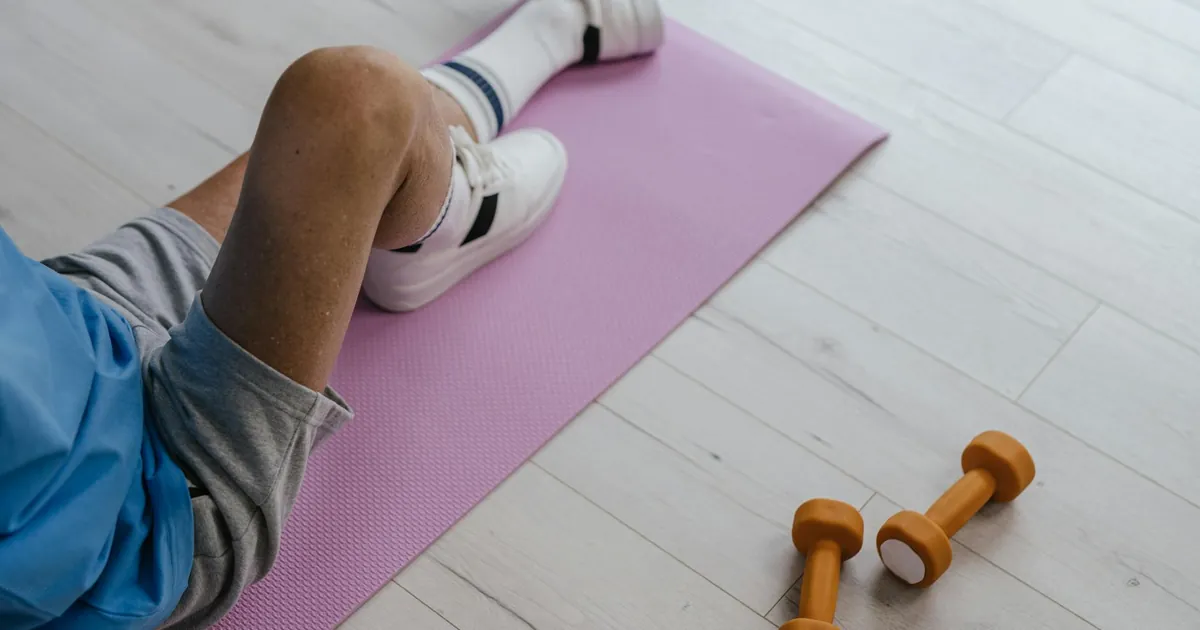
Floor exercises are another excellent option for low impact workouts. They provide stability and support, allowing you to focus on form and muscle engagement. Movements like glute bridges, clamshells, or gentle leg lifts can strengthen your lower body without putting stress on your joints. These exercises are particularly beneficial for those with knee or hip pain, as they help build the muscles that support these areas.
For a full-body floor workout, try incorporating exercises like cat-cow stretches, bird dogs, or modified push-ups. These movements improve flexibility, core strength, and overall stability, all of which contribute to better joint health. Plus, they can be done anywhere, making them a convenient option for busy schedules.
How to Modify Workouts for Your Comfort Level
One of the biggest misconceptions about fitness is that you have to push through discomfort to see results. In reality, the best workouts are the ones you can sustain long-term, and that means listening to your body. Modifying exercises to suit your comfort level isn’t a sign of weakness—it’s a smart strategy for avoiding injury and staying consistent. Whether you’re dealing with joint pain, fatigue, or just a bad day, there’s always a way to adjust your routine.
For example, if a standing exercise feels too challenging, try performing it seated or using a chair for support. This simple modification can make a world of difference in your comfort and confidence. Similarly, if a movement causes pain, reduce the range of motion or slow down the pace. The goal is to work within your limits while still engaging your muscles. Over time, you’ll build the strength and flexibility needed to progress to more advanced versions of the exercise.
Another way to modify workouts is by adjusting the intensity. If a routine feels too easy, you can add resistance bands, light weights, or increase the number of repetitions. Conversely, if it feels too difficult, you can reduce the resistance, shorten the duration, or take longer breaks between sets. The key is to find a balance that challenges you without overwhelming you. This approach ensures that you’re always making progress, even on days when your body isn’t at its best.
It’s also important to pay attention to your form. Poor technique can lead to injury, especially when dealing with joint pain. If you’re unsure about how to perform an exercise correctly, consider working with a physical therapist or certified trainer. They can provide personalized guidance and modifications tailored to your needs. Alternatively, you can follow along with reputable online videos or tutorials that demonstrate proper form and technique.
Using Props for Support and Stability
Props like resistance bands, yoga blocks, or stability balls can make a big difference in your workout comfort. For example, a resistance band can add gentle resistance to seated leg lifts, making them more challenging without increasing impact. Yoga blocks can help you maintain proper alignment in standing poses, reducing strain on your joints. Even a simple chair can provide support during balance exercises, allowing you to focus on form rather than stability.
These props are especially useful for beginners or those with limited mobility. They allow you to perform exercises with greater control and confidence, which can boost your motivation and results. Plus, they’re affordable and easy to find, making them a practical addition to any home workout setup. If you’re new to using props, start with one or two and gradually incorporate more as you become comfortable.
Listening to Your Body’s Signals

Your body is constantly communicating with you, and learning to listen to its signals is one of the most important skills in fitness. Pain, fatigue, and discomfort are all signs that you may need to adjust your workout. Ignoring these signals can lead to injury or burnout, so it’s crucial to pay attention and respond accordingly.
For example, if you feel sharp pain during an exercise, stop immediately and assess the situation. It could be a sign that you’re pushing too hard or that your form is off. On the other hand, if you feel a mild ache or stiffness, it might be a sign that you need to warm up more thoroughly or take a rest day. The key is to distinguish between discomfort that’s part of the process and pain that signals a problem.
It’s also important to recognize that your comfort level may vary from day to day. Some days, you might feel strong and energized, while other days, you might feel tired or sore. This is normal, and it’s okay to adjust your workout accordingly. The goal is to stay active in a way that supports your overall health, not to push through pain or exhaustion. By listening to your body, you’ll be able to create a sustainable routine that works for you.
Creating a Weekly Low Impact Workout Plan
Consistency is the secret sauce of any successful fitness routine, and a well-structured weekly plan can help you stay on track. For beginners or those with joint pain, a balanced low impact workout plan should include a mix of cardiovascular exercise, strength training, and flexibility work. This variety ensures that you’re improving your overall fitness without overtaxing any one area of your body.
A typical week might include three days of low impact cardio, such as walking, swimming, or cycling. These activities get your heart rate up without putting stress on your joints, making them ideal for improving cardiovascular health. On alternate days, you can focus on strength training, using bodyweight exercises or light resistance to build muscle. Finally, dedicate one or two days to flexibility and recovery, incorporating yoga, stretching, or foam rolling to keep your muscles and joints limber.
For example, you might start your week with a 20-minute brisk walk on Monday, followed by a strength training session on Tuesday. Wednesday could be a rest day or a gentle yoga session, while Thursday might include a 30-minute swim or bike ride. Friday could be another strength training day, with Saturday reserved for a longer walk or a fun activity like dancing. Sunday can be a rest day or a day for light stretching and relaxation.
This approach ensures that you’re working different muscle groups and energy systems throughout the week, which helps prevent boredom and plateaus. It also allows your body time to recover between sessions, reducing the risk of injury or burnout. Plus, by scheduling your workouts in advance, you’re more likely to stick with them, even on days when motivation is low.
Sample Workout Plan for Beginners
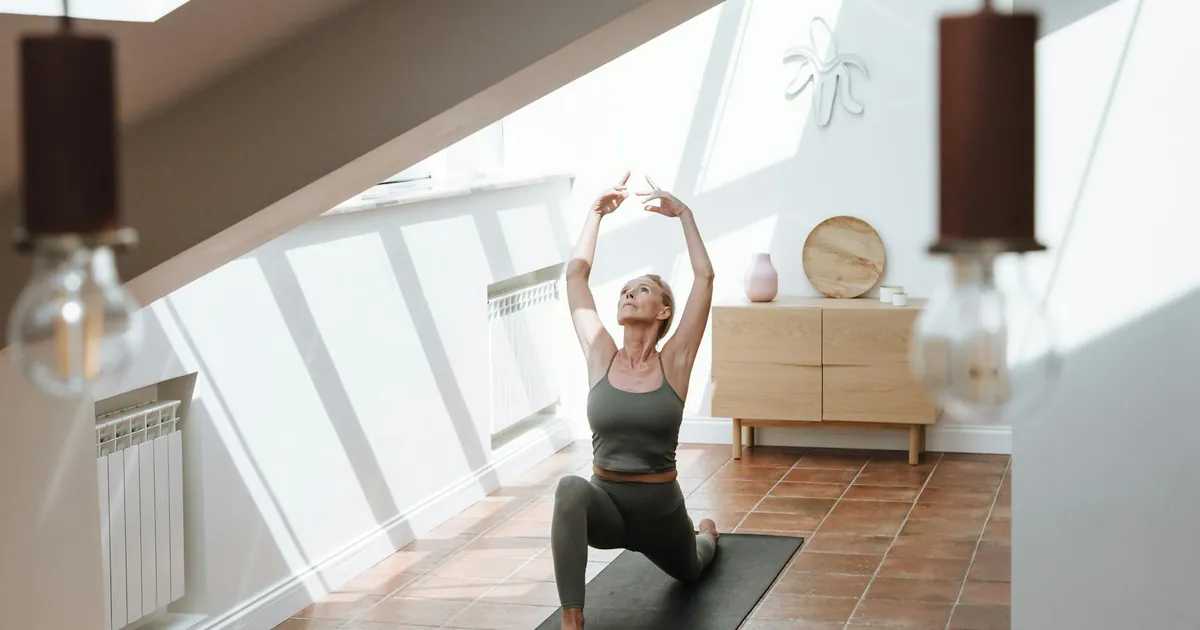
Here’s a simple weekly plan to get you started. Remember, the key is to listen to your body and adjust the intensity as needed. If a workout feels too challenging, reduce the duration or intensity. If it feels too easy, add a few more repetitions or increase the resistance.
- Monday: 20-minute brisk walk or water aerobics
- Tuesday: Strength training (seated leg lifts, wall push-ups, bicep curls with light weights)
- Wednesday: Rest or gentle yoga/stretching
- Thursday: 30-minute swim or stationary bike ride
- Friday: Strength training (glute bridges, clamshells, seated rows with resistance bands)
- Saturday: 30-minute walk or fun activity (dancing, gardening, etc.)
- Sunday: Rest or light stretching/foam rolling
This plan is flexible, so feel free to swap out activities based on your preferences and schedule. The goal is to find a routine that you enjoy and can stick with long-term. If you’re new to exercise, start with shorter sessions and gradually increase the duration as your fitness improves.
Adjusting the Plan for Joint Pain
If you’re dealing with joint pain, you may need to make a few adjustments to the sample plan above. For example, if walking causes discomfort, try swimming or cycling instead. If standing exercises are painful, opt for seated or floor-based movements. The key is to choose activities that don’t aggravate your pain while still providing a challenge.
You can also incorporate more rest days or lower-intensity activities into your plan. For example, instead of a 30-minute swim, you might do two 15-minute sessions with a break in between. Or, you could replace a strength training day with a gentle yoga session. The goal is to stay active without pushing your body too hard.
It’s also a good idea to consult with a healthcare provider or physical therapist before starting any new workout routine, especially if you have chronic pain or a medical condition. They can provide personalized recommendations and modifications to ensure that your plan is safe and effective. With their guidance, you can create a routine that supports your joint health and overall well-being.
Key Takeaways
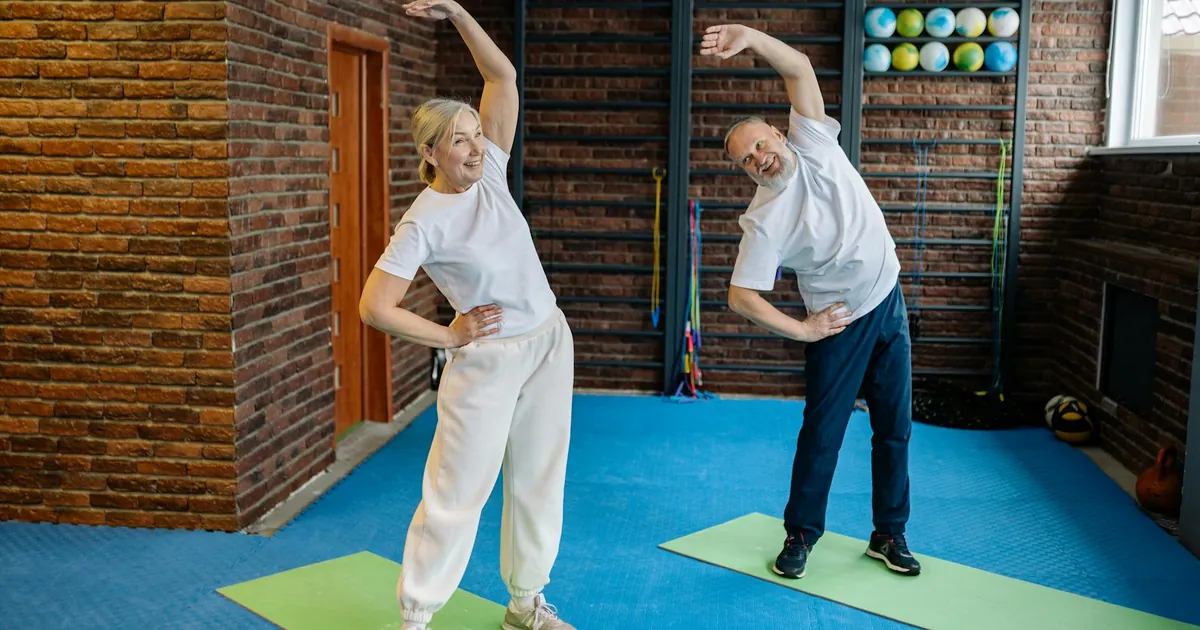
- Low impact workouts prioritize gentle, controlled movements to protect joints and build strength safely.
- These routines are ideal for beginners, those with joint pain, or anyone recovering from injury.
- Exercises like swimming, cycling, and yoga improve cardiovascular health and flexibility without high impact.
- Modifying workouts—such as using seated versions or reducing range of motion—ensures comfort and sustainability.
- Props like resistance bands or chairs can enhance stability and support during exercises.
- A balanced weekly plan should include cardio, strength training, and flexibility work for well-rounded fitness.
- Listening to your body and adjusting intensity based on pain or fatigue is crucial for long-term success.
- Consistency, not intensity, is the key to seeing progress and maintaining joint health.
Expert Insights
“Low impact workouts are a game-changer for individuals with joint pain or those new to exercise. The focus on controlled movements and proper form not only reduces injury risk but also builds a strong foundation for long-term fitness. What many people don’t realize is that these routines can be just as effective as high-impact workouts for improving strength and endurance—without the wear and tear on the body. The key is to start slow, stay consistent, and celebrate small victories along the way.”
—Dr. Sarah Johnson, Physical Therapist and Certified Strength Coach
Frequently Asked Questions
Can low impact workouts help with weight loss?
Absolutely. While low impact workouts may not burn calories as quickly as high-intensity exercises, they can still contribute to weight loss when combined with a balanced diet. The key is consistency. Activities like swimming, cycling, or brisk walking elevate your heart rate and boost metabolism, helping you create a calorie deficit over time. Plus, because these workouts are gentle on the joints, you’re more likely to stick with them long-term, which is essential for sustainable weight loss.
How often should I do low impact workouts?
For beginners or those with joint pain, aim for 3–5 sessions per week, with at least one rest day in between. This frequency allows your body to recover while still making progress. If you’re new to exercise, start with shorter sessions (10–20 minutes) and gradually increase the duration as your fitness improves. Listen to your body—if you feel sore or fatigued, take an extra rest day or opt for a gentler activity like stretching or yoga.
Are low impact workouts suitable for all ages?
Yes! Low impact workouts are incredibly versatile and can be adapted for people of all ages and fitness levels. For older adults, these routines can improve mobility, balance, and strength, reducing the risk of falls and maintaining independence. For younger individuals, they provide a safe way to build fitness without the risk of injury. The key is to choose exercises that match your current abilities and gradually progress as you get stronger.
What equipment do I need for low impact workouts?
One of the best things about low impact workouts is that they require minimal equipment. Many exercises can be done using just your body weight, such as squats, lunges, or push-ups (modified if needed). If you want to add resistance, consider investing in a set of resistance bands or light dumbbells. A yoga mat can also provide comfort and support for floor-based exercises. For cardio, a stationary bike, treadmill, or even a pool can be helpful, but they’re not necessary to get started.
How can I stay motivated with low impact workouts?
Motivation can be a challenge, especially when progress feels slow. To stay on track, set small, achievable goals—like completing a 10-minute workout three times a week—and celebrate your successes. Tracking your progress in a journal or app can also help you see how far you’ve come. Additionally, find activities you enjoy, whether it’s dancing, swimming, or following along with a workout video. The more fun you have, the more likely you are to stick with it. Finally, consider finding a workout buddy or joining a class to stay accountable and motivated.
Can I combine low impact workouts with other forms of exercise?
Yes, and it’s often a great idea! Low impact workouts can complement other forms of exercise by providing a gentle way to stay active on recovery days. For example, if you enjoy running or weightlifting, you can use low impact activities like yoga or swimming to improve flexibility and reduce soreness. This approach ensures that you’re working different muscle groups and energy systems, which can enhance your overall fitness. Just be sure to listen to your body and avoid overdoing it, especially if you’re new to exercise.
What should I do if I experience pain during a workout?
If you feel pain during a workout, stop immediately and assess the situation. Sharp or sudden pain is a sign that something is wrong, and continuing could lead to injury. Mild discomfort or muscle fatigue, on the other hand, is normal and usually subsides with rest. If the pain persists, consider modifying the exercise or switching to a gentler activity. It’s also a good idea to consult with a healthcare provider or physical therapist to rule out any underlying issues and get personalized advice.
Starting a low impact workout routine is one of the best gifts you can give your body—especially if joint pain or inexperience has held you back in the past. The beauty of these exercises lies in their simplicity and adaptability. They meet you where you are, whether that’s on the couch recovering from an injury or stepping into a gym for the very first time. Over time, you’ll notice not just physical changes—like improved strength and flexibility—but also a deeper sense of confidence in what your body can do.
Remember, progress isn’t about perfection. It’s about showing up, even on days when your workout feels small or insignificant. Those 10-minute walks, those modified squats, those deep breaths in a yoga pose—they all add up. If you’re ready to take the first step, start with one of the routines in this guide and adjust as needed. And if you’re looking for more beginner-friendly ideas, check out this related article on home workouts without equipment. Your joints (and your future self) will thank you.

