
If you’ve ever felt like a balloon after a meal, you’re not alone—bloating affects nearly 1 in 3 people regularly, turning digestion into a daily discomfort. The good news? Your kitchen might already hold the secret to a happier gut. An anti-bloating foods list isn’t just about avoiding discomfort; it’s about transforming how your body processes food, reducing inflammation, and nurturing the trillions of microbes that call your digestive system home. Unlike quick fixes that mask symptoms, these foods work with your body’s natural rhythms, helping you feel lighter, more energized, and in control of your digestion. Whether you’re dealing with occasional puffiness or chronic gut issues, the right foods can make all the difference—without relying on pills or restrictive diets.
What Are Anti-Bloating Foods and How Do They Work?
Anti-bloating foods are nutrient-dense, fiber-rich, and often probiotic-packed options that support digestion by reducing gas, easing water retention, and promoting a healthy gut microbiome. Unlike processed foods that trigger inflammation or slow digestion, these foods contain natural compounds like enzymes, prebiotics, and antioxidants that help break down food efficiently. For example, pineapple contains bromelain, an enzyme that aids protein digestion, while ginger stimulates gut motility, preventing stagnation. The key is choosing foods that either prevent gas buildup, soothe the gut lining, or feed beneficial bacteria—all of which contribute to a flatter, more comfortable stomach.
But it’s not just about what you eat; it’s about how your body responds. Bloating often stems from imbalances in gut bacteria, poor digestion, or food intolerances. Anti-bloating foods address these root causes by improving gut motility, reducing fermentation (a major cause of gas), and calming inflammation. For instance, cucumbers are 95% water and act as a natural diuretic, while fennel seeds relax the digestive tract, easing cramps and bloating. The best part? These foods are delicious, easy to incorporate, and work synergistically with your body’s natural processes.
How Fiber Plays a Dual Role in Bloating
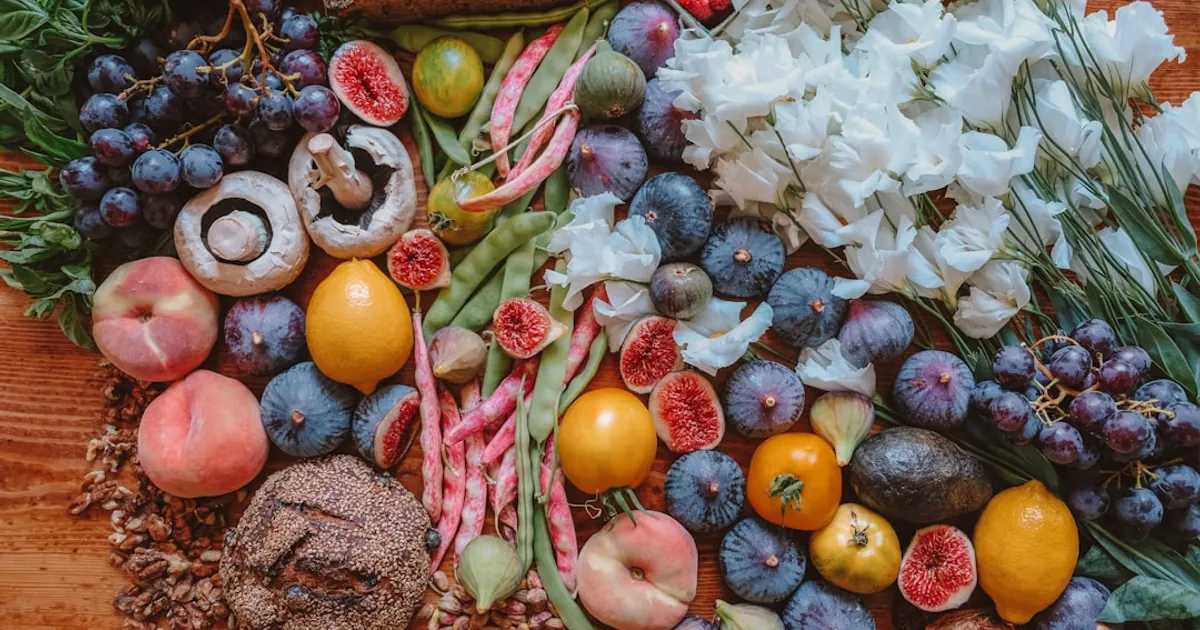
Fiber is often misunderstood when it comes to bloating. While it’s essential for digestion, too much insoluble fiber (found in raw veggies or whole grains) can cause gas if your gut isn’t used to it. The trick is to focus on soluble fiber, which dissolves in water and forms a gel-like substance that slows digestion, preventing sudden gas buildup. Foods like oats, chia seeds, and bananas are rich in soluble fiber and help regulate bowel movements without overwhelming your system. Start with small portions and gradually increase intake to let your gut adapt.
Probiotics vs. Prebiotics: The Gut Health Power Couple
Probiotics are live bacteria that replenish your gut microbiome, while prebiotics are the “food” that fuels them. Together, they create a thriving gut environment that reduces bloating. Probiotic-rich foods like kefir, sauerkraut, and kimchi introduce beneficial bacteria, while prebiotic foods like garlic, onions, and asparagus feed them. Think of it as a garden: probiotics are the seeds, and prebiotics are the fertilizer. Without both, your gut ecosystem can’t flourish. For best results, pair them in meals—like yogurt with banana or kimchi with brown rice—to maximize their anti-bloating effects.
The Ultimate Anti-Bloating Foods List for Daily Meals
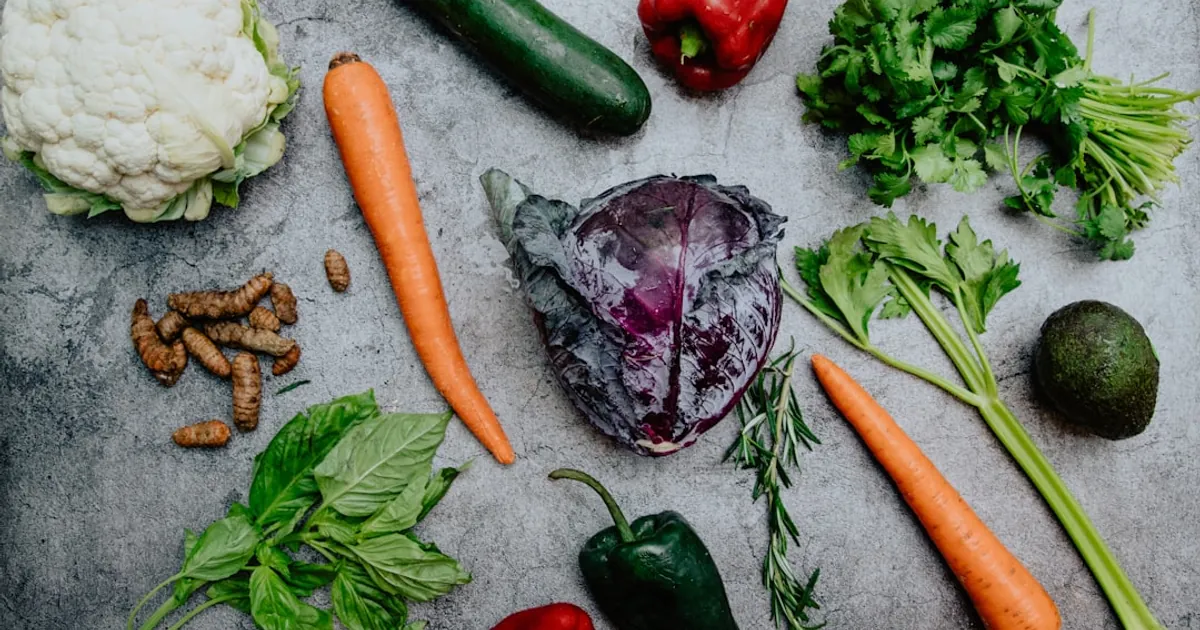
Ready to revamp your diet? This curated list of anti-bloating foods is divided into categories based on their primary benefits, so you can mix and match for maximum relief. Whether you’re whipping up a smoothie, salad, or stir-fry, these ingredients will help you feel lighter and more energized.
Top 5 Fermented Foods for Gut Balance
Fermented foods are nature’s probiotics, packed with live cultures that improve digestion and reduce bloating. Here are the top five to add to your diet:
- Kefir: A tangy, drinkable yogurt with up to 30 strains of probiotics. It’s easier to digest than milk and helps break down lactose, making it ideal for those with sensitivities.
- Sauerkraut: Fermented cabbage is rich in fiber and probiotics. Opt for raw, unpasteurized versions to get the full benefits.
- Kimchi: A spicy Korean staple made from fermented vegetables. Its capsaicin content also boosts metabolism, aiding digestion.
- Miso: A Japanese paste made from fermented soybeans. Add it to soups or dressings for a savory, gut-friendly kick.
- Kombucha: A fizzy, fermented tea that’s rich in probiotics and enzymes. Choose low-sugar varieties to avoid bloating from excess sugar.
Hydrating and Diuretic Foods to Flush Out Excess Water
Water retention is a common cause of bloating, especially for those with hormonal fluctuations or high-sodium diets. These foods act as natural diuretics, helping your body release excess fluid without harsh medications:
- Cucumber: Composed of 95% water, cucumbers are a natural diuretic that also contains quercetin, an antioxidant that reduces inflammation.
- Celery: Its high water content and potassium levels help balance sodium, reducing water retention. It’s also rich in fiber to keep digestion moving.
- Watermelon: A delicious way to stay hydrated, watermelon contains citrulline, an amino acid that helps flush out excess water.
- Asparagus: Contains asparagine, a compound that acts as a natural diuretic. It also supports liver detoxification, further reducing bloating.
- Lemon: Adding lemon to water stimulates bile production, aiding digestion and reducing bloating. It’s also a natural detoxifier.
Herbs and Spices That Soothe Digestion Naturally
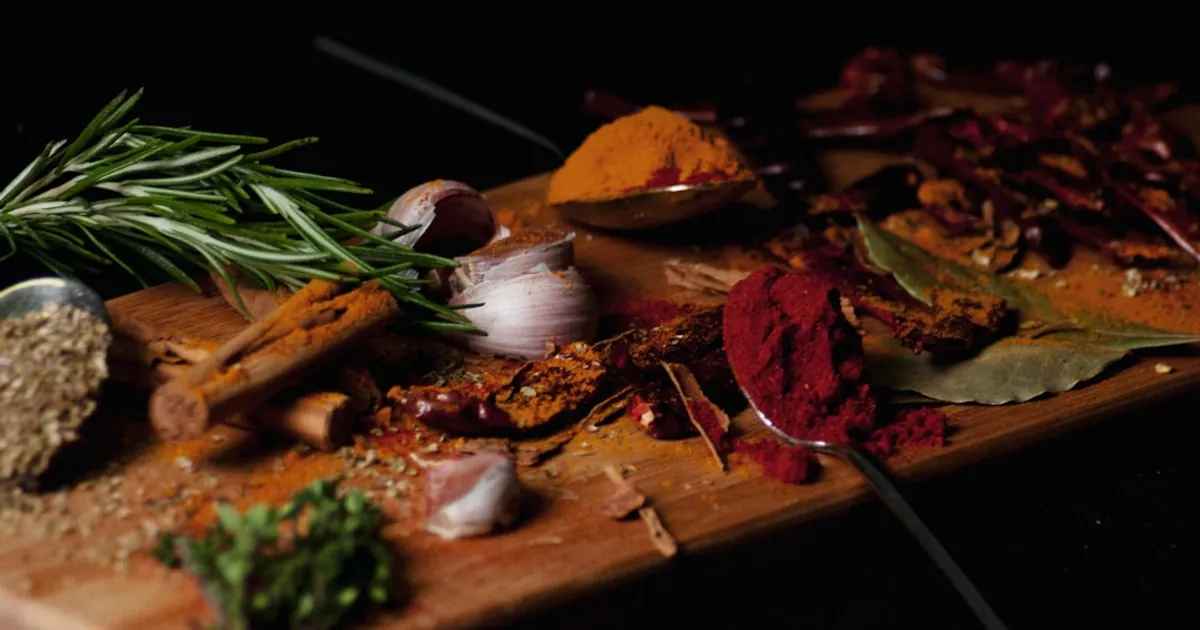
Herbs and spices aren’t just for flavor—they’re powerful digestive aids that can reduce bloating, cramps, and gas. Many of them contain carminative properties, which means they help expel gas from the digestive tract. Unlike over-the-counter remedies, these natural options work gently without disrupting your gut microbiome. The best part? You can easily add them to meals, teas, or even smoothies for a digestive boost.
One of the most effective herbs for bloating is peppermint. Its menthol content relaxes the muscles of the digestive tract, allowing gas to pass more easily. Studies show that peppermint oil capsules can reduce bloating by up to 50% in people with irritable bowel syndrome (IBS). For a quick fix, sip on peppermint tea after meals or add fresh leaves to salads. Another standout is ginger, which has been used for centuries to treat nausea and indigestion. It speeds up gastric emptying, preventing food from sitting in your stomach and fermenting. Try grating fresh ginger into stir-fries or steeping it in hot water for a soothing tea.
How to Use Digestive Herbs in Everyday Cooking
Incorporating digestive herbs into your meals doesn’t have to be complicated. Here are simple ways to use them daily:
- Turmeric: Add a teaspoon to soups, rice, or smoothies. Its active compound, curcumin, reduces inflammation and supports gut healing.
- Fennel Seeds: Chew a teaspoon after meals to freshen breath and reduce bloating. You can also steep them in hot water for tea.
- Dill: Sprinkle fresh dill on fish, salads, or yogurt. It’s a natural carminative that eases gas and cramps.
- Coriander: Toast coriander seeds and add them to curries or roasted vegetables. They stimulate digestive enzymes, improving nutrient absorption.
- Cardamom: Add a pod to your morning coffee or oatmeal. It relieves indigestion and has a mild diuretic effect.
Teas That Double as Digestive Aids
Herbal teas are one of the easiest ways to incorporate anti-bloating herbs into your routine. Unlike caffeinated beverages, which can dehydrate you and worsen bloating, these teas hydrate and soothe your digestive system. Here are the top picks:
- Peppermint Tea: The gold standard for bloating relief. Sip it after meals to prevent gas buildup.
- Ginger Tea: Grate fresh ginger into hot water and add lemon for a zesty, anti-inflammatory drink.
- Chamomile Tea: Calms the digestive tract and reduces stress-related bloating. Perfect before bedtime.
- Dandelion Root Tea: A natural diuretic that helps flush out excess water. It also supports liver health.
- Fennel Tea: Steep fennel seeds in hot water for a licorice-flavored tea that eases cramps and bloating.
Foods to Avoid If You’re Prone to Bloating

While adding anti-bloating foods to your diet is crucial, avoiding triggers is just as important. Some foods are notorious for causing gas, water retention, or inflammation, even in people with healthy guts. The key is identifying your personal triggers—what bloats one person might not affect another. However, there are common culprits that tend to cause issues for most people. For example, high-FODMAP foods (fermentable oligosaccharides, disaccharides, monosaccharides, and polyols) are poorly absorbed in the small intestine and ferment in the colon, leading to gas and bloating. These include foods like onions, garlic, and certain fruits.
Another major trigger is processed foods, which are often high in sodium, artificial sweeteners, and preservatives. Sodium causes water retention, while artificial sweeteners like sorbitol and xylitol can ferment in the gut, leading to gas. Carbonated drinks are another common offender—they introduce excess air into your digestive system, which can get trapped and cause bloating. Even healthy foods like beans and cruciferous vegetables (broccoli, cauliflower) can cause bloating if your gut isn’t used to them. The solution? Introduce them gradually and pair them with digestive aids like ginger or fennel.
High-FODMAP Foods That May Trigger Bloating
If you suspect FODMAPs are causing your bloating, try eliminating these foods temporarily and reintroducing them one by one to identify triggers:
- Onions and Garlic: High in fructans, which ferment in the gut. Use garlic-infused oil or chives as alternatives.
- Apples and Pears: Contain excess fructose, which can cause gas. Opt for berries or citrus fruits instead.
- Beans and Lentils: Rich in oligosaccharides, which are hard to digest. Soak them overnight and rinse well before cooking.
- Dairy (for lactose-intolerant individuals): Lactose can ferment in the gut. Choose lactose-free options or fermented dairy like kefir.
- Wheat and Rye: Contain fructans. Try gluten-free grains like quinoa or rice.
Hidden Bloating Triggers in “Healthy” Foods
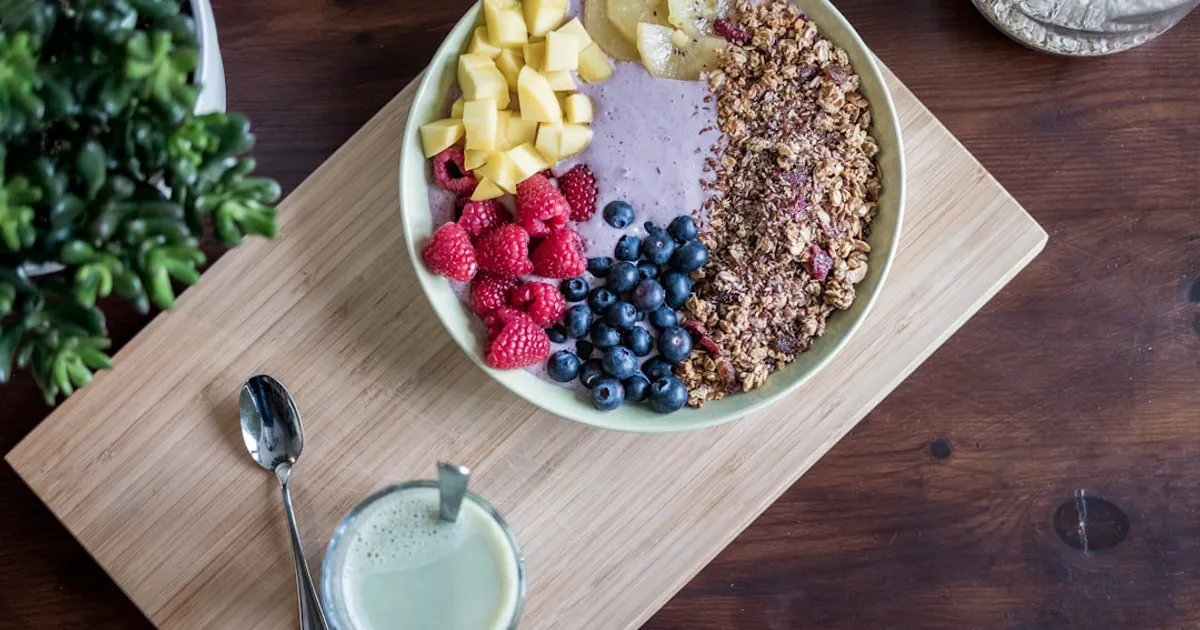
Even foods marketed as healthy can cause bloating if you’re sensitive to them. Here are some surprising triggers:
- Sugar Alcohols: Found in sugar-free gum, protein bars, and diet drinks. Look for ingredients like xylitol, sorbitol, or maltitol.
- Cruciferous Vegetables: Broccoli, cauliflower, and Brussels sprouts are high in raffinose, a sugar that ferments in the gut. Cook them to make them easier to digest.
- Carbonated Drinks: Even sparkling water can introduce excess air into your digestive system. Opt for still water or herbal teas.
- Processed Gluten-Free Foods: Often high in gums and fillers like xanthan gum, which can cause bloating. Stick to naturally gluten-free foods like rice or potatoes.
- High-Sodium Foods: Canned soups, deli meats, and frozen meals can cause water retention. Read labels and choose low-sodium options.
Meal Planning Tips to Prevent Bloating Before It Starts
Preventing bloating isn’t just about what you eat—it’s also about how you eat. Even the healthiest foods can cause discomfort if you’re eating too quickly, overeating, or combining the wrong ingredients. The good news is that small tweaks to your eating habits can make a big difference. For example, chewing slowly allows your saliva to break down food more efficiently, reducing the workload on your stomach. It also gives your brain time to register fullness, preventing overeating. Another pro tip? Avoid drinking large amounts of water during meals. While hydration is crucial, chugging water while eating can dilute stomach acid, slowing digestion and leading to bloating.
Meal timing also plays a role. Eating large meals late at night can disrupt digestion, as your body’s metabolic processes slow down during sleep. Instead, aim to finish dinner at least 2–3 hours before bedtime. If you’re prone to bloating, try smaller, more frequent meals throughout the day to avoid overwhelming your digestive system. Pairing foods strategically can also help—for example, combining protein with non-starchy vegetables (like chicken with spinach) can improve digestion, while pairing carbs with healthy fats (like sweet potato with avocado) can slow down glucose absorption, preventing blood sugar spikes that contribute to bloating.
Sample Anti-Bloating Meal Plan for a Day
Here’s a simple, gut-friendly meal plan to keep bloating at bay:
- Breakfast: Overnight oats with chia seeds, blueberries, and almond butter. Top with a sprinkle of cinnamon for extra digestive support.
- Snack: Greek yogurt with a handful of walnuts and a drizzle of honey. The probiotics in yogurt aid digestion, while walnuts provide healthy fats.
- Lunch: Grilled salmon with quinoa and steamed asparagus. Salmon is rich in omega-3s, which reduce inflammation, while asparagus acts as a natural diuretic.
- Snack: Sliced cucumber with hummus. Cucumber hydrates and reduces water retention, while hummus provides fiber and protein.
- Dinner: Stir-fried tofu with bok choy, ginger, and brown rice. Ginger aids digestion, while bok choy is low-FODMAP and easy to digest.
- Dessert: A small bowl of papaya with lime juice. Papaya contains papain, an enzyme that breaks down protein and reduces bloating.
How to Combine Foods for Optimal Digestion
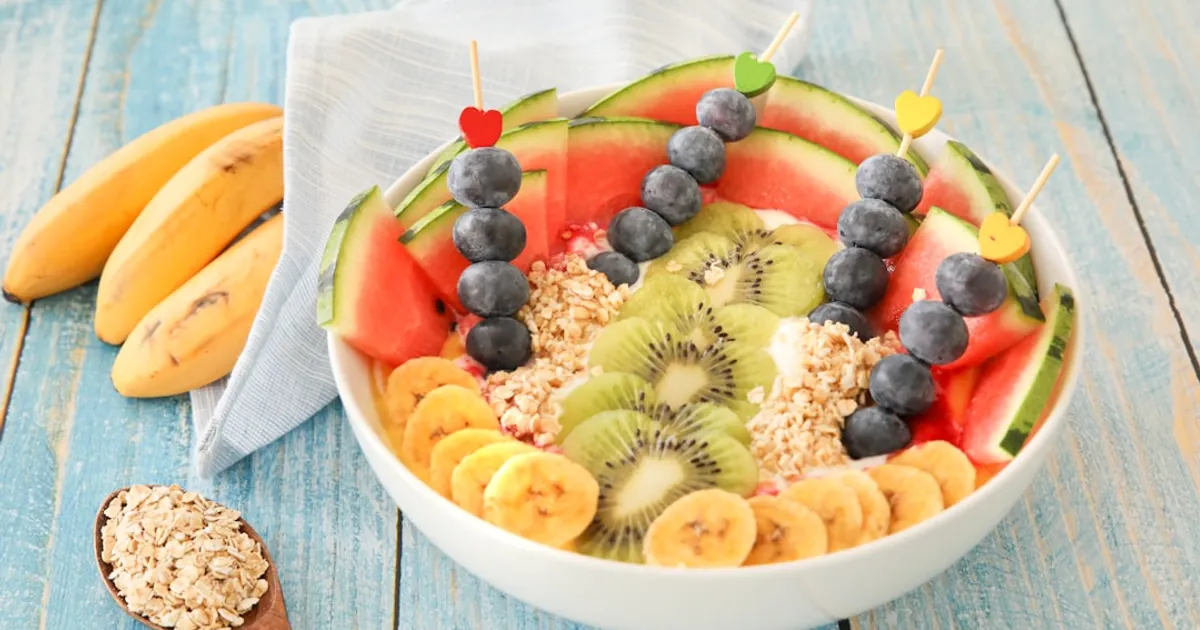
Food combining isn’t about strict rules—it’s about pairing foods in ways that support digestion. Here are some science-backed tips:
- Pair Protein with Non-Starchy Vegetables: Protein takes longer to digest, so pairing it with low-FODMAP veggies (like zucchini or spinach) prevents fermentation in the gut.
- Avoid Mixing Starches with Protein: Starchy foods (like potatoes or bread) digest quickly, while protein digests slowly. Combining them can cause bloating as the starch ferments while waiting for the protein to break down.
- Eat Fruit Alone or Before Meals: Fruit digests quickly, so eating it with other foods can cause it to ferment in your stomach. Enjoy it as a snack or 30 minutes before meals.
- Add Healthy Fats to Carbs: Fats slow down the digestion of carbs, preventing blood sugar spikes. For example, pair an apple with almond butter or avocado with toast.
- Include Digestive Aids in Every Meal: Add ginger, turmeric, or fennel to meals to stimulate digestion and reduce bloating.
Key Takeaways for a Bloat-Free Life
- Anti-bloating foods work by improving digestion, reducing gas, and supporting gut health. Focus on soluble fiber, probiotics, and natural diuretics.
- Fermented foods like kefir, sauerkraut, and kimchi introduce beneficial bacteria that reduce bloating and improve gut balance.
- Herbs and spices like ginger, peppermint, and fennel soothe the digestive tract and prevent gas buildup.
- Avoid high-FODMAP foods, processed snacks, and carbonated drinks, which are common bloating triggers.
- Meal timing, portion control, and food combining can prevent bloating before it starts. Chew slowly and avoid drinking large amounts of water during meals.
- Hydrating foods like cucumber, celery, and watermelon help flush out excess water and reduce bloating.
- Gradually introduce fiber-rich foods to allow your gut to adapt, and pair them with digestive aids like ginger or fennel.
“The gut is often called the ‘second brain’ for a reason—it plays a crucial role in overall health, including digestion and immunity. Anti-bloating foods don’t just reduce discomfort; they create a thriving environment for beneficial bacteria, which in turn supports everything from mood to metabolism. The key is consistency. Small, daily choices—like swapping soda for herbal tea or adding ginger to meals—can lead to long-term gut health and a flatter stomach.”
— Dr. Megan Rossi, Registered Dietitian and Gut Health Expert, King’s College London
Frequently Asked Questions
Can anti-bloating foods help with IBS?
Yes, many anti-bloating foods are also recommended for IBS (Irritable Bowel Syndrome) management. Foods like ginger, peppermint, and soluble fiber (found in oats and bananas) can ease symptoms by reducing inflammation and improving gut motility. However, IBS triggers vary by person, so it’s best to work with a dietitian to identify your specific sensitivities. The low-FODMAP diet, which eliminates certain fermentable carbs, is often used as a starting point for IBS sufferers.
How long does it take for anti-bloating foods to work?
The timeline varies depending on the cause of your bloating. If you’re dealing with occasional bloating from a heavy meal, you might notice relief within a few hours after eating digestive aids like ginger or peppermint tea. For chronic bloating, it can take 2–4 weeks of consistent dietary changes to see significant improvements. This is because your gut microbiome needs time to rebalance, and your digestive system needs to adapt to new foods. Keep a food diary to track what works best for you.
Are there any side effects of eating too many anti-bloating foods?
While anti-bloating foods are generally safe, overdoing certain ones can cause issues. For example, consuming too much fiber too quickly can lead to gas and bloating—ironically, the very problem you’re trying to solve. Similarly, excessive intake of diuretic foods like asparagus or dandelion tea can lead to dehydration or electrolyte imbalances. Probiotic-rich foods like kimchi or kefir may cause temporary gas or bloating as your gut adjusts to the new bacteria. The key is moderation and gradual introduction.
Can I eat anti-bloating foods if I have food allergies?
Absolutely, but you’ll need to tailor the list to your specific allergies. For example, if you’re allergic to dairy, opt for coconut yogurt or almond-based kefir instead of traditional dairy probiotics. If you have a nightshade allergy, avoid tomatoes and peppers, but you can still enjoy other anti-bloating foods like cucumbers and ginger. Always read labels carefully and consult an allergist or dietitian to ensure your anti-bloating diet is safe and effective for your needs.
What’s the best time of day to eat anti-bloating foods?
There’s no one-size-fits-all answer, but timing can enhance their effectiveness. For example, starting your day with a probiotic-rich breakfast (like yogurt with chia seeds) sets a positive tone for digestion. Eating hydrating foods like cucumber or watermelon in the afternoon can help combat post-lunch bloating. Herbal teas like peppermint or chamomile are best consumed after meals to aid digestion. If you’re prone to evening bloating, opt for a light dinner with digestive herbs like ginger or turmeric. Listen to your body and adjust based on when you feel most bloated.
Do anti-bloating foods help with weight loss?
While anti-bloating foods aren’t a weight-loss miracle, they can support your goals by reducing water retention and improving digestion. Bloating can make you feel heavier and more sluggish, which might discourage physical activity. By reducing bloating, you’ll feel lighter and more energized, making it easier to stick to a healthy routine. Additionally, many anti-bloating foods—like lean proteins, vegetables, and healthy fats—are also nutrient-dense and low in calories, which can aid weight management. However, they’re not a substitute for a balanced diet and regular exercise.
Can children eat anti-bloating foods?
Yes, but with some adjustments. Children’s digestive systems are still developing, so it’s best to introduce anti-bloating foods gradually. Start with mild options like bananas, oats, and yogurt, which are gentle on young guts. Herbs like ginger and fennel can be introduced in small amounts, such as in teas or soups. Avoid giving children large quantities of high-fiber foods or fermented foods like kimchi, which might be too strong for their systems. Always consult a pediatrician before making significant dietary changes for your child.
Bloating doesn’t have to be a daily struggle. By filling your plate with the right foods, you can transform your digestion, boost your energy, and finally say goodbye to that uncomfortable, puffy feeling. Start small—swap one meal a day for a gut-friendly option, or add a digestive herb to your tea. Over time, these tiny changes will add up to a happier, healthier gut. Your body (and your jeans) will thank you.

