
Modern life demands consistent energy, mental clarity, and a resilient immune system. With long work hours, environmental stressors, irregular sleep, and nutrient-depleted diets becoming increasingly common, supporting the body naturally through food has never been more important. Science continues to confirm that certain nutrient-dense foods—often called superfoods—contain concentrated levels of vitamins, minerals, antioxidants, phytonutrients, and bioactive compounds that help regulate immune responses and improve cellular energy production.
This comprehensive guide explores the best superfoods for immunity and energy, supported by scientific research and expert-backed recommendations. Each section explains how the food works in the body, what nutrients make it powerful, and how to use it effectively in daily meals.
What Strengthens Immunity and Boosts Energy?
The immune system depends heavily on nutrients such as vitamin C, vitamin D, zinc, iron, selenium, and antioxidants to defend against infections and regulate inflammation. According to the World Health Organization, proper nutrition is one of the foundational pillars of immune health. Meanwhile, sustained energy levels depend on efficient mitochondrial function, balanced blood sugar, healthy gut microbiota, and adequate intake of B vitamins and iron, as highlighted by the National Institutes of Health Office of Dietary Supplements.
When superfoods deliver both immune-supporting nutrients and energy-enhancing compounds, they become especially valuable in daily nutrition.
Citrus Fruits: Vitamin C Powerhouses

Citrus fruits such as oranges, lemons, limes, and grapefruits are widely recognized for their high vitamin C content, a critical antioxidant that helps stimulate white blood cell production and protect cells from oxidative stress. The National Institutes of Health confirms that vitamin C plays a key role in immune defense and supports the skin’s barrier function, which acts as the first line of protection against pathogens.
Beyond immunity, vitamin C helps reduce fatigue by improving iron absorption from plant-based foods, making citrus particularly useful for individuals prone to low iron levels. Incorporating citrus into water, salads, or morning meals can enhance both nutrient density and hydration.
Spinach and Leafy Greens: Micronutrient-Rich Foundations

Leafy greens such as spinach, kale, and Swiss chard deliver a combination of vitamin C, vitamin A, iron, magnesium, and folate. Vitamin A is essential for maintaining the structural integrity of respiratory and intestinal linings, according to the Harvard T.H. Chan School of Public Health. These tissues act as critical barriers against infection.
Iron and magnesium in leafy greens contribute directly to energy metabolism. Iron helps transport oxygen throughout the body, while magnesium participates in over 300 enzymatic reactions, including ATP production, the body’s main energy currency. Light cooking improves nutrient absorption while preserving antioxidant content.
Berries: Antioxidant-Rich Cellular Protectors

Blueberries, strawberries, raspberries, and blackberries are rich in flavonoids and anthocyanins, compounds shown to reduce oxidative stress and support immune signaling. Research published by the American Heart Association highlights how berry antioxidants improve vascular health, indirectly enhancing oxygen delivery and energy levels.
Chronic inflammation can drain energy reserves over time. By lowering inflammatory markers, berries help maintain stable energy output throughout the day. Adding berries to oatmeal, yogurt, or smoothies provides a naturally sweet source of immune-supportive phytonutrients.
Garlic: Natural Immune Enhancer

Garlic contains allicin, a sulfur compound known for antimicrobial and immune-modulating properties. According to research referenced by the Cleveland Clinic, garlic may help reduce the severity and duration of common infections by enhancing immune cell activity.
Garlic also supports cardiovascular health, which improves circulation and energy distribution throughout the body. Crushing or chopping garlic and allowing it to rest before cooking maximizes allicin formation.
Ginger: Anti-Inflammatory and Circulation Booster
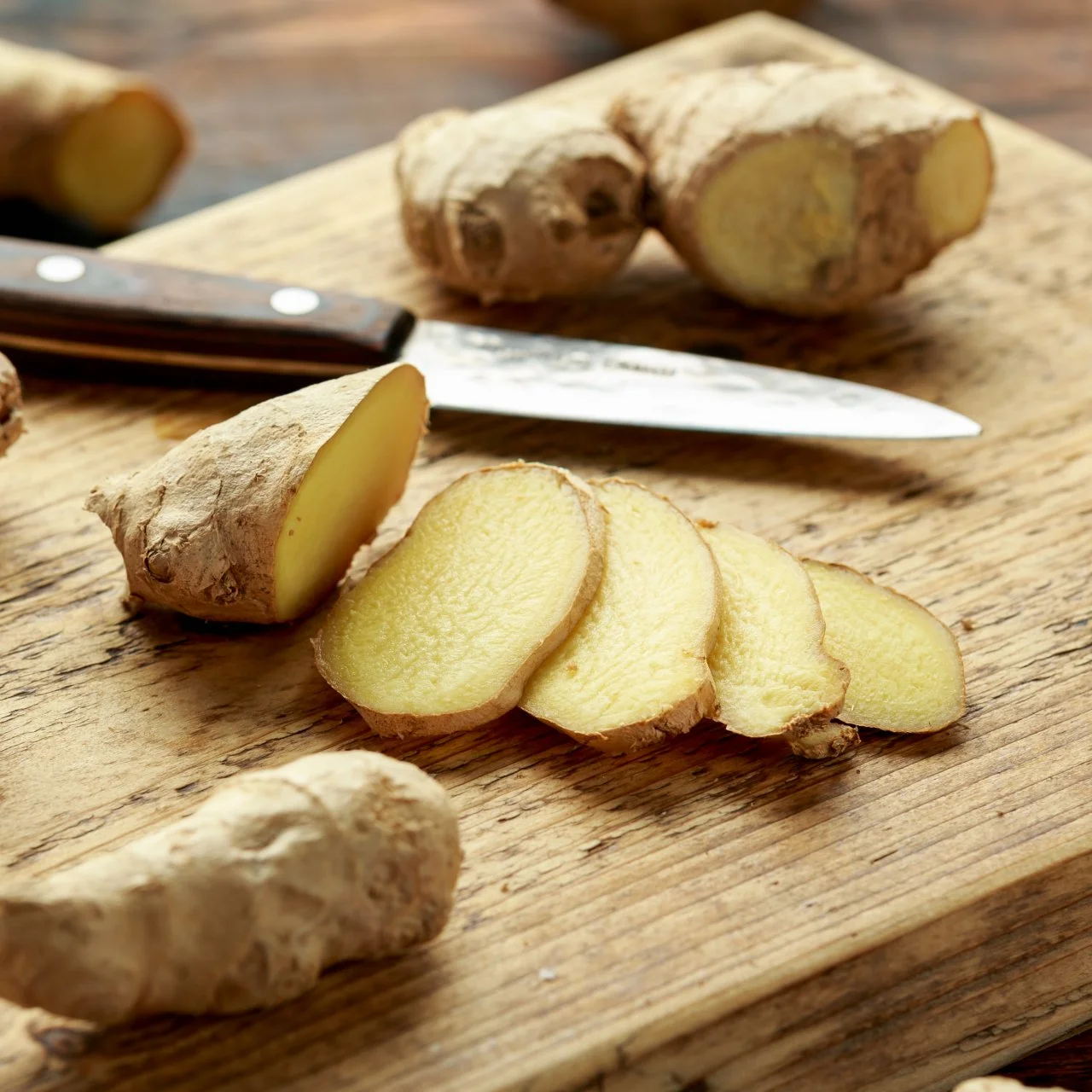
Ginger contains bioactive compounds such as gingerol, which demonstrate anti-inflammatory and antioxidant effects. The Johns Hopkins Medicine resource outlines ginger’s role in reducing inflammation and supporting digestion.
Improved digestion enhances nutrient absorption, which in turn supports consistent energy levels. Ginger tea, grated ginger in stir-fries, or blended ginger in smoothies can support daily immune resilience.
Greek Yogurt and Fermented Foods: Gut-Immune Connection

Nearly 70% of immune cells reside in the gut, making gut health a major factor in immunity. Probiotic-rich foods such as Greek yogurt, kefir, kimchi, and sauerkraut promote beneficial bacteria growth. The National Center for Complementary and Integrative Health explains how probiotics help maintain immune balance and support digestion.
Improved gut health enhances nutrient absorption and reduces systemic inflammation, both of which contribute to steady energy production.
Nuts and Seeds: Energy-Dense Nutritional Power

Almonds, walnuts, sunflower seeds, and chia seeds provide healthy fats, vitamin E, zinc, and plant-based protein. Vitamin E acts as an antioxidant that protects immune cells from oxidative damage, according to the Office of Dietary Supplements.
The healthy fats in nuts and seeds support stable blood sugar levels, preventing energy crashes. A small handful daily can deliver sustained energy without excessive calories.
Fatty Fish: Vitamin D and Omega-3 Support

Salmon, mackerel, and sardines are rich in omega-3 fatty acids and vitamin D, both crucial for immune regulation. The Harvard School of Public Health notes vitamin D’s role in activating immune defenses and reducing excessive inflammation.
Omega-3s support brain health and reduce fatigue associated with chronic inflammation, making fatty fish a dual-purpose superfood for immunity and mental energy.
Green Tea: Antioxidant and Metabolic Booster

Green tea contains epigallocatechin gallate (EGCG), a powerful antioxidant that supports immune function. According to research summarized by the National Library of Medicine, green tea polyphenols contribute to immune modulation and metabolic efficiency.
Unlike coffee, green tea provides moderate caffeine combined with L-theanine, promoting alertness without sharp crashes.
Superfoods Comparison Table for Immunity and Energy
| Superfood | Key Nutrients | Immune Benefit | Energy Benefit | Best Way to Consume |
|---|---|---|---|---|
| Citrus Fruits | Vitamin C | Supports white blood cells | Improves iron absorption | Fresh juice or slices |
| Spinach | Iron, Magnesium | Supports immune barriers | Enhances oxygen transport | Lightly steamed |
| Berries | Anthocyanins | Reduces inflammation | Supports circulation | Fresh or frozen |
| Garlic | Allicin | Enhances immune response | Improves blood flow | Raw or lightly cooked |
| Ginger | Gingerol | Anti-inflammatory | Aids digestion | Tea or grated fresh |
| Yogurt | Probiotics | Gut immune support | Better nutrient absorption | Plain, unsweetened |
| Nuts & Seeds | Vitamin E, Zinc | Protects immune cells | Sustained energy | Raw or roasted |
| Fatty Fish | Vitamin D, Omega-3 | Regulates immunity | Brain and cellular energy | Grilled or baked |
| Green Tea | EGCG | Antioxidant support | Smooth mental alertness | Brewed fresh |
How to Combine Superfoods for Maximum Benefit
Pairing vitamin C–rich foods with iron sources enhances absorption. Combining healthy fats from nuts or fish with leafy greens improves fat-soluble vitamin uptake. Including fermented foods with fiber-rich vegetables supports gut microbiome diversity. Balanced meals that combine protein, fiber, and healthy fats help maintain stable glucose levels, preventing energy dips.
Consistency matters more than quantity. Regular inclusion of diverse superfoods creates cumulative benefits for immune resilience and metabolic stability.
Frequently Asked Questions
Which superfood boosts immunity the fastest?
No single food provides instant immunity. However, vitamin C–rich foods such as citrus fruits and antioxidant-rich berries may support immune cell activity quickly when consumed consistently.
Can superfoods replace supplements?
Whole foods provide synergistic nutrients that supplements cannot fully replicate. Supplements may be necessary in deficiency cases but should complement, not replace, nutrient-dense diets.
How long does it take to notice energy improvements?
Improvements in energy often appear within weeks of consistent dietary changes, especially when addressing iron deficiency, dehydration, or blood sugar instability.
Are frozen berries as effective as fresh?
Yes. Frozen berries retain most antioxidants and nutrients when processed quickly after harvesting.
Is green tea better than coffee for energy?
Green tea provides gentler stimulation with fewer crashes due to its L-theanine content, making it suitable for sustained focus.
Conclusion: Building Lasting Immunity and Sustainable Energy
Strengthening immunity and boosting energy is not about a single miracle food but about consistent dietary patterns rooted in nutrient density and balance. Superfoods such as citrus fruits, leafy greens, berries, garlic, ginger, fermented foods, nuts, fatty fish, and green tea provide powerful combinations of antioxidants, vitamins, minerals, and anti-inflammatory compounds that work synergistically to support immune defenses and mitochondrial energy production.
By focusing on variety, whole-food preparation, and balanced meals, it becomes possible to enhance resilience naturally. Small daily changes—adding greens to lunch, choosing berries over processed snacks, replacing sugary drinks with green tea, incorporating fatty fish twice weekly—accumulate into meaningful long-term benefits.
True vitality comes from nourishing the body consistently. With informed food choices and evidence-backed nutrition strategies, sustainable energy and stronger immunity become achievable goals supported by science and practical application.
