
Imagine lying in bed at 11:30 PM, staring at the ceiling while your mind races through tomorrow’s to-do list, that awkward conversation from earlier, and whether you left the stove on. You’ve tried counting sheep, drinking warm milk, and even that “sleep hypnosis” video your cousin swore by—but nothing works. What if the secret to deep, restorative sleep isn’t a quick fix but a science-backed evening routine designed to sync with your body’s natural rhythms? Research shows that the hours leading up to bedtime are just as critical as the sleep itself, influencing everything from memory consolidation to muscle recovery. A well-structured evening routine doesn’t just help you fall asleep faster; it enhances the quality of your rest, so you wake up feeling refreshed instead of groggy. Below, we’ll break down the exact steps to transform your nights—and your mornings—using evidence-based strategies that work with your biology, not against it.
What Is a Science-Based Evening Routine for Deep Sleep?
A science-based evening routine for deep sleep is a structured sequence of activities performed 1–3 hours before bedtime, grounded in neuroscience, circadian biology, and sleep medicine. It aims to lower cortisol, boost melatonin, and prepare the brain and body for slow-wave sleep (SWS) and REM cycles. Unlike generic “sleep tips,” this approach targets the physiological triggers that signal safety and relaxation to your nervous system, such as light exposure, temperature regulation, and neurotransmitter balance. Studies from the National Institutes of Health confirm that consistent pre-sleep rituals improve sleep efficiency by up to 30%, while reducing nighttime awakenings. The key is timing: each step should align with your body’s natural wind-down process, not force it.
Why Your Brain Needs a Pre-Sleep Ritual

Your brain operates on a 24-hour internal clock called the circadian rhythm, which regulates everything from hormone release to body temperature. When this rhythm is disrupted—by late-night screen time, caffeine, or irregular sleep schedules—your brain struggles to transition into deep sleep. A pre-sleep ritual acts as a “bridge” between wakefulness and rest, signaling to your hypothalamus (the brain’s sleep command center) that it’s time to shift gears. For example, dimming lights 90 minutes before bed suppresses cortisol and triggers melatonin production, while gentle movement (like stretching) lowers core body temperature, a prerequisite for sleep onset. Without this ritual, your brain remains in a state of hyperarousal, making deep sleep elusive.
The Role of Neurotransmitters in Sleep Quality
Deep sleep isn’t just about closing your eyes; it’s a complex dance of neurotransmitters like GABA, serotonin, and adenosine. GABA, the brain’s primary inhibitory neurotransmitter, quiets neural activity to promote relaxation, while serotonin (a precursor to melatonin) regulates sleep-wake cycles. Adenosine, which builds up during the day, creates “sleep pressure,” making you feel tired. A science-based evening routine optimizes these chemicals. For instance, magnesium-rich foods (like almonds or spinach) enhance GABA activity, while avoiding screens reduces blue light’s suppression of melatonin. Even the temperature of your bedroom matters: a cooler environment (around 65°F/18°C) helps adenosine bind to receptors more effectively, deepening sleep.
Optimize Light Exposure for Melatonin Production

Light is the most powerful regulator of your circadian rhythm, yet most people unknowingly sabotage their sleep by exposing themselves to the wrong kind at the wrong time. Blue light—emitted by phones, TVs, and LED bulbs—tricks your brain into thinking it’s daytime, delaying melatonin release by up to 3 hours. To counteract this, start dimming lights 2 hours before bed and switch to warm, amber-toned bulbs (2700K or lower). If you must use screens, enable “night mode” or wear blue-light-blocking glasses, which Forbes Health reports can improve sleep quality by 58%. Even better, spend 10–15 minutes outside at sunset to reinforce your natural melatonin cycle. This simple shift can shorten the time it takes to fall asleep by 22%, according to a study in the Journal of Clinical Sleep Medicine.
How to Create a “Light Diet” for Better Sleep
Think of light exposure like a diet: what you consume (and when) directly impacts your sleep. In the morning, seek bright, natural light to reset your circadian clock. By evening, reduce light intensity gradually—like a dimmer switch for your brain. Use blackout curtains or a sleep mask to block external light, especially if you live in an urban area with streetlights. If you wake up during the night, avoid turning on bright lights; instead, use a small, red-hued flashlight (red light has the least impact on melatonin). For shift workers or frequent travelers, consider a light therapy lamp to simulate sunrise and sunset, helping to realign your rhythm.
The Surprising Link Between Light and Cortisol
Cortisol, often called the “stress hormone,” follows a diurnal pattern: it peaks in the morning to wake you up and declines at night. However, exposure to bright light in the evening can cause a second cortisol spike, making it harder to fall asleep. This is why late-night workouts or scrolling through social media can leave you wired. To keep cortisol in check, avoid intense light after 8 PM and opt for candlelight or salt lamps during your wind-down routine. Even the color of your walls matters: warm tones (like beige or soft yellow) reflect less light than cool whites or blues, creating a more sleep-conducive environment.
Temperature Control: The Overlooked Sleep Hack
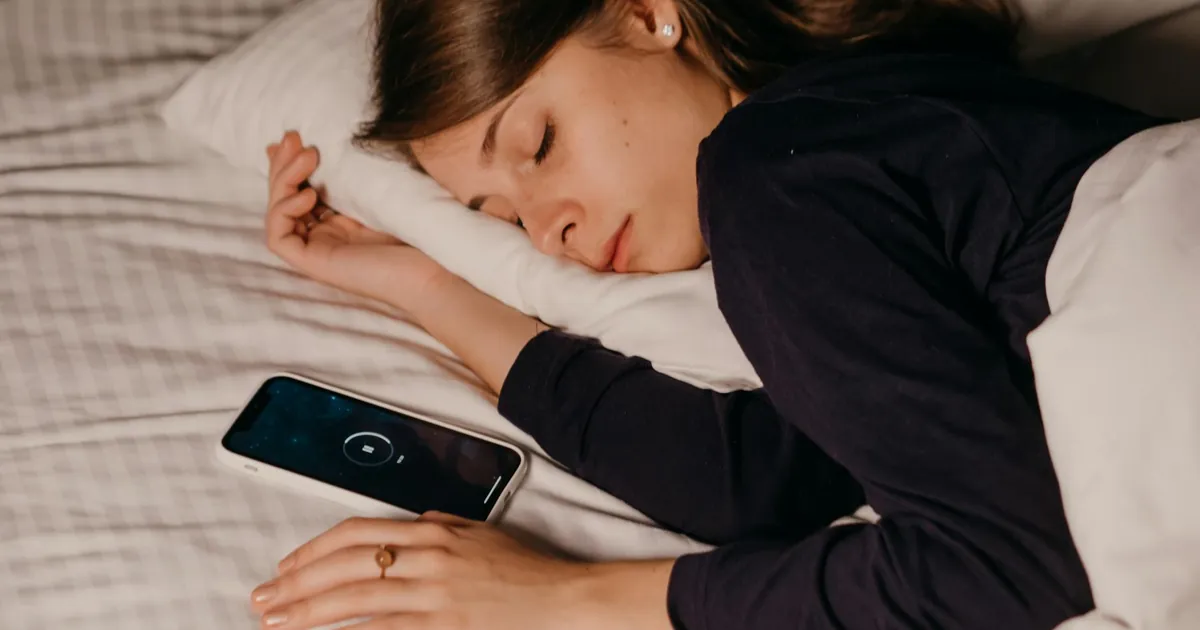
Your body’s core temperature naturally drops by 1–2°F as you prepare for sleep, a process that begins in the late afternoon and reaches its lowest point around 4 AM. Disrupting this drop—by taking a hot shower right before bed or sleeping in a warm room—can delay sleep onset and reduce deep sleep by up to 20%. The ideal bedroom temperature for most people is between 60–67°F (15–19°C), but personal preference plays a role. If you’re a “hot sleeper,” try cooling your bed with a chili pad or breathable bamboo sheets. Conversely, if you’re always cold, wear socks to bed (studies show warm feet help dilate blood vessels, aiding temperature regulation). Even the timing of your shower matters: a warm bath 1–2 hours before bed raises your core temperature, which then drops rapidly, mimicking your body’s natural sleep signal.
How to Cool Your Body Down Naturally
If you don’t have a thermostat, there are simple ways to lower your body temperature before bed. Start by sipping cool (not ice-cold) water throughout the evening to help regulate internal heat. Avoid heavy meals, alcohol, and spicy foods, which can raise core temperature. Instead, opt for a light snack like cherries (a natural melatonin source) or a banana (rich in magnesium). For those who overheat at night, try the “Egyptian method”: dampen a towel with cool water, wring it out, and place it on your forehead or neck for 5–10 minutes. This ancient technique works by drawing heat away from your body, making it easier to drift off.
The Science of “Thermoregulation” and Sleep Stages

Thermoregulation isn’t just about comfort—it’s directly tied to sleep architecture. During deep sleep (SWS), your body repairs tissues and consolidates memories, but this stage is highly sensitive to temperature fluctuations. If your room is too warm, your brain may skip SWS entirely, leaving you feeling unrested. Conversely, a cooler environment promotes longer SWS cycles. This is why athletes often use cryotherapy or ice baths post-workout: the rapid cooling helps them fall asleep faster and recover more efficiently. For non-athletes, a simple trick is to keep your hands and feet uncovered, as these areas release the most heat. If you share a bed, consider separate blankets to avoid overheating from your partner’s body heat.
Nutrition and Hydration Strategies for Overnight Recovery
What you eat and drink in the evening can make or break your sleep quality. Heavy, fatty meals take longer to digest, increasing the risk of acid reflux or discomfort, while sugary snacks cause blood sugar spikes that disrupt sleep. Instead, focus on foods rich in tryptophan (a precursor to serotonin), magnesium, and potassium, such as turkey, pumpkin seeds, or oatmeal. A small, balanced snack 30–60 minutes before bed—like Greek yogurt with honey or a handful of walnuts—can stabilize blood sugar and prevent midnight awakenings. Hydration is equally important, but timing matters: drink enough water throughout the day to avoid dehydration, but taper off 1–2 hours before bed to minimize nighttime bathroom trips. Alcohol, while sedating, fragments sleep and blocks REM, so it’s best avoided within 3 hours of bedtime.
The Best (and Worst) Foods for Sleep
Not all bedtime snacks are created equal. Foods that promote sleep include kiwi (rich in antioxidants and serotonin), almonds (a natural source of melatonin), and chamomile tea (which contains apigenin, a compound that binds to GABA receptors). On the flip side, avoid caffeine (even in chocolate or decaf coffee), processed carbs, and high-protein meals close to bedtime, as they can cause digestive distress or overstimulate your brain. If you’re prone to heartburn, skip citrus fruits, tomatoes, and spicy foods. For a quick, science-backed snack, try a banana with almond butter: the potassium and magnesium relax muscles, while the healthy fats keep you satiated.
How Dehydration Disrupts Sleep (and What to Do About It)

Dehydration is a silent sleep saboteur. Even mild dehydration can cause dry mouth, leg cramps, or headaches, all of which can wake you up. However, drinking too much water before bed leads to disruptive bathroom trips. The solution? Sip water consistently throughout the day and include hydrating foods like cucumbers, watermelon, or herbal tea in your evening routine. If you wake up thirsty, keep a glass of water by your bed, but take small sips to avoid overhydrating. For those who struggle with night sweats, coconut water (rich in electrolytes) can help replenish lost fluids without the sugar crash of sports drinks.
Wind-Down Activities to Calm Your Nervous System
Your nervous system operates in two modes: sympathetic (“fight or flight”) and parasympathetic (“rest and digest”). Most people spend their evenings in sympathetic overdrive, thanks to work stress, screens, and caffeine. To shift into parasympathetic mode, incorporate activities that activate the vagus nerve, such as deep breathing, gentle yoga, or progressive muscle relaxation. A 2019 study in Frontiers in Neuroscience found that just 10 minutes of diaphragmatic breathing before bed reduced cortisol levels by 23% and improved sleep quality. Other effective wind-down activities include journaling (to offload racing thoughts), listening to binaural beats (which synchronize brainwaves to a sleep-friendly frequency), or reading a physical book (which reduces mental stimulation compared to screens).
Why Screen Time Is the Enemy of Deep Sleep
Screens aren’t just bad because of blue light—they’re also mentally engaging, keeping your brain in an active state. Scrolling through social media or watching intense TV shows triggers dopamine release, making it harder to “turn off” your mind. Even passive screen time, like background TV, can disrupt sleep by exposing you to unpredictable light and sound. To break the habit, try a “digital sunset” 1 hour before bed: turn off all screens and replace them with analog activities like puzzles, coloring, or listening to a podcast (with the screen off). If you must use a device, switch to grayscale mode to reduce visual stimulation. Over time, your brain will associate these screen-free activities with sleep, making it easier to wind down.
The Power of a “Brain Dump” Journal
Anxiety and racing thoughts are among the top causes of insomnia. A “brain dump” journal—where you write down everything on your mind before bed—can help by externalizing worries and to-do lists. This technique, backed by research from the American Psychological Association, reduces cognitive load and lowers stress hormones. To make it effective, set a timer for 5–10 minutes and write without filtering. Include unfinished tasks, upcoming deadlines, and even random thoughts. Once it’s on paper, your brain no longer needs to “hold onto” the information, freeing up mental space for sleep. For extra relaxation, end your journaling session with a gratitude list: focusing on positive experiences shifts your brain into a calmer state.
Key Takeaways for a Science-Based Evening Routine
- Start dimming lights 2 hours before bed to boost melatonin and lower cortisol.
- Keep your bedroom cool (60–67°F) to support your body’s natural temperature drop.
- Avoid screens 1 hour before bed to prevent blue light from delaying sleep onset.
- Eat sleep-promoting foods (like kiwi or almonds) and avoid heavy meals 3 hours before bed.
- Hydrate throughout the day but taper off 1–2 hours before bed to minimize nighttime awakenings.
- Incorporate wind-down activities like deep breathing, journaling, or gentle yoga to activate the parasympathetic nervous system.
- Consistency is key: stick to your routine even on weekends to reinforce your circadian rhythm.
“Sleep is the single most effective thing you can do to reset your brain and body for health. A science-based evening routine isn’t about perfection—it’s about creating a predictable environment that signals safety to your nervous system. Small, consistent habits compound over time, leading to deeper sleep and better recovery.”
—Dr. Matthew Walker, Professor of Neuroscience and Psychology at UC Berkeley and author of Why We Sleep
Frequently Asked Questions
How long before bed should I start my evening routine?
Ideally, begin your routine 60–90 minutes before bedtime. This gives your body enough time to lower cortisol, raise melatonin, and cool down. If you’re new to a routine, start with 30 minutes and gradually increase as you adjust. The key is consistency: going to bed and waking up at the same time (even on weekends) reinforces your circadian rhythm, making it easier to fall asleep and wake up naturally.
Can I drink caffeine in the evening if I “tolerate” it?
Even if you don’t feel jittery, caffeine can linger in your system for 6–8 hours, disrupting deep sleep. A study in the Journal of Clinical Sleep Medicine found that consuming caffeine 6 hours before bed reduced total sleep time by 1 hour. If you crave a warm drink in the evening, opt for caffeine-free herbal teas like chamomile, valerian root, or peppermint. If you’re sensitive to caffeine, consider cutting it off by 2 PM to give your body ample time to metabolize it.
Is it okay to exercise at night?
It depends on the type and intensity of exercise. Vigorous workouts (like HIIT or heavy lifting) can raise core temperature and adrenaline, making it harder to fall asleep. However, gentle movement—like yoga, stretching, or a leisurely walk—can promote relaxation and improve sleep quality. If you prefer evening workouts, finish at least 3 hours before bed and follow up with a cool shower to lower your body temperature. For more on balancing exercise and recovery, check out this related article on body recomposition.
What if I wake up in the middle of the night?
Waking up briefly during the night is normal, but if you struggle to fall back asleep, avoid checking the clock or turning on bright lights. Instead, try the “4-7-8 breathing method”: inhale for 4 seconds, hold for 7, and exhale for 8. This technique activates the parasympathetic nervous system, slowing your heart rate and promoting relaxation. If you’re still awake after 20 minutes, get out of bed and do something boring (like reading a book) until you feel sleepy. This prevents your brain from associating bed with frustration.
How does alcohol affect deep sleep?
While alcohol may help you fall asleep faster, it fragments sleep and blocks REM, the stage responsible for memory consolidation and emotional regulation. It also disrupts your body’s natural temperature regulation, leading to night sweats or chills. If you drink, limit it to 1–2 servings and finish at least 3 hours before bed. For better alternatives, try tart cherry juice (a natural melatonin source) or warm golden milk (turmeric and almond milk), which contains compounds that support relaxation.
Can a science-based evening routine help with insomnia?
Yes, but it requires patience and consistency. Insomnia is often linked to hyperarousal, where your nervous system stays in “fight or flight” mode. A science-based routine addresses this by lowering stress hormones, optimizing light and temperature, and creating a predictable wind-down process. If you’ve struggled with insomnia for more than a month, consider cognitive behavioral therapy for insomnia (CBT-I), the gold-standard treatment recommended by the National Sleep Foundation. Pairing CBT-I with your evening routine can significantly improve sleep quality over time.
What role does mental health play in sleep quality?
Mental health and sleep are deeply interconnected. Anxiety and depression can disrupt sleep, while poor sleep exacerbates mental health issues, creating a vicious cycle. A science-based evening routine can break this cycle by incorporating stress-reducing activities like mindfulness, gratitude journaling, or progressive muscle relaxation. For more strategies on improving mental health naturally, explore this related article. If sleep problems persist, consult a healthcare provider to rule out underlying conditions like sleep apnea or restless legs syndrome.
Your evening routine isn’t just about the hours before bed—it’s about setting the stage for the next day. By aligning your habits with your body’s natural rhythms, you’re not just improving sleep; you’re enhancing recovery, mood, and cognitive function. Start small: pick one or two strategies from this guide and build from there. Over time, these tiny adjustments will compound into nights of deep, restorative sleep—and mornings where you wake up feeling like the best version of yourself. Ready to transform your nights? Tonight’s the perfect night to begin.

