
Building muscle on a vegetarian diet is not only achievable but highly effective when structured with precision and nutritional awareness. Muscle growth depends primarily on adequate protein intake, sufficient total calories, progressive resistance training, and consistent recovery rather than on whether protein comes from animal or plant sources. When protein intake meets evidence-based recommendations and meals are balanced properly, vegetarian diets can fully support hypertrophy, strength development, and lean mass gains. Scientific research consistently indicates that individuals engaged in resistance training benefit from consuming approximately 1.6 to 2.2 grams of protein per kilogram of body weight daily, ensuring that muscle protein synthesis remains elevated throughout the day. The key is not merely total protein quantity, but also distribution across meals, amino acid diversity, and overall calorie balance.
How Muscle Growth Works and Why Protein Matters

Muscle hypertrophy occurs when resistance training creates small amounts of controlled stress on muscle fibers, triggering repair and adaptation processes that make the fibers thicker and stronger. During this recovery phase, amino acids derived from dietary protein serve as the raw materials required to rebuild damaged tissue. Without sufficient protein intake, muscle protein breakdown can exceed muscle protein synthesis, limiting growth even when training intensity is high. Essential amino acids—especially leucine—play a central role in stimulating muscle protein synthesis, which is why consuming moderate portions of high-quality protein every three to four hours is generally recommended. Plant-based diets can provide all essential amino acids when a variety of foods such as legumes, whole grains, soy products, dairy (for lacto-vegetarians), nuts, and seeds are included regularly.
Determining Your Ideal Protein Intake for Muscle Gain
Protein needs vary based on body weight, training intensity, metabolic rate, and overall goals. A practical approach for muscle gain is to multiply body weight in kilograms by 1.8 to estimate a balanced daily target within the optimal hypertrophy range. For example, a 75 kg individual may aim for approximately 135 grams of protein daily. Distributing this intake across four to five meals improves muscle protein synthesis compared to consuming most protein in a single sitting. Consistency matters more than occasional high-protein days, and total calorie intake must remain slightly above maintenance levels—typically 250 to 400 calories higher—to support new tissue growth without excessive fat gain.
Best High-Protein Vegetarian Foods for Building Muscle

Vegetarian muscle-building diets thrive on diversity. Lentils provide approximately 18 grams of protein per cooked cup along with fiber and iron, making them excellent for sustained energy and recovery. Chickpeas offer around 14 to 15 grams per cup and work well in curries, salads, or blended spreads. Tofu and tempeh, both derived from soybeans, deliver complete protein with around 15 to 20 grams per serving and are particularly valuable due to their high leucine content. Paneer and Greek yogurt are rich in casein protein, which digests slowly and supports overnight muscle repair. Quinoa stands out as a complete plant protein grain, while nuts and seeds contribute moderate protein along with healthy fats that support hormone production, including testosterone regulation.
The Importance of Calorie Surplus and Macronutrient Balance
Protein alone does not build muscle; energy availability is equally critical. If total calorie intake falls below maintenance levels, the body prioritizes survival processes over muscle growth. A moderate calorie surplus ensures that dietary protein can be directed toward tissue repair rather than energy production. Carbohydrates typically make up 45–55% of a muscle-building vegetarian diet because they replenish glycogen stores, enhance training performance, and reduce muscle breakdown during intense sessions. Healthy fats, comprising 20–30% of total intake, support hormone production and overall health. Maintaining this macronutrient balance allows protein to perform its structural function efficiently.
Sample High-Protein Vegetarian Meal Structure
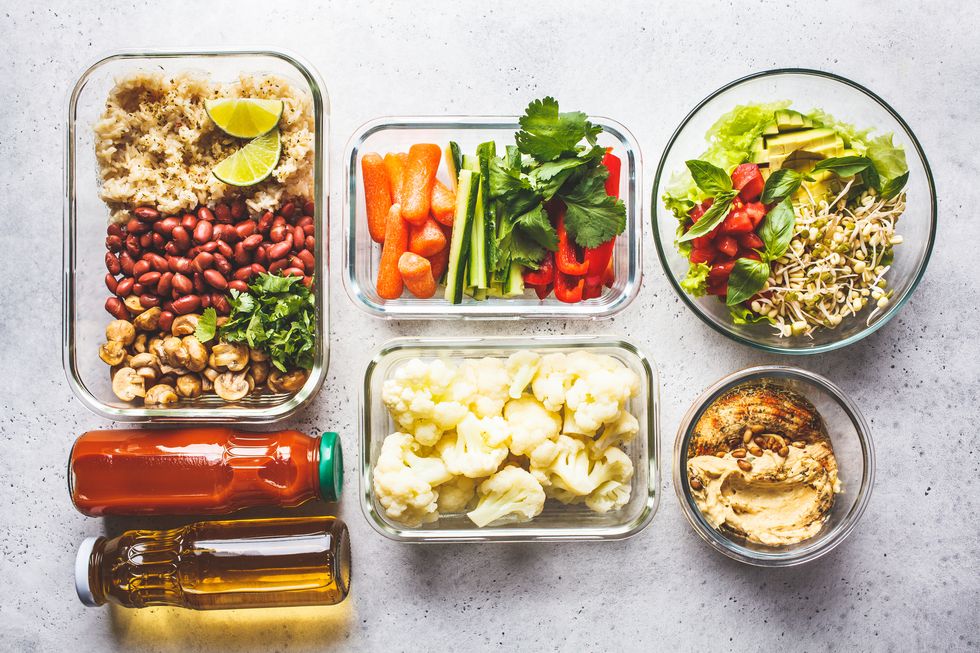
A structured daily plan might begin with a protein-rich breakfast consisting of oats cooked with milk or fortified soy milk, topped with peanut butter and seeds, optionally paired with a scoop of protein powder for additional support. A mid-morning meal may include Greek yogurt with nuts and fruit to provide slow-digesting protein and micronutrients. Lunch can combine brown rice with mixed lentils and paneer or tofu for a balanced protein-carbohydrate ratio. A pre-workout snack such as whole-grain toast with peanut butter and a banana offers energy and moderate protein. After training, a protein shake supports rapid amino acid delivery. Dinner might include whole wheat roti, chickpea curry, and tofu or tempeh stir-fry, ensuring total daily protein targets are achieved.
Comparison of Popular Vegetarian Protein Sources
High-Protein Vegetarian Foods at a Glance
| Food Item | Protein per 100g | Complete Protein | Best Use |
|---|---|---|---|
| Tofu | 15–20g | Yes | Main meals |
| Tempeh | 19g | Yes | High-protein dishes |
| Paneer | 18–20g | Yes | Lunch/Dinner |
| Lentils | 9g (cooked) | No | Combined meals |
| Chickpeas | 8–9g (cooked) | No | Curries/Salads |
| Greek Yogurt | 10g | Yes | Breakfast/Snacks |
| Quinoa | 4g (cooked) | Yes | Carb alternative |
This comparison highlights that several vegetarian foods rival animal protein in density and quality, particularly soy products and dairy options.
Micronutrients That Support Muscle Growth
Vegetarian athletes must pay attention to iron, vitamin B12, vitamin D, calcium, and omega-3 fatty acids. Iron from plant sources is absorbed more efficiently when paired with vitamin C-rich foods. Vitamin B12 may require supplementation in strict vegetarian diets. Vitamin D plays a role in muscle strength and recovery, while omega-3 fatty acids from flaxseeds, chia seeds, and walnuts contribute to anti-inflammatory balance. Ensuring adequate micronutrient intake enhances training performance and recovery capacity.
Frequently Asked Questions
Can muscle be built effectively without meat?
Yes. When total protein intake, calorie surplus, and resistance training are optimized, vegetarian diets fully support muscle hypertrophy.
Is plant protein inferior to animal protein?
While digestibility can differ slightly, consuming a variety of plant proteins ensures adequate essential amino acids, making overall effectiveness comparable.
How long does it take to see results?
With consistent training and proper nutrition, noticeable strength and size improvements typically appear within 8 to 12 weeks.
Is supplementation necessary?
Not always, but protein powder, creatine, vitamin B12, and vitamin D can help fill potential gaps depending on dietary patterns.
Conclusion
A high-protein vegetarian diet for muscle gain is both scientifically sound and practically sustainable. By targeting 1.6–2.2 grams of protein per kilogram of body weight, maintaining a modest calorie surplus, distributing protein evenly across meals, and engaging in structured resistance training, significant lean muscle growth can be achieved without relying on meat or fish. Emphasizing soy products, legumes, dairy (if included), whole grains, nuts, and seeds ensures a complete amino acid profile and robust nutritional foundation. Long-term consistency, progressive training, and balanced nutrition remain the defining factors in successful muscle development, proving that plant-based strategies can support strength, size, and overall athletic performance effectively.
