
A high fiber diet plan isn’t just another fleeting wellness trend—it’s a science-backed strategy that transforms weight management and digestion from frustrating battles into effortless victories. Imagine waking up feeling lighter, your digestion humming smoothly, and those stubborn pounds gradually melting away without extreme calorie counting or restrictive diets. That’s the power of fiber, the unsung hero of nutrition that most people overlook. While protein shakes and keto diets dominate headlines, fiber quietly works behind the scenes, feeding your gut bacteria, stabilizing blood sugar, and keeping hunger at bay for hours. The best part? You don’t need expensive supplements or complicated meal plans to reap the benefits. With the right foods and simple habits, you can harness fiber’s full potential to reshape your body and revitalize your digestive health.
What Is a High Fiber Diet Plan?
A high fiber diet plan is a nutritional approach that prioritizes foods rich in dietary fiber—indigestible plant compounds that pass through your digestive system largely intact. In just 40 words: It’s a way of eating that emphasizes fruits, vegetables, whole grains, legumes, nuts, and seeds to promote satiety, regulate digestion, support gut health, and aid in sustainable weight loss without deprivation.
Fiber comes in two main forms: soluble and insoluble. Soluble fiber dissolves in water to form a gel-like substance, slowing digestion and helping you feel full longer. It’s found in foods like oats, beans, apples, and flaxseeds. Insoluble fiber, on the other hand, adds bulk to stool and speeds up digestion, preventing constipation. You’ll find it in whole wheat, nuts, and many vegetables. Both types are essential, and a well-designed high fiber diet plan includes a balance of both to optimize digestion and weight management.
Unlike crash diets that leave you feeling deprived and sluggish, a high fiber diet plan is sustainable because it focuses on nutrient-dense, whole foods. It doesn’t require you to eliminate entire food groups or count every calorie. Instead, it encourages you to fill your plate with foods that naturally keep you satisfied, reduce cravings, and support a healthy metabolism. For those struggling with bloating or irregular digestion, this approach can be life-changing—especially when combined with anti-bloating foods that further ease digestive discomfort.
How Fiber Aids Weight Management
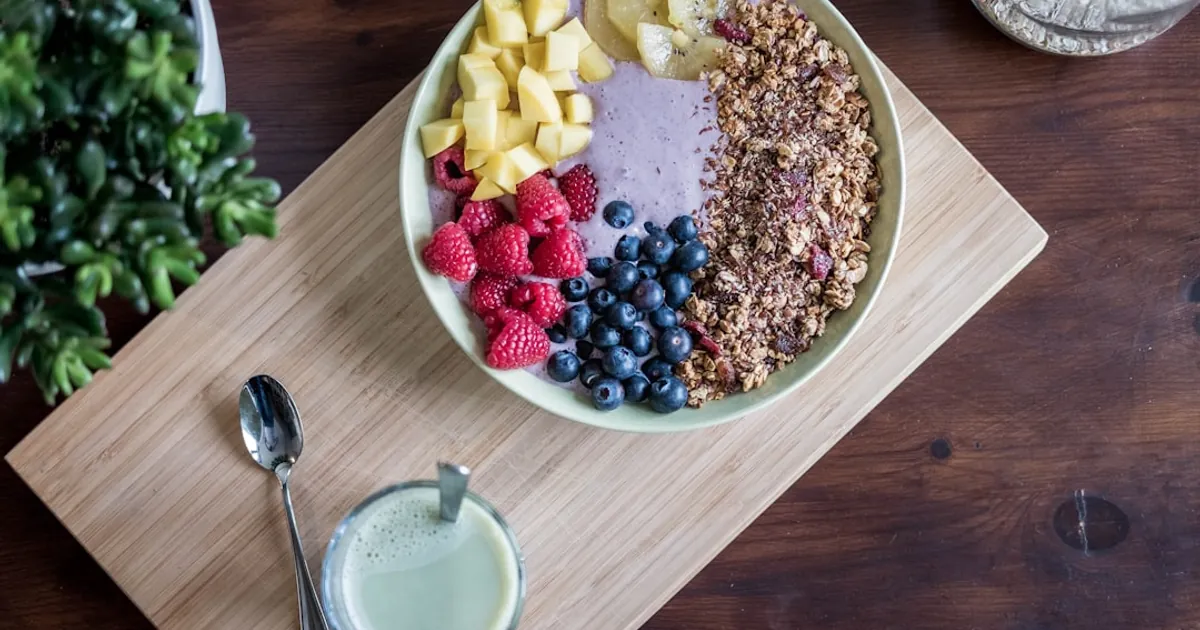
Fiber’s role in weight management goes far beyond simply filling your stomach. It works on multiple levels to help you shed pounds and keep them off. First, fiber-rich foods take longer to chew and digest, which naturally slows down your eating pace and gives your brain time to register fullness. This prevents overeating and reduces the likelihood of mindless snacking. Studies show that people who increase their fiber intake consume fewer calories overall without even trying.
Second, fiber stabilizes blood sugar levels by slowing the absorption of carbohydrates. This prevents the spikes and crashes that lead to cravings and energy slumps. When your blood sugar is steady, you’re less likely to reach for sugary or processed snacks. For those concerned about metabolic health, this is a game-changer, as it aligns with strategies to detect early signs of metabolic syndrome before they escalate.
Third, fiber feeds the beneficial bacteria in your gut, which play a crucial role in weight regulation. A healthy gut microbiome is linked to lower body weight, reduced inflammation, and improved metabolism. When your gut bacteria thrive, they produce short-chain fatty acids that help regulate fat storage and appetite hormones. This means that a high fiber diet plan doesn’t just help you lose weight—it helps you maintain a healthy weight long-term by creating an internal environment that supports fat loss.
Fiber’s Impact on Appetite Hormones
One of the most fascinating ways fiber aids weight management is through its influence on appetite hormones. Ghrelin, often called the “hunger hormone,” signals your brain when it’s time to eat. Fiber-rich meals suppress ghrelin production, reducing hunger pangs and helping you feel satisfied for longer. At the same time, fiber increases the production of peptide YY (PYY), a hormone that promotes satiety and slows digestion.
This hormonal balance is why people on high fiber diets often report fewer cravings and less frequent snacking. Unlike low-calorie diets that leave you constantly thinking about food, a fiber-focused approach helps you feel naturally full and energized. It’s a sustainable way to manage weight without the mental fatigue of restrictive eating.
Fiber and Fat Absorption
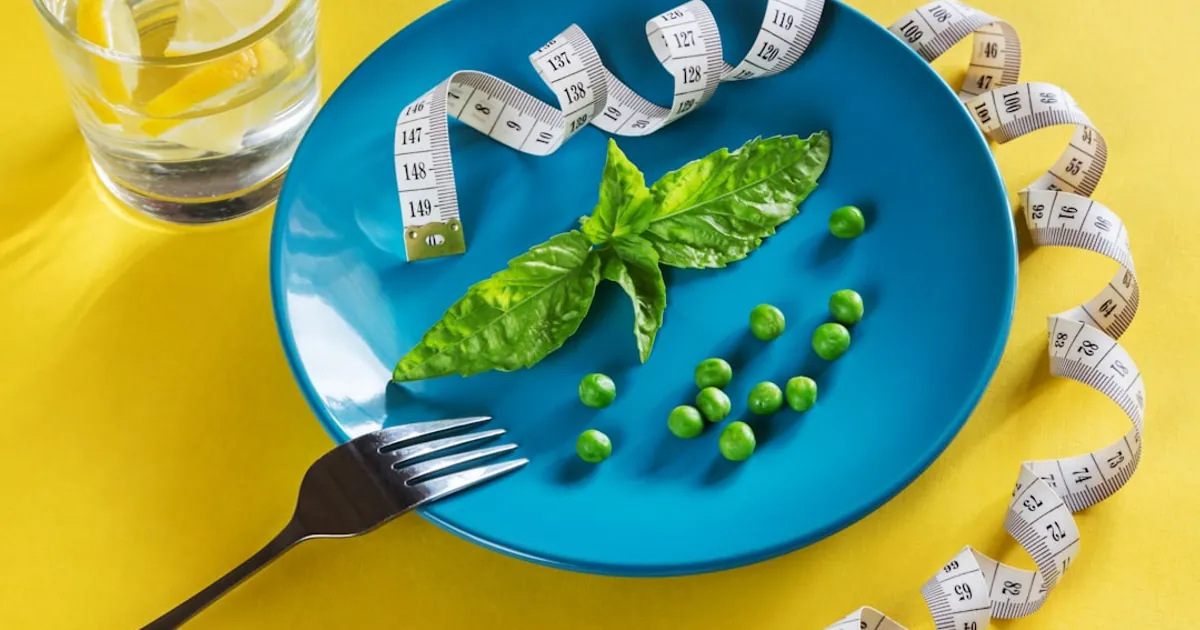
Fiber doesn’t just fill you up—it also helps your body absorb fewer calories from the food you eat. Soluble fiber binds to fat molecules in your digestive tract, reducing their absorption and helping them pass through your system. This means that even if you consume the same number of calories, a high fiber diet can result in fewer net calories being absorbed by your body.
Research published in the Journal of Nutrition found that increasing fiber intake by just 14 grams per day was associated with a 10% decrease in calorie intake and a weight loss of 4.2 pounds over four months. This effect is particularly beneficial for those looking to lose weight without drastically cutting calories or following fad diets. It’s a simple, science-backed strategy that delivers real results.
Top High Fiber Foods for Digestion and Weight Loss
Not all fiber sources are created equal. Some foods pack a bigger punch when it comes to digestion and weight management. Here are the top high fiber foods to include in your diet plan, along with their unique benefits:
- Legumes: Lentils, chickpeas, black beans, and kidney beans are fiber powerhouses, offering 7–10 grams per half-cup serving. They’re also rich in protein, making them ideal for plant-based diets. Their soluble fiber content helps stabilize blood sugar and keeps you full for hours.
- Whole Grains: Quinoa, brown rice, oats, and whole wheat bread provide 3–5 grams of fiber per serving. Unlike refined grains, they retain their bran and germ, which are packed with nutrients and fiber. Oats, in particular, contain beta-glucan, a type of soluble fiber that lowers cholesterol and promotes gut health.
- Vegetables: Broccoli, Brussels sprouts, carrots, and artichokes are excellent sources of both soluble and insoluble fiber. A single artichoke contains a whopping 10 grams of fiber, while a cup of cooked broccoli provides 5 grams. These vegetables are also low in calories, making them perfect for weight loss.
- Fruits: Raspberries, pears, apples, and avocados are fiber-rich fruits that support digestion. A medium apple with skin contains 4.4 grams of fiber, while a cup of raspberries offers 8 grams. Avocados are unique because they’re high in both fiber and healthy fats, which enhance satiety.
- Nuts and Seeds: Chia seeds, flaxseeds, almonds, and pistachios are packed with fiber and healthy fats. Just two tablespoons of chia seeds provide 10 grams of fiber, while a quarter-cup of almonds offers 4 grams. These foods are perfect for snacking or adding to meals for an extra fiber boost.
Incorporating these foods into your daily meals doesn’t have to be complicated. Start your day with a bowl of oatmeal topped with raspberries and chia seeds, enjoy a lentil soup for lunch, and snack on an apple with almond butter in the afternoon. Small changes like these can add up to significant improvements in digestion and weight management over time.
Designing Your High Fiber Meal Plan
Creating a high fiber meal plan doesn’t mean overhauling your entire diet overnight. Instead, focus on gradual changes that make fiber a natural part of your daily routine. Start by setting a goal to consume at least 25–38 grams of fiber per day, depending on your age and gender. Women should aim for 25 grams, while men should target 38 grams. If you’re currently eating a low-fiber diet, increase your intake slowly to avoid digestive discomfort like bloating or gas.
Breakfast is the perfect opportunity to kickstart your fiber intake. Swap refined cereals for oatmeal or a smoothie made with spinach, banana, and flaxseeds. For lunch, opt for a salad loaded with vegetables, beans, and whole grains, or a wrap made with whole wheat tortillas and hummus. Dinner could include a stir-fry with quinoa, broccoli, and tofu, or a hearty vegetable soup with a side of whole grain bread.
Snacks are another easy way to boost your fiber intake. Instead of reaching for chips or cookies, choose fiber-rich options like air-popped popcorn, roasted chickpeas, or a handful of nuts. These snacks not only satisfy cravings but also keep you full between meals. For more ideas on maintaining a balanced diet, check out these daily healthy lifestyle habits that complement a high fiber approach.
Sample 7-Day High Fiber Meal Plan
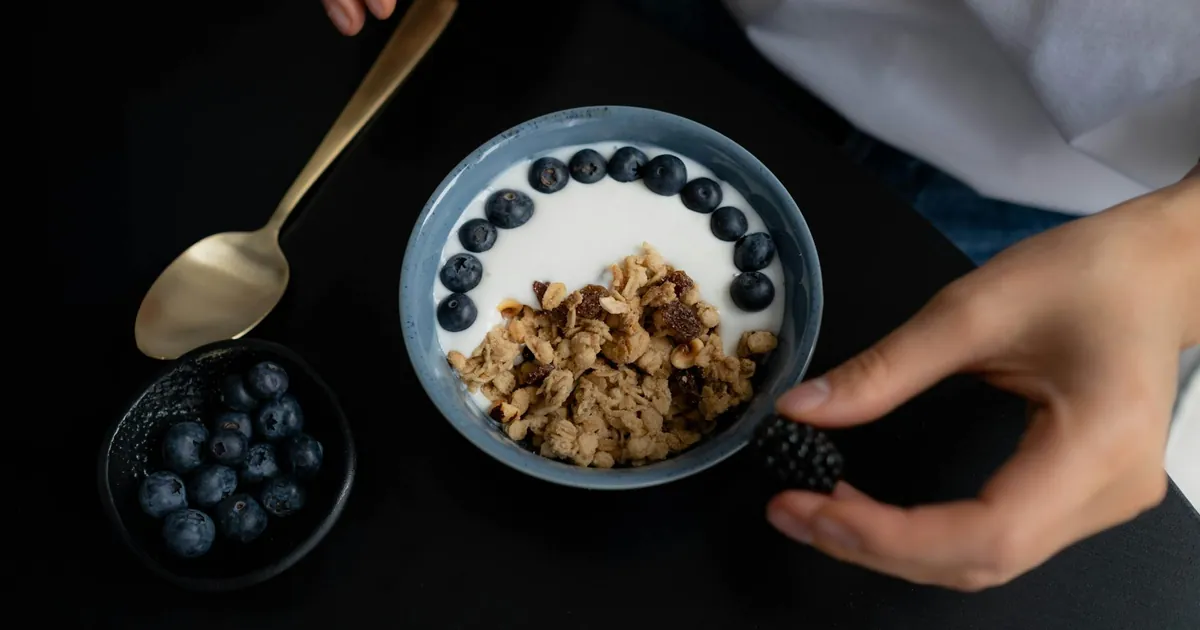
Here’s a simple 7-day meal plan to help you get started. Each day provides at least 30 grams of fiber, along with a balance of protein, healthy fats, and complex carbohydrates:
| Day | Breakfast | Lunch | Dinner | Snacks |
|---|---|---|---|---|
| Monday | Oatmeal with chia seeds, almonds, and berries | Quinoa salad with black beans, avocado, and mixed greens | Grilled salmon with roasted Brussels sprouts and brown rice | Apple with peanut butter |
| Tuesday | Greek yogurt with flaxseeds and raspberries | Lentil soup with whole grain bread | Stir-fried tofu with broccoli and quinoa | Carrot sticks with hummus |
| Wednesday | Smoothie with spinach, banana, and flaxseeds | Chickpea and avocado wrap with whole wheat tortilla | Baked chicken with roasted sweet potatoes and green beans | Handful of almonds |
| Thursday | Avocado toast on whole grain bread with a side of berries | Vegetable and bean chili with a side salad | Grilled shrimp with quinoa and asparagus | Pear with walnuts |
| Friday | Chia pudding with almond milk and mixed berries | Whole grain pasta with marinara sauce, lentils, and spinach | Baked cod with roasted carrots and wild rice | Air-popped popcorn |
| Saturday | Scrambled eggs with whole wheat toast and sautéed mushrooms | Black bean and sweet potato tacos on corn tortillas | Grilled turkey burger with a side of coleslaw (no mayo) | Celery sticks with almond butter |
| Sunday | Whole grain pancakes with blueberries and a drizzle of honey | Mediterranean bowl with quinoa, chickpeas, cucumber, and olives | Stuffed bell peppers with ground turkey and brown rice | Handful of pistachios |
Tips for Staying Hydrated on a High Fiber Diet
Fiber works best when you’re properly hydrated. Without enough water, fiber can actually worsen constipation by absorbing moisture from your digestive tract. Aim to drink at least 8–10 cups of water daily, and more if you’re active or live in a hot climate. Herbal teas, infused water, and broth-based soups are also great ways to stay hydrated while boosting your fiber intake.
If you’re new to a high fiber diet, start by increasing your water intake gradually. Pay attention to your body’s signals—dark urine, headaches, or fatigue can be signs of dehydration. Pairing fiber-rich meals with plenty of fluids ensures that fiber moves smoothly through your digestive system, preventing discomfort and maximizing its benefits.
Common Mistakes to Avoid
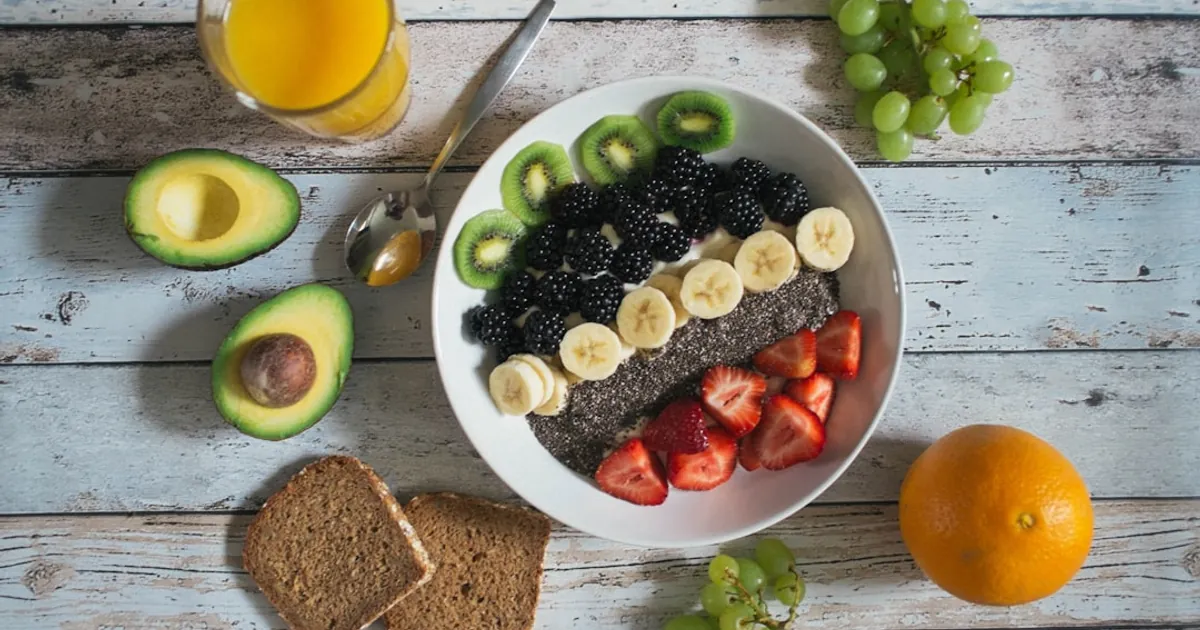
While a high fiber diet plan offers numerous benefits, it’s easy to make mistakes that can undermine your progress. One of the most common errors is increasing fiber intake too quickly. Jumping from 10 grams to 30 grams overnight can lead to bloating, gas, and stomach cramps. Instead, aim to add 5 grams of fiber per day until you reach your goal. This gives your digestive system time to adjust and minimizes discomfort.
Another mistake is relying on processed “high fiber” products like fiber bars or cereals. While these can be convenient, they often contain added sugars, artificial ingredients, or excessive amounts of isolated fibers like inulin, which can cause digestive upset. Whole foods are always the best source of fiber, as they provide a natural balance of nutrients and fiber types.
Finally, don’t forget to pair fiber with adequate hydration. As mentioned earlier, fiber absorbs water, so drinking plenty of fluids is essential for preventing constipation. If you’re increasing your fiber intake but not drinking enough water, you may experience the opposite of what you’re trying to achieve—sluggish digestion and discomfort.
Key Takeaways
- A high fiber diet plan supports weight management by promoting satiety, stabilizing blood sugar, and feeding beneficial gut bacteria.
- Fiber comes in two forms—soluble and insoluble—both of which are essential for digestion and overall health.
- Top high fiber foods include legumes, whole grains, vegetables, fruits, nuts, and seeds, all of which are nutrient-dense and low in calories.
- Gradually increasing fiber intake and staying hydrated are key to avoiding digestive discomfort.
- A well-designed high fiber meal plan includes a variety of fiber sources and balances macronutrients for optimal results.
- Common mistakes include increasing fiber too quickly, relying on processed fiber products, and neglecting hydration.
- Combining a high fiber diet with other healthy habits, like those found in daily lifestyle tips, enhances long-term success.
“Fiber is the cornerstone of a healthy diet, yet most people fall short of the recommended intake. A high fiber diet plan isn’t just about digestion—it’s about creating a foundation for sustainable weight loss, metabolic health, and overall well-being. The key is to focus on whole, minimally processed foods and make gradual changes that become lifelong habits.”
— Dr. Sarah Johnson, Registered Dietitian and Gut Health Expert
Frequently Asked Questions

Can a high fiber diet help with bloating?
Yes, but it depends on how you introduce fiber into your diet. While fiber is known to reduce bloating in the long run, increasing it too quickly can initially cause gas and discomfort. Start with small amounts and gradually build up your intake. Pairing fiber with plenty of water and incorporating anti-bloating foods can help ease the transition and minimize side effects.
How long does it take to see results from a high fiber diet?
Most people notice improvements in digestion within a few days to a week, especially if they were previously eating a low-fiber diet. Weight loss results vary, but studies show that increasing fiber intake by 14 grams per day can lead to a 10% reduction in calorie intake and a weight loss of 4.2 pounds over four months. Consistency is key—stick with the plan for at least 4–6 weeks to see meaningful changes.
Are there any side effects of a high fiber diet?

The most common side effects are temporary and include bloating, gas, and stomach cramps. These usually occur when fiber intake is increased too quickly or when hydration is insufficient. To avoid discomfort, increase fiber gradually, drink plenty of water, and choose a variety of fiber sources. If symptoms persist, consult a healthcare provider to rule out underlying digestive issues.
Can I get enough fiber from supplements?
While fiber supplements like psyllium husk or inulin can help boost your intake, they shouldn’t replace whole foods. Supplements lack the vitamins, minerals, and antioxidants found in fiber-rich foods, and they may not provide the same satiety benefits. Use supplements as a last resort or to complement a high fiber diet, not as a primary source of fiber.
Is a high fiber diet suitable for everyone?
Most people can benefit from a high fiber diet, but it may not be suitable for those with certain digestive disorders, such as irritable bowel syndrome (IBS) or inflammatory bowel disease (IBD). In these cases, a low-FODMAP diet or other specialized eating plan may be more appropriate. Always consult a healthcare provider or registered dietitian before making significant changes to your diet, especially if you have underlying health conditions.
How does fiber compare to low-carb diets for weight loss?
Both high fiber and low-carb diets can aid weight loss, but they work in different ways. Low-carb diets focus on reducing carbohydrate intake to promote fat burning, while high fiber diets emphasize nutrient-dense, whole foods that keep you full and support gut health. A high fiber diet is generally more sustainable and easier to maintain long-term, as it doesn’t require eliminating entire food groups. It also provides additional benefits for digestion and metabolic health that low-carb diets may lack.
What are some easy ways to add more fiber to my diet?
Adding more fiber to your diet doesn’t have to be complicated. Start by swapping refined grains for whole grains—choose brown rice over white, whole wheat bread over white, and quinoa over couscous. Snack on fruits, vegetables, nuts, and seeds instead of processed snacks. Add beans or lentils to soups, salads, and casseroles. Even small changes, like sprinkling chia seeds on your yogurt or adding spinach to your smoothie, can make a big difference over time.
Embracing a high fiber diet plan is one of the simplest yet most powerful steps you can take toward better digestion and sustainable weight management. It’s not about deprivation or strict rules—it’s about nourishing your body with foods that keep you full, energized, and thriving. Start small, stay consistent, and let fiber work its magic. Your gut, your waistline, and your overall health will thank you. For an extra boost, explore natural detox drinks that complement a high fiber diet and support your body’s natural cleansing processes. The journey to a healthier you starts with one fiber-rich meal at a time.

