
Starting a fitness journey at home can feel overwhelming. Gyms can be intimidating, equipment can be expensive, and conflicting advice online often creates confusion. The good news is that building strength, improving endurance, and enhancing overall health does not require machines or heavy weights. A structured, progressive bodyweight routine is more than enough for beginners to achieve measurable, sustainable results.
Health authorities such as the World Health Organization and the Centers for Disease Control and Prevention emphasize that consistent moderate physical activity significantly reduces the risk of heart disease, diabetes, obesity, and mental health disorders. Structured home workouts using bodyweight exercises align perfectly with these recommendations and offer a safe, accessible starting point.
This comprehensive guide explains how beginners can train effectively at home without equipment, covering exercise selection, weekly structure, progression methods, recovery strategies, and common mistakes. Every section is practical, research-informed, and focused on helping beginners build a sustainable routine.
Why Bodyweight Training Works for Beginners

Bodyweight training relies on natural movement patterns such as pushing, pulling, squatting, hinging, bracing, and lunging. These movements mirror daily activities, making them functional and practical for real-life strength.
Research and guidelines from the American College of Sports Medicine confirm that beginners can build significant muscular strength using bodyweight resistance alone, particularly in the first 8–12 weeks of training. Neuromuscular adaptation, or improved coordination between the brain and muscles, plays a major role in early strength gains.
For beginners, bodyweight workouts offer several advantages:
• Zero equipment cost
• Reduced injury risk compared to heavy lifting
• Improved joint stability
• Enhanced mobility and flexibility
• Ability to train anywhere
The key is not complexity. The key is consistency and proper form.
The Foundations of an Effective Beginner Routine
A balanced home workout routine should include:
• Lower body strength
• Upper body pushing
• Upper body pulling (modified variations)
• Core stability
• Cardiovascular conditioning
• Mobility and flexibility
Beginners often focus only on abs or arms. A structured routine targets the entire body to prevent imbalances and promote long-term progress.
According to guidance from Harvard Medical School, strength training two to three times per week combined with light cardio improves metabolic health, bone density, and mental clarity. Therefore, the routine below is designed to train three to four days weekly, allowing adequate recovery.
The 30-Minute Beginner Home Workout Plan

This routine is ideal for beginners starting from minimal activity levels. Perform this workout 3–4 times per week with at least one rest day between sessions.
Warm-Up (5 Minutes)
Warming up increases blood flow, improves joint lubrication, and prepares the nervous system.
• 30 seconds marching in place
• 10 arm circles forward and backward
• 10 bodyweight squats (slow and controlled)
• 20 seconds light jumping jacks (or step jacks)
• 20 seconds torso twists
Avoid rushing. The goal is to gently elevate heart rate.
Main Workout (20 Minutes)
Perform each exercise for 30–45 seconds, rest 30 seconds, and move to the next. Complete 2–3 rounds.
- Bodyweight Squats
Targets thighs and glutes. Keep chest upright, knees tracking over toes. - Wall or Knee Push-Ups
Strengthens chest, shoulders, and arms. Beginners may use a wall for reduced resistance. - Glute Bridges
Activates posterior chain and protects the lower back. - Plank Hold
Core stabilization exercise. Keep spine neutral and hips level. - Reverse Lunges
Improves balance and lower body strength. - Standing Mountain Climbers (Low Impact Option)
Adds light cardio without stressing joints.
Cool Down (5 Minutes)
• Forward fold stretch
• Standing quad stretch
• Shoulder cross-body stretch
• Deep breathing for 1–2 minutes
Cooling down reduces muscle tightness and aids recovery.
Weekly Schedule for Beginners
A simple weekly structure prevents burnout and overtraining.
Option A (3 Days Weekly)
Monday – Full Body
Wednesday – Full Body
Friday – Full Body
Option B (4 Days Weekly)
Monday – Full Body
Tuesday – Light cardio + mobility
Thursday – Full Body
Saturday – Core + light cardio
The National Institutes of Health supports spreading physical activity throughout the week rather than concentrating it into one intense session, particularly for beginners.
Progression Strategy: How to Keep Improving


Progression prevents plateaus. Beginners often stop seeing results because they repeat the same intensity for months.
Here are safe progression methods:
1. Increase Repetitions or Time
Move from 30 seconds to 45 seconds per exercise.
2. Add an Extra Round
Increase from 2 rounds to 3–4 rounds.
3. Advance Exercise Difficulty
• Wall push-ups → Knee push-ups → Standard push-ups
• Basic squats → Pulse squats → Jump squats
• Plank → Side plank → Plank with shoulder taps
4. Reduce Rest Time
Shortening rest from 30 seconds to 20 seconds increases cardiovascular challenge.
The Mayo Clinic emphasizes gradual progression to avoid injury and improve adherence.
Comparison Table: Beginner vs Advanced Variations
Home Workout Progression Guide
| Exercise | Beginner Version | Intermediate Version | Advanced Version |
|---|---|---|---|
| Push-Ups | Wall Push-Up | Knee Push-Up | Standard or Decline Push-Up |
| Squats | Bodyweight Squat | Pulse Squat | Jump Squat |
| Plank | 20-Second Hold | 40-Second Hold | Plank with Shoulder Taps |
| Lunges | Static Split Squat | Reverse Lunge | Walking Lunge |
| Glute Bridge | Standard Bridge | Single-Leg Bridge | Elevated Bridge |
This structured progression ensures continuous improvement without equipment.
Cardiovascular Conditioning Without Equipment
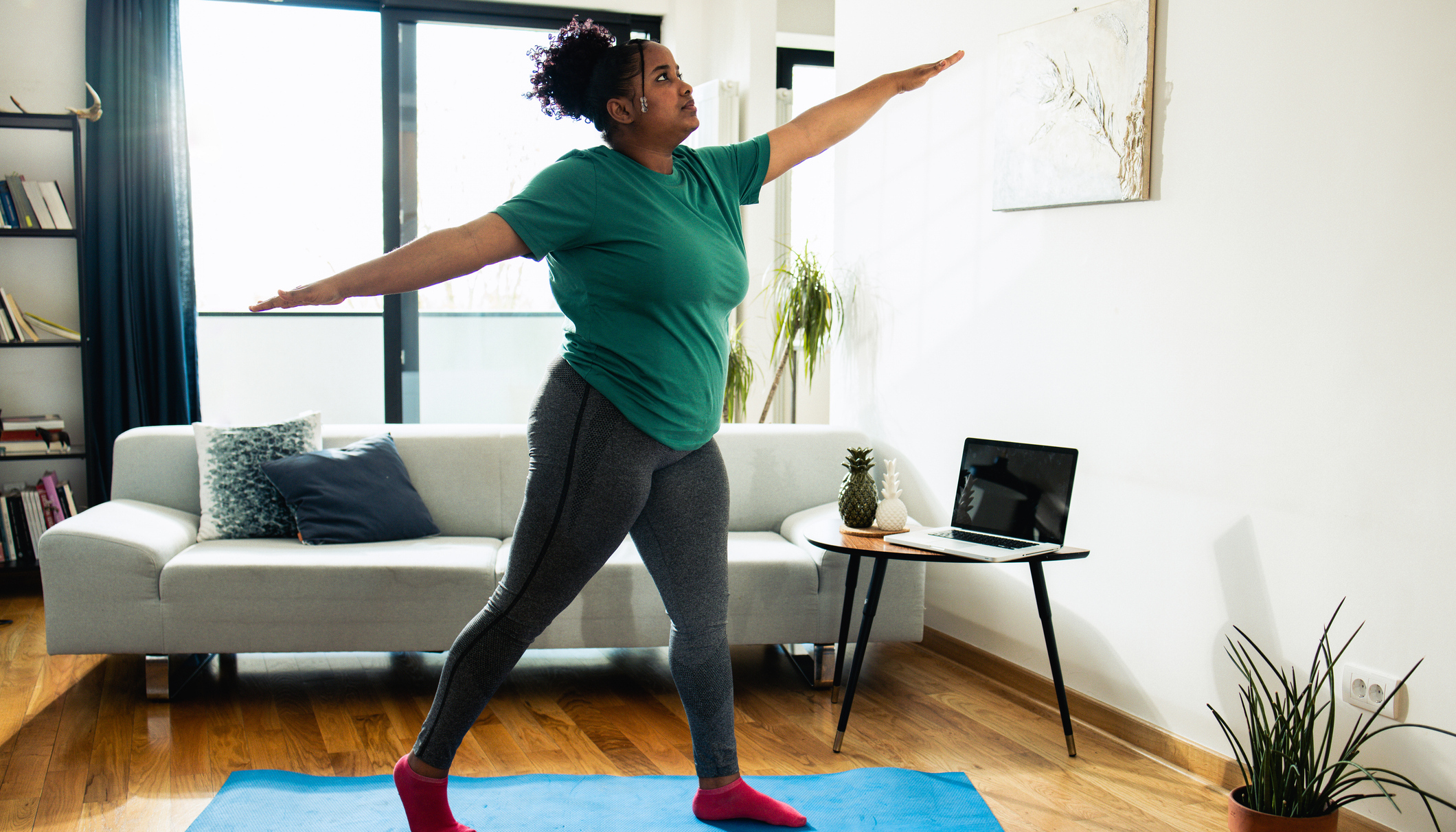
Cardio supports heart health and fat loss. The CDC recommends at least 150 minutes of moderate-intensity aerobic activity per week.
Beginner-friendly options include:
• Marching or jogging in place
• Jumping jacks
• High knees (low impact version available)
• Step-ups on stairs
• Shadow boxing
Beginners can add 10–15 minutes after strength training or perform cardio on alternate days.
The Role of Nutrition and Recovery
Exercise alone does not determine results. Nutrition and recovery are equally important.
The Academy of Nutrition and Dietetics highlights that balanced meals with adequate protein support muscle repair and energy levels. Beginners should focus on:
• Lean proteins (lentils, eggs, beans, yogurt)
• Whole grains
• Fruits and vegetables
• Adequate hydration
Sleep is also critical. Most adults require 7–9 hours nightly for optimal muscle recovery and hormonal balance.
Common Beginner Mistakes
Avoid these frequent errors:
Skipping Warm-Up
Cold muscles are more prone to strain.
Overtraining
Daily intense workouts can lead to fatigue and reduced motivation.
Poor Form
Improper squat or plank alignment increases injury risk.
Ignoring Recovery
Muscles grow during rest, not during exercise.
Unrealistic Expectations
Visible results often take 4–8 weeks of consistent training.
How Long Before Results Appear?
Beginners typically experience:
• Week 1–2: Improved energy and mood
• Week 3–4: Increased strength and endurance
• Week 6–8: Visible muscle tone changes
• Week 12+: Noticeable body composition improvements
Consistency matters more than intensity. Small improvements compound over time.
Safety Tips for Home Workouts
• Train on stable, non-slip surfaces
• Maintain neutral spine alignment
• Stop if sharp pain occurs
• Stay hydrated
• Consult a healthcare professional if managing medical conditions
The Cleveland Clinic advises beginners with chronic health conditions to seek medical clearance before starting new exercise programs.
Frequently Asked Questions
How many days per week should beginners train?
Three to four days weekly is ideal for beginners. This allows muscle recovery while building consistency.
Can weight loss happen with only bodyweight workouts?
Yes. Combined with a calorie-conscious diet and moderate cardio, bodyweight workouts support fat loss by increasing muscle mass and metabolic rate.
Is soreness normal?
Mild muscle soreness 24–48 hours after workouts is normal, especially in the first few weeks. Severe pain is not.
Do beginners need to train abs separately?
Core muscles are activated during squats, lunges, and planks. Dedicated core work can be added once foundational strength improves.
What if there is limited space?
Most exercises require only enough room to lie down and extend arms. Small apartments are sufficient.
When should equipment be added?
Once standard push-ups and squats feel easy for 12–15 repetitions, resistance bands or light dumbbells can enhance progression.
Mental Benefits of Home Training
Exercise influences more than physical health. Research from multiple health institutions shows that moderate physical activity reduces anxiety, improves sleep quality, and enhances cognitive performance.
Beginners often notice increased daily productivity and mood stability within weeks of consistent exercise. The structured nature of a routine creates discipline that often extends into other life areas.
Creating a Sustainable Habit
Success does not depend on extreme workouts. It depends on sustainability.
Effective habit strategies include:
• Scheduling workouts at the same time daily
• Preparing workout space in advance
• Tracking repetitions weekly
• Setting small measurable goals
Progress tracking reinforces motivation and accountability.
Final Thoughts: Building Strength Without Barriers
Starting a home workout routine without equipment removes financial, logistical, and psychological barriers to fitness. Beginners do not need machines, supplements, or advanced programs to see results. What they need is structure, patience, and consistency.
A simple 30-minute full-body routine performed three to four times weekly can significantly improve strength, cardiovascular health, mobility, and mental clarity. Progression methods such as increasing repetitions, advancing exercise difficulty, and reducing rest time ensure continued improvement.
Health authorities consistently emphasize that regular physical activity is one of the most powerful tools for disease prevention and longevity. A bodyweight workout routine is not a temporary fix; it is a foundation for lifelong health.
Commit to a structured plan, prioritize recovery, and focus on proper form. Over time, small daily efforts transform into measurable physical and mental strength. Fitness does not require equipment. It requires commitment, consistency, and intelligent progression.
The journey begins with one workout, performed with focus and intention.
