
Reducing visceral fat naturally at home isn’t just about fitting into your favorite jeans—it’s about protecting your health from silent threats like heart disease, diabetes, and inflammation. Unlike the pinchable fat under your skin, visceral fat wraps around your organs, releasing harmful chemicals that disrupt metabolism and increase disease risk. The good news? You don’t need expensive gym memberships or extreme diets to shrink it. With science-backed strategies and simple lifestyle tweaks, you can target this stubborn fat from the comfort of your home. This guide reveals the most effective, natural methods to melt visceral fat while boosting energy, improving digestion, and enhancing overall well-being.
What Is Visceral Fat and Why It’s Dangerous
Visceral fat is the deep abdominal fat that surrounds your liver, pancreas, and intestines—unlike subcutaneous fat, which sits just beneath the skin. In small amounts, it provides cushioning for organs, but excess visceral fat acts like an endocrine organ, pumping out inflammatory cytokines and hormones that disrupt insulin sensitivity and increase blood pressure. Studies from the National Institutes of Health link high visceral fat levels to metabolic syndrome, a cluster of conditions that raise the risk of stroke and type 2 diabetes. The tricky part? You can’t always see it. Even people with a “normal” BMI may harbor dangerous amounts of visceral fat, making it a silent health hazard.
Measuring visceral fat accurately requires medical imaging like CT scans, but a simple waist circumference test can serve as a reliable proxy. For men, a waist size over 40 inches (102 cm) and for women, over 35 inches (88 cm) signals excess visceral fat. The good news is that visceral fat is metabolically active and responds well to lifestyle changes—far more so than stubborn subcutaneous fat. This makes it one of the most “fixable” health risks when addressed early.
How Visceral Fat Differs From Subcutaneous Fat
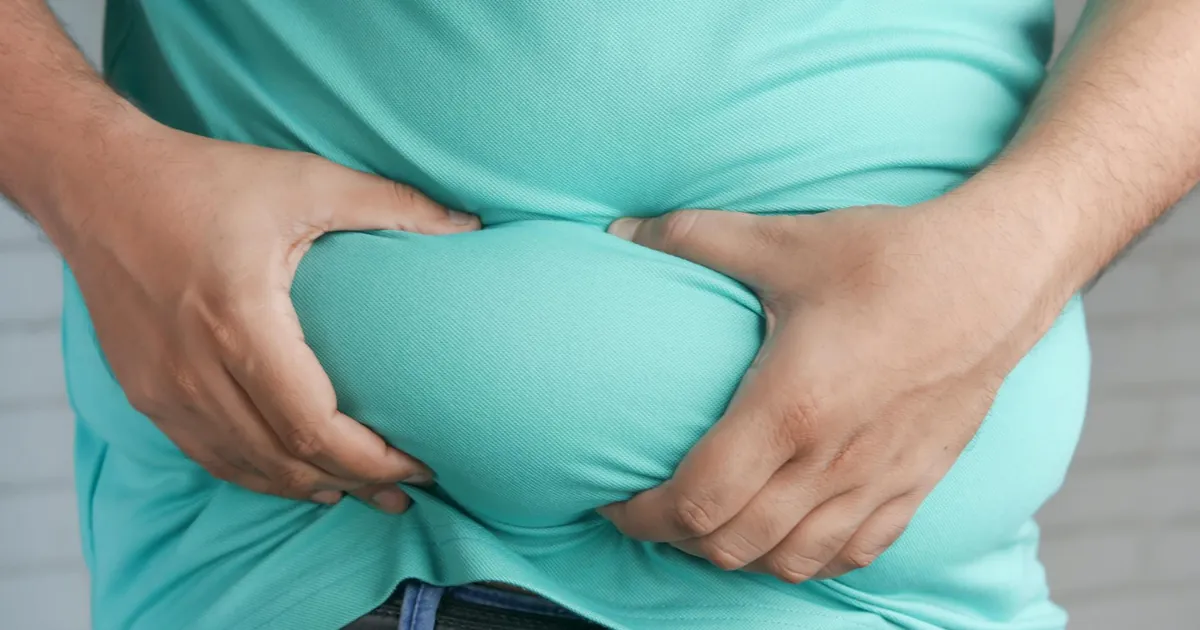
Subcutaneous fat is the soft layer you can pinch on your arms, thighs, or belly. It’s relatively harmless and even plays a role in hormone regulation and insulation. Visceral fat, on the other hand, is far more insidious. It’s stored within the abdominal cavity, crowding organs and releasing free fatty acids into the bloodstream. These acids travel to the liver, where they’re converted into LDL (“bad”) cholesterol, contributing to plaque buildup in arteries. Unlike subcutaneous fat, visceral fat is also linked to higher cortisol levels, which can trigger stress-eating cycles and further fat storage.
Health Risks of Ignoring Visceral Fat
Leaving visceral fat unchecked isn’t just a cosmetic concern—it’s a ticking time bomb for chronic diseases. Research from the American Heart Association shows that visceral fat is a stronger predictor of heart disease than overall obesity. It also increases insulin resistance, setting the stage for prediabetes and type 2 diabetes. Beyond metabolic issues, visceral fat is linked to higher risks of certain cancers, including breast and colorectal cancer, due to its inflammatory effects. The silver lining? Even modest reductions in visceral fat can lead to significant health improvements, such as lower blood pressure and better blood sugar control.
Diet Changes That Target Visceral Fat Fast
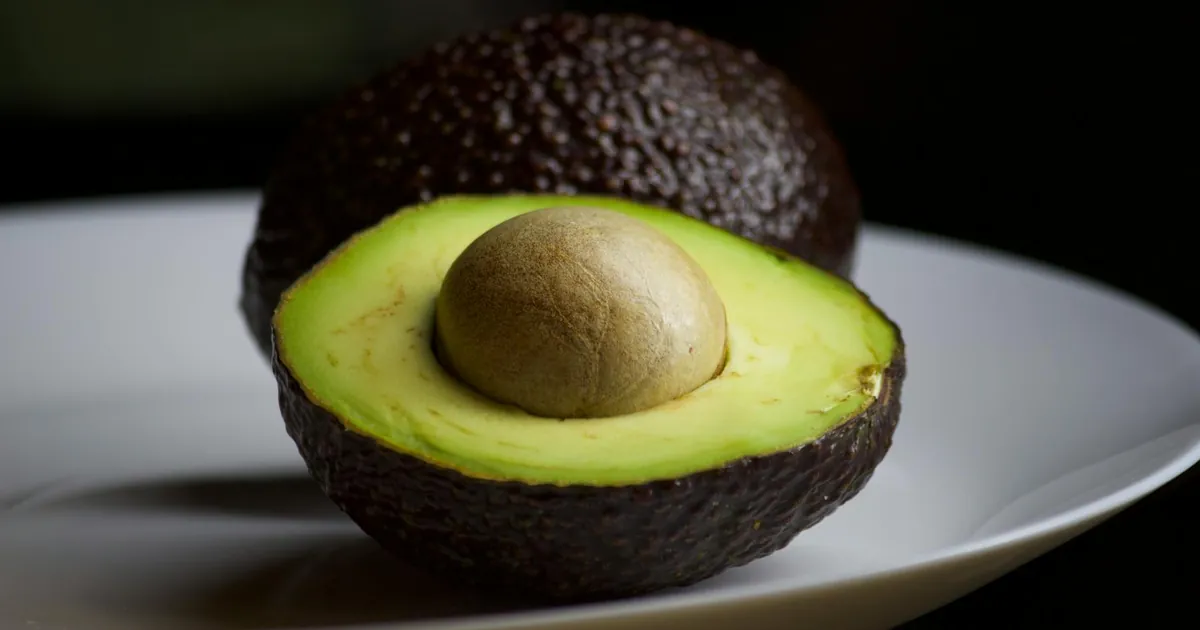
Your diet is the most powerful tool for reducing visceral fat, and small, sustainable changes can yield dramatic results. The key is focusing on foods that stabilize blood sugar, reduce inflammation, and promote fat burning. Start by cutting out refined carbohydrates and sugars, which spike insulin—a hormone that signals your body to store fat, especially around the abdomen. Instead, prioritize whole, fiber-rich foods like vegetables, legumes, and whole grains, which slow digestion and keep you full longer. Protein is another critical nutrient; it boosts metabolism, preserves muscle mass, and reduces cravings. Aim for lean sources like chicken, fish, tofu, and eggs, and pair them with healthy fats like avocados, nuts, and olive oil to enhance satiety.
One of the most effective dietary strategies for visceral fat loss is intermittent fasting. By extending the time between meals, you allow your body to tap into fat stores for energy. A popular approach is the 16:8 method, where you fast for 16 hours (including sleep) and eat within an 8-hour window. This method has been shown to reduce visceral fat by up to 14% in some studies, according to research published in Obesity Reviews. Additionally, staying hydrated is crucial—sometimes thirst is mistaken for hunger, leading to unnecessary snacking. Drinking water before meals can also reduce calorie intake by creating a sense of fullness.
Foods to Eat for Visceral Fat Loss
Not all calories are created equal when it comes to visceral fat. Some foods actively help shrink it, while others promote its growth. Here’s a list of the most effective foods to include in your diet:
- Leafy greens: Spinach, kale, and Swiss chard are packed with fiber and antioxidants that reduce inflammation and support fat metabolism.
- Fatty fish: Salmon, mackerel, and sardines are rich in omega-3 fatty acids, which lower visceral fat by improving insulin sensitivity.
- Berries: Blueberries, strawberries, and raspberries are low in sugar but high in polyphenols, which help regulate blood sugar and reduce fat storage.
- Nuts and seeds: Almonds, walnuts, chia seeds, and flaxseeds provide healthy fats and fiber that curb cravings and promote fat burning.
- Green tea: Contains catechins, compounds that enhance fat oxidation and boost metabolism. Drinking 2–3 cups daily can aid visceral fat loss.
Foods to Avoid Like the Plague
Just as some foods help shrink visceral fat, others actively contribute to its growth. Here’s what to eliminate or minimize:
- Sugary drinks: Soda, fruit juices, and energy drinks are loaded with fructose, which is metabolized by the liver and converted into fat.
- Processed snacks: Chips, crackers, and pastries contain trans fats and refined carbs that spike insulin and promote fat storage.
- White bread and pasta: These refined grains break down quickly into sugar, leading to blood sugar crashes and increased hunger.
- Alcohol: Excessive drinking, especially beer and cocktails, contributes to “beer belly” fat by slowing fat metabolism and increasing calorie intake.
- Fried foods: High in unhealthy fats and calories, fried foods trigger inflammation and fat storage around the abdomen.
Exercise Routines That Melt Visceral Fat
While diet is the foundation of visceral fat loss, exercise accelerates the process by boosting metabolism, improving insulin sensitivity, and building muscle. The best workouts for targeting visceral fat combine cardiovascular exercise with strength training. High-intensity interval training (HIIT) is particularly effective because it burns calories long after the workout ends—a phenomenon known as the “afterburn effect.” A study from the Journal of Obesity found that HIIT reduced visceral fat by up to 17% in just 12 weeks. Even if you’re new to exercise, you can start with short bursts of activity, like 30 seconds of jumping jacks followed by 30 seconds of rest, repeated for 10–15 minutes.
Strength training is equally important because muscle tissue burns more calories at rest than fat tissue. Focus on compound movements like squats, lunges, push-ups, and deadlifts, which engage multiple muscle groups and maximize calorie burn. Aim for at least two strength training sessions per week, and don’t underestimate the power of daily movement. Simple habits like taking the stairs, walking after meals, or doing household chores can add up to significant calorie expenditure over time. Consistency is key—even 30 minutes of moderate activity daily can make a noticeable difference in visceral fat levels.
Best HIIT Workouts for Home
You don’t need a gym or fancy equipment to do HIIT at home. Here are three effective routines you can do in 20 minutes or less:
- Beginner HIIT:
- 30 seconds of jumping jacks
- 30 seconds of bodyweight squats
- 30 seconds of push-ups (on knees if needed)
- 30 seconds of rest
- Repeat for 10–15 minutes
- Intermediate HIIT:
- 45 seconds of burpees
- 45 seconds of mountain climbers
- 45 seconds of plank
- 30 seconds of rest
- Repeat for 15–20 minutes
- Advanced HIIT:
- 60 seconds of sprinting in place
- 60 seconds of jump squats
- 60 seconds of bicycle crunches
- 30 seconds of rest
- Repeat for 20 minutes
Strength Training Moves for Fat Loss
Strength training doesn’t have to be complicated. These five moves target major muscle groups and can be done with minimal equipment:
- Squats: Stand with feet shoulder-width apart, lower your hips as if sitting in a chair, then stand back up. Do 3 sets of 12–15 reps.
- Lunges: Step forward with one leg, lower your hips until both knees are bent at 90 degrees, then push back up. Do 3 sets of 10 reps per leg.
- Push-ups: Keep your body in a straight line from head to heels, lower your chest to the floor, then push back up. Modify by doing them on your knees if needed. Do 3 sets of 8–12 reps.
- Deadlifts (with dumbbells or household items): Hinge at your hips, keeping your back straight, and lower the weights toward the floor, then stand back up. Do 3 sets of 10 reps.
- Plank: Hold a push-up position on your forearms, keeping your body straight. Aim for 30–60 seconds, 3 sets.
Sleep and Stress: The Hidden Factors in Visceral Fat
If you’re eating well and exercising but still struggling to lose visceral fat, sleep and stress could be the missing pieces of the puzzle. Poor sleep disrupts hormones like ghrelin and leptin, which regulate hunger and satiety. When you’re sleep-deprived, ghrelin (the “hunger hormone”) spikes, while leptin (the “fullness hormone”) plummets, leading to overeating and cravings for high-calorie foods. A study from the University of Chicago found that people who slept only 4 hours a night had higher levels of visceral fat compared to those who slept 8 hours. Aim for 7–9 hours of quality sleep per night, and establish a consistent bedtime routine to improve sleep quality.
Chronic stress is another major contributor to visceral fat. When you’re stressed, your body releases cortisol, a hormone that signals fat storage, particularly around the abdomen. Over time, high cortisol levels can lead to insulin resistance, making it harder to lose fat. To combat stress, incorporate relaxation techniques like deep breathing, meditation, or yoga into your daily routine. Even 10 minutes of mindfulness practice can lower cortisol levels and reduce visceral fat. Additionally, prioritize activities that bring you joy, whether it’s reading, gardening, or spending time with loved ones. Reducing stress isn’t just good for your waistline—it’s essential for your overall health.
How to Improve Sleep for Fat Loss
Quality sleep is non-negotiable for visceral fat loss. Here’s how to optimize your sleep environment and habits:
- Stick to a schedule: Go to bed and wake up at the same time every day, even on weekends, to regulate your body’s internal clock.
- Create a bedtime routine: Wind down with calming activities like reading, stretching, or listening to soft music. Avoid screens (phones, TVs, computers) at least an hour before bed, as blue light disrupts melatonin production.
- Optimize your sleep environment: Keep your bedroom cool (around 65°F or 18°C), dark, and quiet. Consider blackout curtains, earplugs, or a white noise machine if needed.
- Limit caffeine and alcohol: Avoid caffeine after 2 PM, as it can interfere with sleep. While alcohol may help you fall asleep, it disrupts sleep quality and reduces REM sleep.
- Get sunlight during the day: Exposure to natural light helps regulate your circadian rhythm, making it easier to fall asleep at night.
Stress-Reduction Techniques That Work
Managing stress is just as important as diet and exercise for visceral fat loss. Try these techniques to lower cortisol levels:
- Deep breathing: Practice diaphragmatic breathing (belly breathing) for 5–10 minutes daily. Inhale deeply through your nose, hold for 4 seconds, then exhale slowly through your mouth.
- Meditation: Apps like Headspace or Calm offer guided meditations that can help reduce stress. Start with just 5 minutes a day and gradually increase.
- Yoga: Gentle yoga poses like Child’s Pose, Cat-Cow, and Legs-Up-the-Wall can calm your nervous system and lower cortisol. Even 10 minutes a day can make a difference.
- Journaling: Writing down your thoughts and feelings can help process emotions and reduce stress. Try gratitude journaling by listing three things you’re thankful for each day.
- Nature walks: Spending time in nature has been shown to lower cortisol levels. Aim for a 20–30 minute walk in a park or green space daily.
Natural Supplements That Support Fat Loss
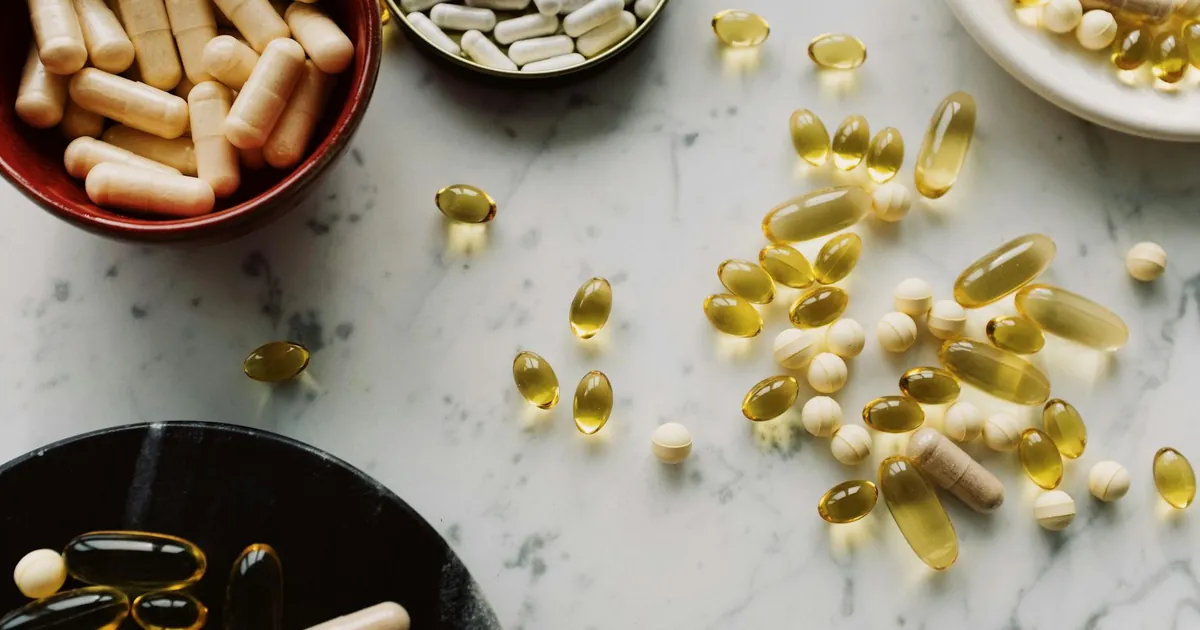
While no supplement can replace a healthy diet and exercise, certain natural compounds can support visceral fat loss by boosting metabolism, reducing inflammation, or improving insulin sensitivity. One of the most well-researched supplements is green tea extract, which contains catechins that enhance fat oxidation. A study in the Journal of Nutritional Biochemistry found that green tea extract reduced visceral fat by 7.7% in 12 weeks. Another powerful supplement is probiotics, which improve gut health and reduce inflammation. A healthy gut microbiome is linked to lower visceral fat levels, as certain bacteria help regulate fat storage and metabolism.
Other supplements worth considering include omega-3 fatty acids, which reduce inflammation and improve insulin sensitivity, and berberine, a compound found in plants like goldenseal that mimics the effects of insulin-sensitizing drugs. However, it’s important to approach supplements with caution. Always consult a healthcare provider before starting any new supplement, especially if you have underlying health conditions or are taking medications. Additionally, focus on getting nutrients from whole foods first—supplements should complement, not replace, a balanced diet.
Top 5 Supplements for Visceral Fat Loss
Here are the most effective supplements for targeting visceral fat, backed by science:
- Green tea extract: Contains EGCG, a catechin that boosts fat burning and reduces visceral fat. Take 250–500 mg daily.
- Probiotics: Improve gut health and reduce inflammation. Look for strains like Lactobacillus gasseri and Bifidobacterium lactis. Take 10–20 billion CFU daily.
- Omega-3 fatty acids: Found in fish oil, these reduce inflammation and improve insulin sensitivity. Take 1,000–2,000 mg of EPA/DHA daily.
- Berberine: Mimics the effects of insulin-sensitizing drugs. Take 500 mg 2–3 times daily before meals.
- Apple cider vinegar: Helps regulate blood sugar and reduce fat storage. Mix 1–2 tablespoons in water and drink before meals.
How to Choose Safe and Effective Supplements
Not all supplements are created equal, and some may even be harmful. Here’s how to choose safe and effective options:
- Look for third-party testing: Choose supplements certified by organizations like NSF, USP, or Informed-Choice, which verify purity and potency.
- Check the label: Avoid supplements with fillers, artificial colors, or unnecessary additives. Look for minimal, high-quality ingredients.
- Research the brand: Stick with reputable companies that have a track record of transparency and quality. Read reviews and check for recalls or warnings.
- Consult a healthcare provider: Before starting any supplement, talk to your doctor, especially if you have health conditions or take medications.
- Start with low doses: Begin with the lowest effective dose and monitor your body’s response. Gradually increase if needed.
Key Takeaways for Reducing Visceral Fat Naturally
- Visceral fat is dangerous because it surrounds organs and releases inflammatory chemicals, increasing the risk of heart disease, diabetes, and cancer.
- Diet is the most powerful tool for visceral fat loss—focus on whole foods, fiber, protein, and healthy fats while avoiding sugar, refined carbs, and processed foods.
- Exercise, especially HIIT and strength training, accelerates visceral fat loss by boosting metabolism and improving insulin sensitivity.
- Poor sleep and chronic stress contribute to visceral fat storage by disrupting hormones like cortisol and ghrelin.
- Natural supplements like green tea extract, probiotics, and omega-3s can support fat loss but should complement, not replace, a healthy lifestyle.
- Consistency is key—small, sustainable changes in diet, exercise, sleep, and stress management lead to long-term results.
- For more insights on related health topics, check out this guide on detecting early signs of metabolic syndrome or this article on losing belly fat naturally at home.
Expert Insights on Visceral Fat Loss
“Visceral fat is not just a cosmetic issue—it’s a metabolic time bomb. The good news is that it’s highly responsive to lifestyle changes. Even a 5–10% reduction in visceral fat can significantly lower the risk of chronic diseases. The key is consistency. Many people see results within weeks of adopting a whole-food diet, regular exercise, and stress management. However, the real challenge is maintaining these habits long-term. That’s why it’s important to focus on small, sustainable changes rather than extreme measures that are hard to stick with.”
— Dr. Sarah Hallberg, Medical Director at Virta Health and obesity specialist
Frequently Asked Questions
How long does it take to reduce visceral fat naturally?
Results vary depending on your starting point, diet, exercise routine, and consistency. Most people begin to see measurable reductions in visceral fat within 4–12 weeks of adopting healthy habits. A study published in the Journal of Applied Physiology found that participants who combined diet and exercise lost up to 17% of their visceral fat in 12 weeks. However, even small changes, like walking 30 minutes daily or cutting out sugary drinks, can lead to noticeable improvements in as little as 2–4 weeks.
Can you spot-reduce visceral fat with specific exercises?
No, spot reduction is a myth. You can’t target visceral fat with specific exercises alone. However, certain workouts, like HIIT and strength training, are more effective at reducing overall body fat, including visceral fat. These exercises boost metabolism and improve insulin sensitivity, which helps your body burn fat more efficiently. Combine them with a healthy diet and stress management for the best results.
Is visceral fat harder to lose than subcutaneous fat?
Visceral fat is actually easier to lose than subcutaneous fat because it’s metabolically active and responds quickly to lifestyle changes. Unlike subcutaneous fat, which can be stubborn and resistant to diet and exercise, visceral fat is more sensitive to improvements in diet, exercise, sleep, and stress levels. This is why even modest weight loss can lead to significant reductions in visceral fat and improvements in health markers like blood pressure and blood sugar.
What are the signs that visceral fat is decreasing?
While you can’t see visceral fat directly, there are several signs that it’s decreasing:
- A smaller waist circumference (measure at the narrowest part of your torso).
- Improved energy levels and reduced bloating.
- Better blood sugar control and fewer cravings for sugary foods.
- Lower blood pressure and improved cholesterol levels.
- Clothes fitting more loosely around the midsection.
For a more accurate assessment, consider getting a DEXA scan or waist-to-hip ratio measurement from a healthcare provider.
Can stress alone cause visceral fat gain?
Yes, chronic stress is a major contributor to visceral fat gain. When you’re stressed, your body releases cortisol, a hormone that signals fat storage, particularly around the abdomen. High cortisol levels also increase cravings for high-calorie, sugary foods, leading to overeating. Additionally, stress disrupts sleep, which further exacerbates fat storage. Managing stress through techniques like meditation, deep breathing, and regular exercise can help prevent visceral fat accumulation.
Are there any foods that specifically burn visceral fat?
While no single food can “burn” visceral fat, certain foods can support fat loss by boosting metabolism, reducing inflammation, and improving insulin sensitivity. These include:
- Fatty fish (salmon, mackerel) rich in omega-3s.
- Leafy greens (spinach, kale) high in fiber and antioxidants.
- Berries (blueberries, strawberries) low in sugar but high in polyphenols.
- Nuts and seeds (almonds, chia seeds) packed with healthy fats and protein.
- Green tea, which contains catechins that enhance fat oxidation.
Incorporating these foods into a balanced diet can help shrink visceral fat over time.
How does alcohol affect visceral fat?
Alcohol contributes to visceral fat gain in several ways. First, it’s high in empty calories, which can lead to weight gain if consumed in excess. Second, alcohol is metabolized by the liver, which prioritizes breaking it down over burning fat. This slows fat metabolism and promotes fat storage, especially around the abdomen. Third, alcohol disrupts sleep, which can increase cortisol levels and further contribute to visceral fat accumulation. To minimize its impact, limit alcohol to occasional drinks and opt for lower-calorie options like dry wine or spirits mixed with soda water.
Reducing visceral fat naturally at home is entirely possible with the right combination of diet, exercise, sleep, and stress management. The key is to focus on sustainable habits rather than quick fixes. Start with small changes, like swapping sugary drinks for water, adding a 10-minute walk to your daily routine, or practicing deep breathing before bed. Over time, these habits will compound, leading to significant improvements in your health and waistline. Remember, visceral fat loss isn’t just about looking better—it’s about feeling better and protecting your body from serious diseases. Take the first step today, and your future self will thank you.

