
Rewiring your brain for positive thinking and discipline isn’t just wishful thinking—it’s a scientifically backed process that transforms how you perceive challenges, build habits, and ultimately shape your life. Neuroplasticity, the brain’s remarkable ability to reorganize itself, means you can literally reshape your neural pathways to favor optimism, resilience, and self-control. The catch? It requires consistent effort, the right strategies, and a deep understanding of how your mind works. Whether you’re struggling with self-doubt, procrastination, or negative thought loops, this guide will walk you through practical, evidence-based techniques to cultivate a disciplined, positive mindset that sticks.
What Does It Mean to Rewire Your Brain?
Rewiring your brain for positive thinking and discipline means intentionally altering your neural circuits to favor constructive thoughts, emotional regulation, and consistent action. In just 40 words: It’s the process of replacing limiting beliefs and impulsive behaviors with empowering habits through repetition, mindfulness, and targeted mental exercises—leveraging neuroplasticity to create lasting change.
Think of your brain as a dynamic network of roads. Negative thoughts and undisciplined behaviors are like well-worn highways—easy to travel because they’ve been reinforced over time. Rewiring is about building new, healthier routes while gradually closing off the old ones. This isn’t about forcing yourself to “think happy thoughts” all the time; it’s about training your brain to default to solutions, gratitude, and delayed gratification when faced with challenges.
Research from Harvard Medical School shows that consistent mental training can physically alter brain structure in as little as eight weeks. For example, mindfulness meditation increases gray matter in the prefrontal cortex—the area responsible for decision-making and self-control—while shrinking the amygdala, which governs fear and stress responses. This isn’t just theoretical; it’s a tangible shift that anyone can achieve with the right approach.
Start with the Science of Neuroplasticity

Neuroplasticity is the foundation of rewiring your brain. It’s the brain’s ability to form new neural connections throughout life, adapting to experiences, learning, and even injury. This means your thoughts, behaviors, and emotions aren’t fixed—they’re malleable, like clay waiting to be shaped. The key to harnessing neuroplasticity lies in two principles: repetition and emotional intensity.
Repetition strengthens neural pathways. Every time you think a thought, make a decision, or perform an action, you’re either reinforcing an existing pathway or creating a new one. For example, if you consistently practice gratitude, your brain will start to default to appreciative thoughts more easily. Emotional intensity, on the other hand, accelerates the rewiring process. Strong emotions—whether positive or negative—create deeper neural imprints. This is why traumatic experiences can shape behavior for years, but it’s also why joyful, meaningful moments can have a lasting impact.
To leverage neuroplasticity for positive thinking and discipline, you need to combine these principles with deliberate practice. This means setting clear intentions, engaging in focused mental exercises, and maintaining consistency. It’s not enough to occasionally think positively or sporadically practice discipline; you must create a structured routine that challenges your brain to adapt.
How Long Does It Take to Rewire Your Brain?
The timeline for rewiring your brain varies depending on the complexity of the habit or thought pattern you’re trying to change. A widely cited study from University College London found that it takes an average of 66 days to form a new habit, though the range can span from 18 to 254 days. For deeper changes, like shifting from chronic negativity to optimism, the process may take several months of consistent effort.
The good news? You don’t have to wait months to see progress. Small, incremental changes can yield noticeable results in as little as two to three weeks. For instance, if you start a daily gratitude practice, you might begin to notice a subtle shift in your mood and outlook within a few weeks. The key is to focus on progress, not perfection. Celebrate small wins, and trust that each step forward is strengthening the new neural pathways you’re building.
Tools to Measure Your Progress

Tracking your progress is essential for staying motivated and making adjustments along the way. Here are a few tools and methods to help you measure your brain’s rewiring journey:
- Journaling: Keep a daily log of your thoughts, emotions, and behaviors. Note patterns, triggers, and improvements over time. Apps like Day One or even a simple notebook can work.
- Mood Tracking: Use apps like Moodnotes or Daylio to track your emotional state. Over time, you’ll see trends and identify what influences your positivity and discipline.
- Behavioral Experiments: Set small, measurable goals (e.g., “I’ll meditate for 5 minutes daily”) and track your consistency. Tools like Habitica or Streaks can gamify the process.
- Neurofeedback: For a more advanced approach, consider neurofeedback therapy, which uses real-time brain activity data to help you train your brain. While not accessible to everyone, it’s a powerful option for those serious about deep rewiring.
Master the Art of Mindfulness and Self-Awareness
Mindfulness is the cornerstone of rewiring your brain for positivity and discipline. It’s the practice of being fully present in the moment, observing your thoughts and emotions without judgment. Why does this matter? Because self-awareness is the first step to change. If you’re not aware of your negative thought patterns or impulsive behaviors, you can’t address them. Mindfulness acts as a mental mirror, reflecting your inner world so you can consciously reshape it.
Start with a simple mindfulness exercise: the 5-4-3-2-1 technique. When you feel overwhelmed or stuck in a negative loop, pause and name 5 things you can see, 4 things you can touch, 3 things you can hear, 2 things you can smell, and 1 thing you can taste. This grounds you in the present moment and interrupts autopilot thinking. Over time, this practice trains your brain to recognize when you’re spiraling into negativity or distraction, giving you the power to pivot.
Another powerful mindfulness tool is the “thought labeling” technique. When a negative thought arises, label it as “judging,” “worrying,” or “planning” instead of engaging with it. This creates distance between you and the thought, reducing its emotional charge. Research from the University of California, Berkeley, shows that labeling emotions can reduce their intensity by up to 50%. This is rewiring in action—you’re teaching your brain to observe rather than react.
How to Build a Daily Mindfulness Routine
Consistency is key when it comes to mindfulness. Here’s how to build a routine that sticks:
- Start Small: Begin with just 2–3 minutes of mindfulness practice daily. Use an app like Headspace or Insight Timer to guide you.
- Anchor It to a Habit: Pair mindfulness with an existing habit, like brushing your teeth or drinking your morning coffee. This leverages the power of habit stacking.
- Use Triggers: Set reminders on your phone or place visual cues (e.g., a sticky note on your mirror) to prompt mindfulness breaks throughout the day.
- Reflect Daily: Spend 5 minutes each evening reflecting on your mindfulness practice. Ask yourself: What worked? What was challenging? How did I feel?
Mindfulness for Discipline
Discipline isn’t about white-knuckling your way through tasks—it’s about training your brain to prioritize long-term rewards over short-term gratification. Mindfulness helps by increasing your awareness of impulses and distractions. For example, if you’re tempted to procrastinate, mindfulness allows you to pause and ask: “Is this aligned with my goals?” This moment of reflection can be the difference between giving in to distraction and staying on track.
Try the “10-Minute Rule” for discipline. When you feel resistance to a task, commit to working on it for just 10 minutes. Often, the hardest part is starting. Once you begin, momentum takes over, and you’ll find it easier to continue. This technique rewires your brain to associate tasks with progress rather than dread, making discipline feel more natural over time.
Reframe Negative Thoughts with Cognitive Restructuring
Negative thoughts are like weeds in a garden—they’ll keep growing unless you pull them out by the roots. Cognitive restructuring is a technique from cognitive-behavioral therapy (CBT) that helps you identify, challenge, and replace unhelpful thought patterns. It’s one of the most effective ways to rewire your brain for positivity because it directly targets the neural pathways that fuel negativity.
Start by becoming aware of your automatic negative thoughts (ANTs). These are the knee-jerk reactions that pop into your head when something goes wrong, like “I’ll never get this right” or “This always happens to me.” Once you identify an ANT, challenge it with evidence. Ask yourself: “Is this thought true? What’s the evidence for and against it?” For example, if you think, “I’m terrible at my job,” counter it with, “I’ve received positive feedback from my manager and completed several successful projects.”
Next, reframe the thought into something more balanced and constructive. Instead of “I’ll never get this right,” try “This is challenging, but I’m learning and improving.” This shift might feel forced at first, but with repetition, your brain will start to default to the reframed thought. A study published in the Journal of Consulting and Clinical Psychology found that cognitive restructuring can reduce symptoms of anxiety and depression by up to 60%, proving its power to rewire the brain.
Common Cognitive Distortions to Watch For
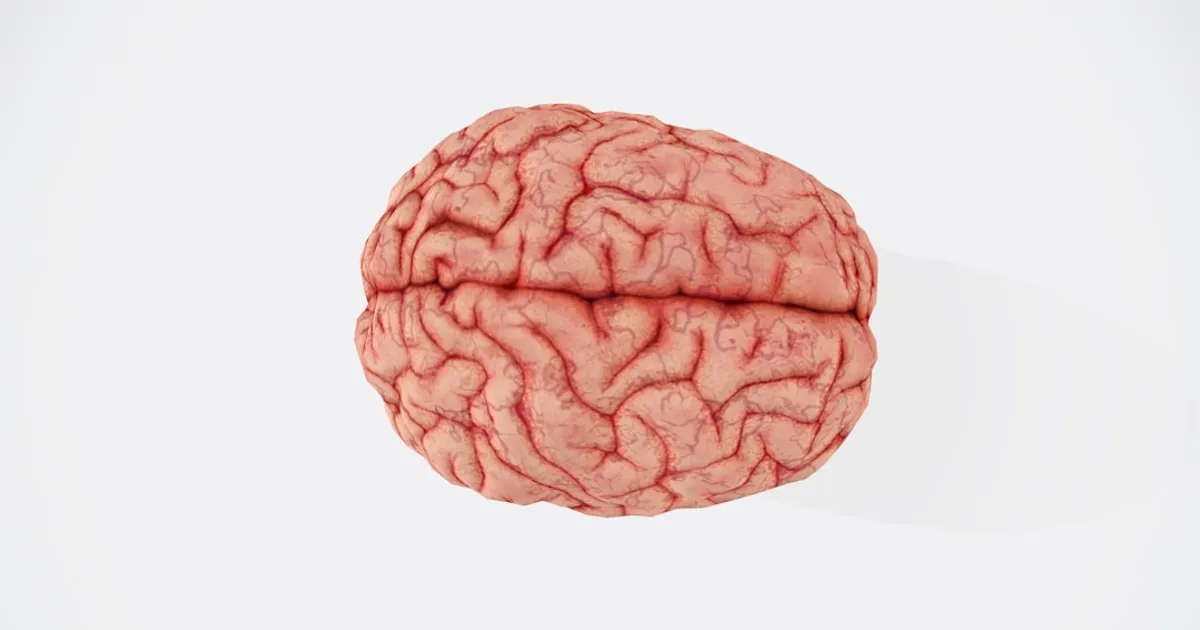
Cognitive distortions are irrational thought patterns that reinforce negativity. Here are some of the most common ones and how to reframe them:
- All-or-Nothing Thinking: Seeing things in black and white (e.g., “I failed, so I’m a failure”). Reframe: “I made a mistake, but that doesn’t define me.”
- Overgeneralization: Taking one negative event and applying it to everything (e.g., “I messed up this presentation, so I’ll never be good at public speaking”). Reframe: “This presentation didn’t go as planned, but I’ll improve with practice.”
- Catastrophizing: Expecting the worst-case scenario (e.g., “If I don’t get this promotion, my career is over”). Reframe: “I’ll handle whatever comes my way, and there are always other opportunities.”
- Personalization: Blaming yourself for things outside your control (e.g., “My team failed because of me”). Reframe: “I did my part, and there are many factors at play.”
Tools for Cognitive Restructuring
Here are some tools to help you practice cognitive restructuring daily:
- Thought Records: Use a worksheet to track negative thoughts, challenge them, and reframe them. You can find free templates online or use apps like MoodTools.
- Affirmations: Write down positive statements that counteract your negative thoughts (e.g., “I am capable and resilient”). Repeat them daily to reinforce new neural pathways.
- Gratitude Journaling: Write down three things you’re grateful for each day. This trains your brain to focus on the positive, counteracting negativity bias.
- Visualization: Spend a few minutes each day visualizing yourself succeeding and feeling positive emotions. This primes your brain for optimism and discipline.
Build Discipline Through Habit Stacking
Discipline isn’t about willpower—it’s about systems. Willpower is a finite resource that depletes throughout the day, but habits are automatic behaviors that require little to no conscious effort. Habit stacking is a powerful technique that leverages existing habits to build new ones, making it easier to rewire your brain for discipline. The formula is simple: “After [current habit], I will [new habit].”
For example, if you want to start a daily meditation practice, stack it onto an existing habit like brushing your teeth. Your new habit becomes: “After I brush my teeth in the morning, I will meditate for 5 minutes.” This works because your brain already has a neural pathway for brushing your teeth, so adding a new behavior to it is easier than starting from scratch. Over time, the new habit becomes automatic, and your brain rewires itself to prioritize discipline.
James Clear, author of Atomic Habits, explains that habits are the compound interest of self-improvement. Small, consistent actions add up to massive results over time. For instance, if you improve your discipline by just 1% each day, you’ll be 37 times better in a year. The key is to start small and focus on consistency, not intensity. This approach reduces resistance and makes it easier for your brain to adapt.
How to Design Your Habit Stacks

Follow these steps to create effective habit stacks:
- Identify Your Keystone Habits: These are habits that have a ripple effect on other areas of your life, like exercise, meditation, or planning your day. Start with one keystone habit and build around it.
- Choose Small, Specific Actions: The new habit should be so easy you can’t say no. For example, “After I pour my coffee, I will write down one thing I’m grateful for.”
- Anchor It to a Trigger: The trigger should be a habit you already do consistently, like eating breakfast or getting into bed at night.
- Track Your Progress: Use a habit tracker to monitor your consistency. Seeing a streak of successful days motivates your brain to keep going.
Habit Stacking for Positive Thinking
Habit stacking isn’t just for discipline—it’s also a powerful tool for cultivating positive thinking. Here are a few examples to get you started:
- Morning Routine: “After I wake up, I will smile and say, ‘Today is going to be a great day.’”
- Workday Boost: “After I sit down at my desk, I will take three deep breaths and think of one thing I’m excited about today.”
- Evening Reflection: “After I get into bed, I will think of one thing that went well today.”
These small actions train your brain to default to positivity, making it easier to maintain an optimistic outlook even when challenges arise.
Leverage the Power of Visualization and Mental Rehearsal

Visualization is more than just daydreaming—it’s a scientifically proven technique to rewire your brain for success. When you vividly imagine yourself achieving a goal, your brain activates the same neural networks as it would if you were actually performing the action. This primes your brain for success, making it easier to take disciplined action and maintain a positive mindset.
A study from the Journal of Neurophysiology found that mental rehearsal can improve performance almost as effectively as physical practice. For example, athletes who visualize their routines experience measurable improvements in their skills. The same principle applies to rewiring your brain for positivity and discipline. By regularly visualizing yourself overcoming challenges, staying focused, and feeling joyful, you’re training your brain to make these outcomes more likely.
To get the most out of visualization, engage all your senses. Don’t just see yourself succeeding—feel the emotions, hear the sounds, and even imagine the smells associated with your success. For example, if you’re visualizing a disciplined workday, imagine the feeling of satisfaction as you complete tasks, the sound of your keyboard clicking, and the smell of your coffee. The more vivid the visualization, the stronger the neural pathways you’ll create.
How to Practice Effective Visualization
Follow these steps to make your visualization practice more impactful:
- Set a Clear Intention: Decide what you want to visualize. Is it completing a project, staying calm under pressure, or feeling confident in a social setting?
- Find a Quiet Space: Sit or lie down in a comfortable position where you won’t be disturbed. Close your eyes and take a few deep breaths to relax.
- Engage Your Senses: Imagine the scenario in as much detail as possible. What do you see, hear, feel, and smell?
- Feel the Emotions: Focus on the positive emotions associated with your visualization, like joy, pride, or relief. The stronger the emotion, the more effective the rewiring.
- Repeat Daily: Spend 5–10 minutes each day visualizing your success. Consistency is key to rewiring your brain.
Visualization for Discipline
Visualization can also help you build discipline by reducing resistance to tasks. For example, if you dread working out, spend a few minutes visualizing yourself enjoying the workout, feeling strong, and celebrating your progress afterward. This mental rehearsal makes it easier to follow through when the time comes. Similarly, if you struggle with procrastination, visualize yourself starting a task with ease and feeling a sense of accomplishment as you complete it.
Another powerful technique is “future self” visualization. Imagine your future self—one year from now—who has already achieved the discipline and positivity you’re working toward. What does that version of you look like? How do they feel? What habits do they have? By connecting with your future self, you create a sense of urgency and motivation to take action today.
Key Takeaways
- Rewiring your brain for positivity and discipline is possible thanks to neuroplasticity—the brain’s ability to form new neural connections.
- Consistency and emotional intensity are the two key principles for effective rewiring. Small, daily actions compound over time.
- Mindfulness and self-awareness are foundational. They help you recognize negative thought patterns and impulsive behaviors so you can address them.
- Cognitive restructuring allows you to challenge and reframe negative thoughts, replacing them with balanced, constructive ones.
- Habit stacking leverages existing habits to build new ones, making discipline feel effortless over time.
- Visualization and mental rehearsal prime your brain for success by activating the same neural networks as real-life experiences.
- Progress takes time, but small wins add up. Celebrate each step forward to stay motivated and reinforce new neural pathways.
“The brain is like a muscle. When it is in use, we feel very good. Understanding is joyous.” — Carl Sagan
Neuroscientist Dr. Joe Dispenza adds, “When you change your thoughts, you change your brain. And when you change your brain, you change your life. The key is to move from thinking to doing, from knowing to being.” This underscores the importance of not just understanding the science of rewiring but actively applying it through consistent practice.
Frequently Asked Questions
How long does it take to rewire your brain for positivity?
Rewiring your brain is a gradual process, but you can start seeing subtle shifts in as little as two to three weeks with consistent practice. For deeper changes, like overcoming chronic negativity or building discipline, it may take several months. The timeline depends on factors like the complexity of the habit, your emotional investment, and how consistently you apply the techniques. Research suggests that forming a new habit takes an average of 66 days, but the brain continues to adapt and strengthen new pathways over time.
Can you rewire your brain at any age?
Yes! Neuroplasticity isn’t limited to children or young adults—it’s a lifelong process. While the brain is most plastic during early development, studies show that adults can rewire their brains at any age. For example, a study from the Journal of Neuroscience found that older adults who engaged in cognitive training showed measurable improvements in brain function. The key is to stay mentally active, challenge yourself, and practice the techniques consistently. Age is not a barrier to rewiring your brain for positivity and discipline.
What are the best exercises to rewire your brain?
The best exercises for rewiring your brain combine mindfulness, cognitive restructuring, and habit formation. Here are a few of the most effective:
- Mindfulness Meditation: Trains your brain to stay present and reduces reactivity to negative thoughts.
- Gratitude Journaling: Shifts your focus from what’s lacking to what’s abundant, rewiring your brain for positivity.
- Cognitive Restructuring: Helps you challenge and reframe negative thoughts, replacing them with balanced ones.
- Habit Stacking: Makes it easier to build new habits by anchoring them to existing ones.
- Visualization: Primes your brain for success by activating the same neural networks as real-life experiences.
Consistency is more important than intensity. Start with one or two exercises and build from there.
How does sleep affect brain rewiring?
Sleep is critical for brain rewiring because it’s when your brain consolidates memories, processes emotions, and strengthens new neural pathways. During deep sleep, your brain replays the day’s experiences, reinforcing the connections you’ve formed through practice. Poor sleep, on the other hand, impairs cognitive function, reduces emotional resilience, and makes it harder to form new habits. Aim for 7–9 hours of quality sleep per night to support your rewiring efforts. If you struggle with sleep, try establishing a bedtime routine, reducing screen time before bed, and creating a relaxing sleep environment.
Can rewiring your brain help with anxiety and depression?
Yes, rewiring your brain can significantly reduce symptoms of anxiety and depression. Techniques like cognitive restructuring, mindfulness, and gratitude journaling have been shown to improve emotional regulation and reduce negative thought patterns. For example, a study published in JAMA Psychiatry found that mindfulness-based cognitive therapy (MBCT) reduced the risk of depression relapse by 43%. While rewiring isn’t a substitute for professional treatment, it can be a powerful complement to therapy and medication. If you’re struggling with anxiety or depression, consider working with a mental health professional to create a personalized rewiring plan.
What role does diet play in brain rewiring?
Your diet directly impacts your brain’s ability to rewire itself. Certain nutrients, like omega-3 fatty acids, antioxidants, and B vitamins, support neuroplasticity and cognitive function. For example, omega-3s, found in fatty fish and flaxseeds, help build and repair brain cells, while antioxidants in berries and dark chocolate protect the brain from oxidative stress. On the other hand, processed foods, sugar, and excessive caffeine can impair brain function and make it harder to form new habits. To support your rewiring efforts, focus on a balanced diet rich in whole foods, healthy fats, and lean proteins.
How do you stay motivated during the rewiring process?
Staying motivated during the rewiring process requires a combination of self-compassion, small wins, and a clear vision of your goals. Here are a few strategies to keep you on track:
- Celebrate Small Wins: Acknowledge and celebrate each step forward, no matter how small. This reinforces new neural pathways and keeps you motivated.
- Track Your Progress: Use a journal or app to track your habits and reflect on your growth. Seeing your progress in black and white is incredibly motivating.
- Connect with Your “Why”: Remind yourself why you’re rewiring your brain. Whether it’s to feel happier, achieve a goal, or improve your relationships, keeping your “why” front and center will fuel your motivation.
- Practice Self-Compassion: Rewiring is a journey, and setbacks are part of the process. Instead of beating yourself up, treat yourself with kindness and focus on progress, not perfection.
Remember, motivation ebbs and flows. The key is to build systems that keep you moving forward even when your motivation wanes.
Rewiring your brain for positive thinking and discipline is one of the most empowering things you can do for yourself. It’s not about forcing a smile or white-knuckling your way through challenges—it’s about creating a mindset that naturally defaults to resilience, optimism, and action. Start small, stay consistent, and trust the process. Your brain is capable of incredible change, and with the right tools, you can shape it into a powerhouse of positivity and discipline. The question isn’t whether you can rewire your brain—it’s whether you’re ready to commit to the journey. So take that first step today. Your future self will thank you.

