

Meditation has evolved from an ancient contemplative practice into a globally recognized wellness strategy supported by modern science. Hospitals, universities, research centers, and mental health institutions now integrate meditation into structured health programs. Evidence from respected institutions such as the National Institutes of Health, Harvard Health Publishing, and the American Psychological Association confirms that meditation positively influences mental clarity, emotional balance, cardiovascular health, and overall resilience.
Overall wellness extends beyond the absence of disease. It encompasses emotional stability, cognitive sharpness, physical vitality, healthy sleep, immune strength, and stress resilience. Meditation addresses these dimensions simultaneously by regulating the nervous system, training attention, and fostering self-awareness. This comprehensive guide explores how meditation supports total well-being, backed by credible research and practical application.
What Is Meditation and How Does It Work?
Meditation is a structured mental training technique designed to cultivate awareness and attention control. According to the American Psychological Association, mindfulness meditation involves intentionally focusing on the present moment while maintaining a nonjudgmental attitude toward thoughts and sensations. The Mayo Clinic describes meditation as a practice that reduces stress and enhances psychological well-being through relaxation and focused attention.
Neuroscientific research shows that meditation activates the parasympathetic nervous system—the body’s “rest and digest” response—counteracting chronic stress activation. Functional brain imaging studies conducted at institutions such as Massachusetts General Hospital demonstrate that consistent meditation can alter activity in the amygdala (associated with fear and stress) and strengthen areas of the prefrontal cortex responsible for decision-making and emotional regulation.
Meditation is secular, accessible, and adaptable. It requires no special equipment and can be practiced in various forms, including breath awareness, body scanning, loving-kindness meditation, mantra repetition, and mindful movement.
Mental Health Benefits of Meditation
Stress Reduction and Cortisol Regulation
Chronic stress is linked to anxiety, digestive disorders, sleep disruption, hypertension, and weakened immunity. A widely cited review published in JAMA Network found that mindfulness meditation programs significantly reduce psychological stress. Meditation lowers cortisol levels and reduces sympathetic nervous system overactivation.
By creating a pause between stimulus and reaction, meditation enhances emotional regulation. Over time, individuals experience fewer stress spikes in response to everyday challenges. This cumulative effect improves long-term mental resilience.
Improved Focus and Cognitive Performance
Attention fragmentation is a common modern challenge due to constant digital stimulation. Research published in Frontiers in Psychology demonstrates that mindfulness meditation improves working memory and executive functioning. Training the mind to return repeatedly to a focal point—such as the breath—strengthens neural circuits related to concentration.
Students, professionals, and older adults benefit from improved mental clarity, better decision-making, and enhanced productivity. Meditation has been associated with increased gray matter density in regions involved in learning and memory.
Support for Anxiety and Mood Balance
Meditation is widely integrated into cognitive behavioral therapy and stress management programs. The National Institute of Mental Health recognizes mindfulness-based interventions as supportive tools for managing symptoms of anxiety and depression.
Rather than suppressing thoughts, meditation teaches individuals to observe them without overidentifying. This reduces rumination and emotional reactivity. Over time, practitioners develop greater emotional stability and self-regulation.
Physical Health Benefits of Meditation

Cardiovascular Health Support
The American Heart Association reports that meditation may help lower blood pressure when practiced consistently alongside healthy lifestyle habits. Stress contributes to vascular tension and heart strain. Meditation promotes relaxation, supports healthy circulation, and reduces heart rate variability associated with chronic stress.
Although meditation is not a substitute for medical care, it can be a complementary strategy in heart health management.
Better Sleep Quality
Insomnia and sleep disturbances are often linked to stress and racing thoughts. Research referenced by Sleep Foundation indicates that mindfulness practices can improve sleep onset and duration. Meditation before bedtime reduces mental chatter and prepares the nervous system for restorative rest.
Improved sleep enhances immune function, hormonal balance, cognitive performance, and mood stability.
Strengthened Immune Function
Stress weakens immune response. Studies available through PubMed show that mindfulness-based stress reduction programs may enhance antibody production and immune markers. While meditation does not replace medical prevention strategies, it supports physiological resilience by reducing inflammatory stress responses.
Meditation and Brain Health
Neuroplasticity research reveals that the brain adapts in response to consistent mental training. Studies conducted at Massachusetts General Hospital show structural changes in the hippocampus after eight weeks of mindfulness training.
Observed benefits include:
- Increased gray matter density
- Reduced amygdala activation
- Improved neural connectivity
- Enhanced emotional processing
These findings highlight meditation as a preventive brain health strategy that may support long-term cognitive vitality.
Emotional and Social Benefits
Meditation enhances empathy, patience, and interpersonal awareness. The Greater Good Science Center at the University of California, Berkeley reports that loving-kindness meditation increases positive emotional states and compassion.
Improved emotional regulation often leads to healthier communication patterns, reduced interpersonal conflict, and improved relationship satisfaction. In workplace settings, mindfulness programs have been associated with decreased burnout and improved teamwork.
Types of Meditation and Their Benefits
Comparison of Popular Meditation Styles
| Meditation Type | Core Focus | Main Benefits | Suitable For |
|---|---|---|---|
| Mindfulness | Present-moment awareness | Stress reduction, clarity, focus | Beginners |
| Loving-Kindness | Compassion and empathy | Emotional balance, relationship strength | Emotional growth |
| Body Scan | Physical sensations | Relaxation, tension release | Stress relief |
| Mantra Meditation | Repeated phrase or sound | Concentration, mental steadiness | Focus training |
| Walking Meditation | Mindful movement | Grounding, gentle activity | Active individuals |
Each technique offers distinct benefits. Combining methods often enhances overall wellness outcomes.
Meditation in Workplace and Academic Settings
Corporate wellness programs increasingly incorporate meditation training. Research in occupational psychology shows that mindfulness improves productivity, emotional intelligence, and decision-making. Employees practicing meditation report lower stress levels and higher job satisfaction.
Educational institutions also integrate mindfulness sessions to enhance student focus and emotional regulation. Short daily practices can produce measurable cognitive improvements within weeks.
Meditation for Chronic Pain Management
Mindfulness-based pain management programs teach individuals to observe physical discomfort without immediate emotional amplification. Research suggests meditation may alter how the brain processes pain signals, reducing perceived intensity.
Though not a cure for underlying medical conditions, meditation can improve quality of life and coping ability in individuals managing chronic pain.
Practical Guide to Starting Meditation
Beginning meditation requires simplicity and consistency rather than complexity.
- Select a quiet space with minimal distractions.
- Sit comfortably with an upright posture.
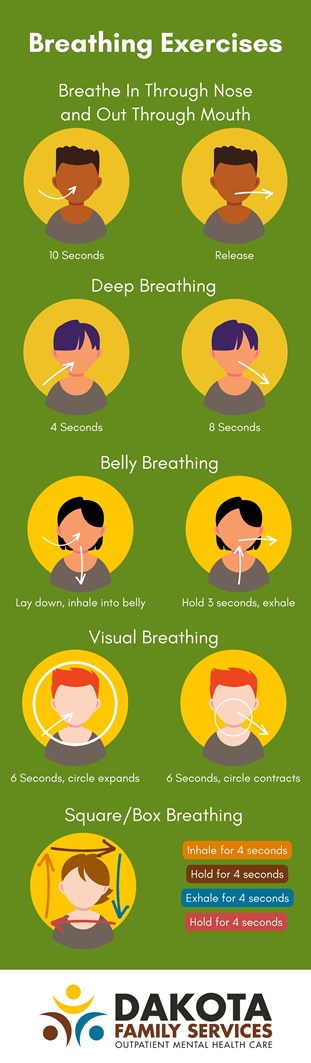
- Focus attention on natural breathing.
- When thoughts arise, gently return attention to the breath.
- Practice daily for at least 5–10 minutes.
Resources from institutions such as UCLA Mindful Awareness Research Center provide free guided sessions suitable for beginners.
Consistency builds cumulative benefits. Small daily sessions are often more effective than occasional long sessions.
Common Misconceptions About Meditation
Meditation Requires an Empty Mind
Thoughts are natural. Meditation involves observing them without attachment rather than eliminating them.
Benefits Take Years to Appear
Research indicates measurable stress reduction within eight weeks. Many individuals report improved calmness sooner.
Meditation Is Only Spiritual
Modern mindfulness-based meditation is widely used in clinical psychology, healthcare, and neuroscience research independent of religious practice.
Long-Term Wellness Outcomes
Consistent meditation contributes to:
- Reduced chronic stress burden
- Improved cardiovascular markers
- Enhanced immune response
- Better sleep patterns
- Increased emotional resilience
- Sharpened cognitive function
These cumulative effects support longevity and improved quality of life.
Frequently Asked Questions
How long should meditation sessions last?
Beginners may start with 5–10 minutes daily. Many structured programs recommend 20 minutes once or twice daily for deeper practice.
Can meditation replace therapy or medication?
Meditation complements professional treatment but does not replace medical or psychological care.
Is meditation safe for everyone?
Meditation is generally safe. Individuals with trauma history or severe mental health conditions should consult a qualified healthcare professional before beginning intensive practices.
When is the best time to meditate?
Morning sessions improve focus and emotional balance throughout the day, while evening sessions support relaxation and sleep.
Conclusion: Meditation as a Foundation for Holistic Wellness
Meditation is not a trend but a scientifically supported wellness practice with measurable physical, mental, and emotional benefits. Research from respected institutions including the National Institutes of Health, Harvard Health Publishing, American Heart Association, National Institute of Mental Health, and peer-reviewed journals consistently demonstrates its positive impact.
By regulating stress, strengthening attention, enhancing emotional intelligence, and supporting cardiovascular and immune health, meditation functions as a preventive and restorative wellness strategy. It requires no special equipment, financial investment, or complex techniques—only consistency and willingness to practice.
In a world characterized by constant stimulation and chronic stress, meditation offers a structured method for cultivating stability, clarity, and resilience. Integrating even a few minutes of daily mindfulness into routine life can produce measurable changes in overall well-being. Over time, meditation becomes not merely a practice but a sustainable foundation for balanced living.

