
Creating a home workout space can be one of the most empowering health decisions anyone makes. With remote work, busy schedules, and crowded commercial gyms, more people are designing personal training environments that fit their lifestyle. But choosing the right gym equipment for home workouts is not as simple as buying the most popular treadmill or a random set of dumbbells. It requires thoughtful planning, understanding of fitness principles, space optimization, and budget awareness.
This comprehensive guide breaks down everything needed to make confident, informed decisions—from understanding fitness goals and room dimensions to comparing cardio machines and strength tools. The goal is to help readers build a functional, sustainable, and safe home gym setup tailored to real needs rather than marketing hype.
Understanding Your Fitness Goals Before Buying Equipment
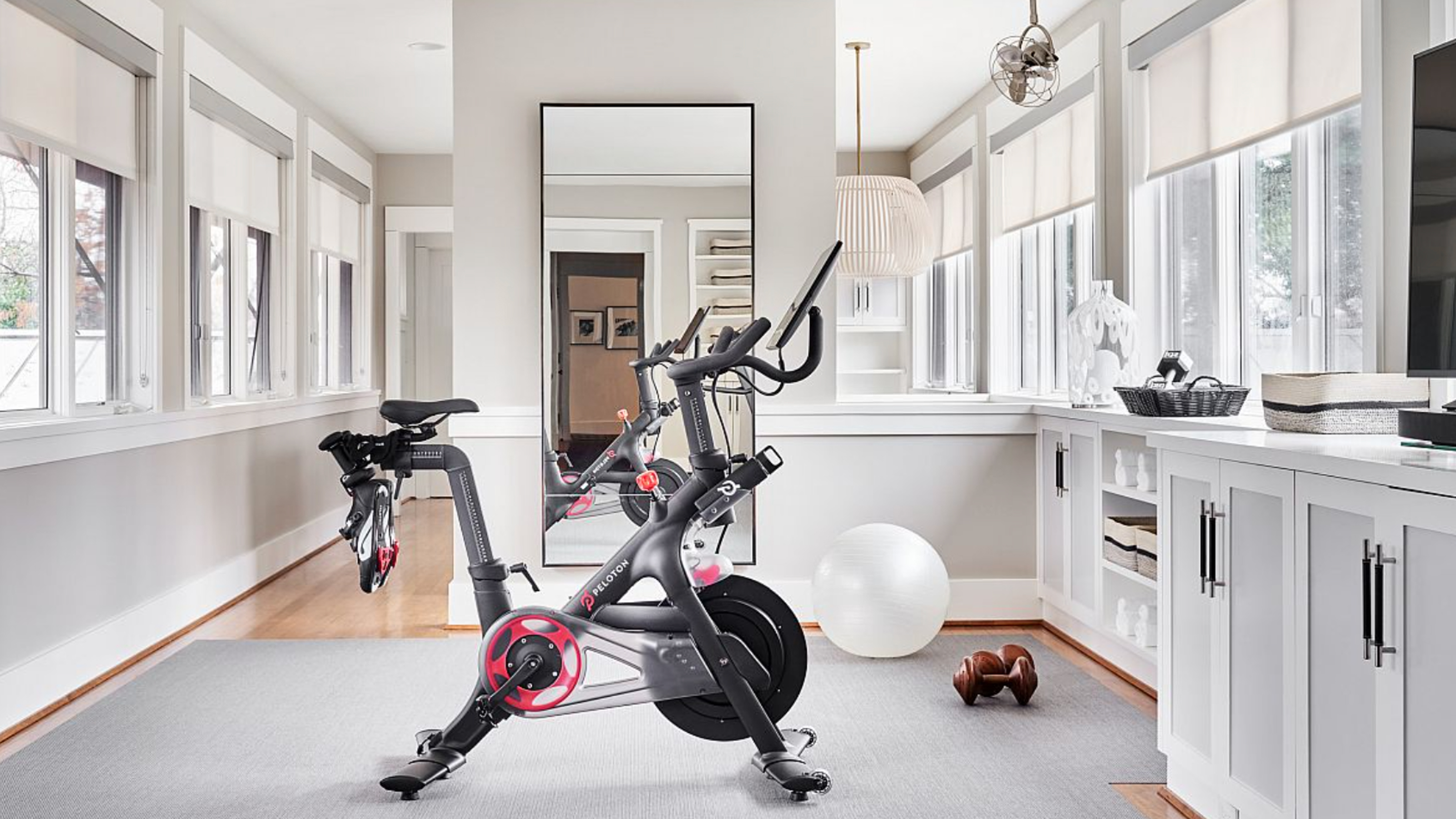
Before selecting any equipment, clarity around fitness goals is essential. The recommendations for someone focused on muscle hypertrophy differ greatly from someone training for cardiovascular endurance or weight management.
According to the World Health Organization, adults should engage in at least 150–300 minutes of moderate-intensity aerobic activity per week and muscle-strengthening activities on two or more days per week. This means most home gyms should ideally support both cardiovascular and strength training.
Common goals typically fall into categories:
- Weight loss and fat reduction: Emphasis on calorie-burning cardio equipment combined with resistance tools.
- Muscle building and strength: Progressive resistance equipment such as adjustable dumbbells, barbells, and resistance bands.
- Flexibility and mobility: Yoga mats, foam rollers, and stretching accessories.
- General health maintenance: A combination of light cardio and moderate resistance.
Choosing equipment aligned with primary objectives prevents wasted investment and unused machines.
Measuring Space and Understanding Layout Constraints

Space limitations are one of the most common barriers to effective home gym design. Equipment that fits a large garage may be impractical in a compact apartment bedroom.
The American Council on Exercise recommends ensuring adequate clearance around machines for safe movement. For example:
- Treadmills typically require at least 2 feet on each side and several feet behind for safety.
- Power racks need overhead clearance for presses and pull-ups.
- Adjustable benches require surrounding space for full range-of-motion exercises.
In smaller homes, foldable treadmills, wall-mounted racks, resistance bands, and adjustable dumbbells provide versatility without consuming excessive square footage. Vertical storage racks can significantly improve organization and safety.
Careful measurement of available space—length, width, and ceiling height—should always precede equipment purchase decisions.
Cardio Equipment: Choosing What Matches Your Lifestyle

Cardiovascular equipment remains one of the most popular home gym investments. However, each type offers different benefits and impact levels.
Treadmills
Treadmills are ideal for walking, jogging, and interval training. They simulate outdoor running but offer controlled environments. The Mayo Clinic emphasizes walking and running as effective forms of cardiovascular exercise for heart health and weight management.
Pros:
- Natural movement pattern
- Suitable for interval training
- Weather-independent
Cons:
- Large footprint
- Higher cost
- Noise in apartments
Stationary Bikes
Stationary bikes are joint-friendly and excellent for low-impact cardio. They are particularly useful for individuals with knee concerns.
Pros:
- Compact options available
- Lower joint stress
- Ideal for beginners
Cons:
- Limited upper body engagement
Ellipticals
Elliptical machines provide low-impact full-body movement and are often recommended for those needing reduced joint stress.
Rowing Machines
Rowers provide both cardio and muscular endurance training. According to Harvard Health Publishing, rowing engages major muscle groups while offering significant calorie burn.
When selecting cardio equipment, consider:
- Impact level on joints
- Noise output
- Storage capability
- Workout intensity range
Strength Training Equipment: Building Muscle Efficiently at Home

Strength training plays a critical role in metabolism, bone density, and long-term health. The Centers for Disease Control and Prevention highlights muscle-strengthening activities as essential components of adult fitness routines.
Adjustable Dumbbells
Adjustable dumbbells are among the most versatile and space-efficient tools. They allow progressive overload without requiring a full rack of weights.
Barbells and Power Racks
For serious strength development, barbells and racks allow compound movements such as squats, deadlifts, and presses. However, these require significant space and safety awareness.
Resistance Bands
Bands are cost-effective, portable, and excellent for beginners or rehabilitation settings. Research published in the National Institutes of Health database shows resistance bands can effectively improve strength when used consistently.
Weight Benches
Adjustable benches enhance exercise variety, enabling incline and decline movements.
A balanced home strength setup typically includes:
- Adjustable dumbbells or a barbell set
- A sturdy bench
- Resistance bands for accessory work
Quality, Durability, and Safety Considerations
Choosing cheaper equipment may seem cost-effective initially but often leads to early wear, instability, or safety concerns. Look for:
- Solid steel construction
- Warranty coverage
- Weight capacity exceeding personal needs
- Stable base with non-slip feet
Organizations like the Consumer Product Safety Commission regularly emphasize the importance of using fitness equipment that meets safety standards.
Safety accessories such as lifting gloves, collars for barbells, and protective flooring mats reduce injury risk and protect flooring.
Budget Planning: Smart Investment Strategies
Home gym budgets vary widely, from minimal setups under $300 to comprehensive builds exceeding several thousand dollars. Strategic planning ensures optimal value.
Budget tiers typically look like:
- Basic Setup ($200–$500): Resistance bands, adjustable dumbbells, yoga mat.
- Intermediate Setup ($500–$1,500): Cardio machine plus adjustable weights and bench.
- Advanced Setup ($1,500+): Power rack, barbell, plates, cardio machine.
Comparing equipment reviews through reputable sources like Consumer Reports helps identify durable products with long-term value.
Prioritizing foundational equipment before specialty machines prevents overspending.
Technology and Smart Fitness Equipment
Smart fitness equipment integrates apps, tracking, and interactive training. Devices may include touchscreen displays and connected training programs.
For example, the American College of Sports Medicine identifies wearable technology and connected fitness systems among top fitness trends.
Benefits include:
- Performance tracking
- Structured programming
- Motivation through metrics
However, subscription costs and reliance on internet connectivity should be considered.
Comparison Table: Choosing Equipment Based on Goals
Home Gym Equipment Comparison Guide
| Equipment Type | Best For | Space Required | Cost Range | Impact Level | Versatility |
|---|---|---|---|---|---|
| Treadmill | Running & weight loss | High | Medium–High | Medium–High | Moderate |
| Stationary Bike | Low-impact cardio | Low–Medium | Medium | Low | Moderate |
| Rowing Machine | Full-body cardio | Medium | Medium–High | Low–Medium | High |
| Adjustable Dumbbells | Strength training | Low | Medium | Low | Very High |
| Resistance Bands | Beginner strength & rehab | Very Low | Low | Low | High |
| Power Rack & Barbell | Advanced strength building | High | High | Low | Very High |
This comparison highlights how space, budget, and goals influence decisions.
Flooring, Storage, and Maintenance

Protective flooring is often overlooked but crucial. Rubber mats reduce noise, absorb shock, and protect surfaces. Proper ventilation prevents moisture buildup.
Storage solutions such as vertical racks and wall mounts maintain safety and cleanliness.
Routine maintenance includes:
- Lubricating treadmill belts
- Inspecting bolts and joints
- Cleaning sweat from equipment surfaces
Consistent upkeep extends equipment lifespan.
Frequently Asked Questions
What is the most essential piece of equipment for a beginner?
For beginners, adjustable dumbbells and resistance bands provide the most flexibility for strength training, while a simple jump rope or stationary bike covers cardiovascular needs. These tools allow full-body training without requiring excessive space.
Is cardio equipment necessary for weight loss?
Cardio supports calorie expenditure, but weight loss depends heavily on overall energy balance. Strength training increases muscle mass, which improves metabolic rate. Combining both is typically more effective than relying solely on cardio machines.
How much space is required for a functional home gym?
A functional setup can fit into an area as small as 6×6 feet if equipment is compact. Larger machines like treadmills and racks require additional clearance for safe movement.
Are expensive machines better than budget options?
Not always. Quality and durability matter more than price alone. Equipment with solid warranties, high weight capacity, and strong user reviews often provides better long-term value.
How can injury risk be minimized when working out at home?
Proper form, progressive weight increases, stable equipment placement, and sufficient warm-up routines significantly reduce injury risk. Educational resources from organizations such as the American Council on Exercise provide evidence-based technique guidance.
Final Thoughts: Building a Sustainable Home Gym That Works
Choosing the right gym equipment for home workouts is ultimately about alignment—aligning space, goals, budget, and long-term commitment. Rather than focusing on trends or flashy machines, effective home gyms prioritize versatility, safety, and progressive training capability.
A well-designed setup does not require excessive equipment. In many cases, adjustable weights, resistance bands, a stable bench, and a practical cardio option provide everything needed for comprehensive training. Careful planning ensures that every purchase serves a defined purpose and contributes to consistent physical activity.
As global health authorities consistently emphasize the importance of regular movement, investing in thoughtfully selected home gym equipment can support lifelong fitness habits. With clear goals, measured space, smart budgeting, and attention to quality, creating an efficient and motivating home workout environment becomes not only achievable but sustainable for years to come.

